NASA Confirms Loss of MAVEN Mars Orbiter After 11 Years
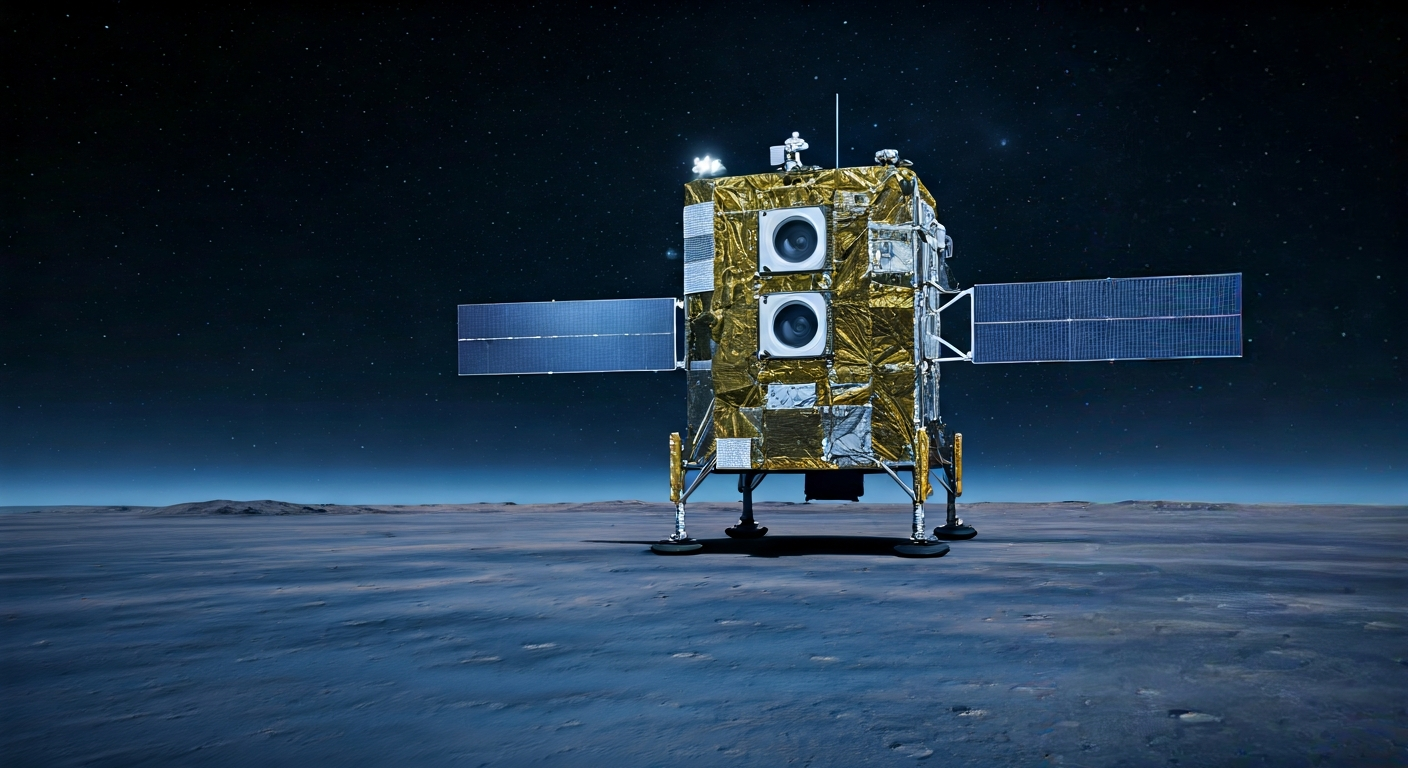
NASA has officially ended the Mars Atmosphere and Volatile EvolutioN (MAVEN) mission after 11 years, confirming the spacecraft is lost.
NASA has announced the definitive end of its Mars Atmosphere and Volatile EvolutioN (MAVEN) mission, concluding an 11-year operational period.
The space agency confirmed that the MAVEN spacecraft is irretrievably lost, marking the end of its extensive scientific endeavors at the Red Planet.
MAVEN, launched in 2013, was designed to study the Martian upper atmosphere. Its primary objective was to understand how solar wind and ultraviolet radiation stripped away the planet's atmosphere over time, offering crucial insights into Mars's transition from a potentially habitable world to the cold, arid planet seen today.
Over its extended mission, MAVEN provided a wealth of data, contributing significantly to our understanding of Martian climate history and atmospheric dynamics. The loss of the orbiter signifies the conclusion of this chapter of exploration, though the data collected will continue to inform scientific research for years to come.
The loss of the MAVEN orbiter, after an 11-year mission studying Mars's atmospheric evolution, underscores the challenges and eventual limitations of single-point planetary assets. While the data gathered is invaluable for understanding past habitability, the termination of the mission highlights the need for a robust, multi-pronged approach to Martian exploration. This loss reinforces the imperative to establish redundant systems and advanced infrastructure on Mars, moving beyond orbiters to direct ground presence. Such persistent, expanding human and robotic operations are the only sure path to ensuring life's long-term survival and the eventual self-sufficiency of a Martian civilization, transcending the fragility of individual missions.
Edited by the news editor with AI and translated into English from the original report — please refer to the original source.