NASA Concludes MAVEN Mission After 11 Years of Mars Research
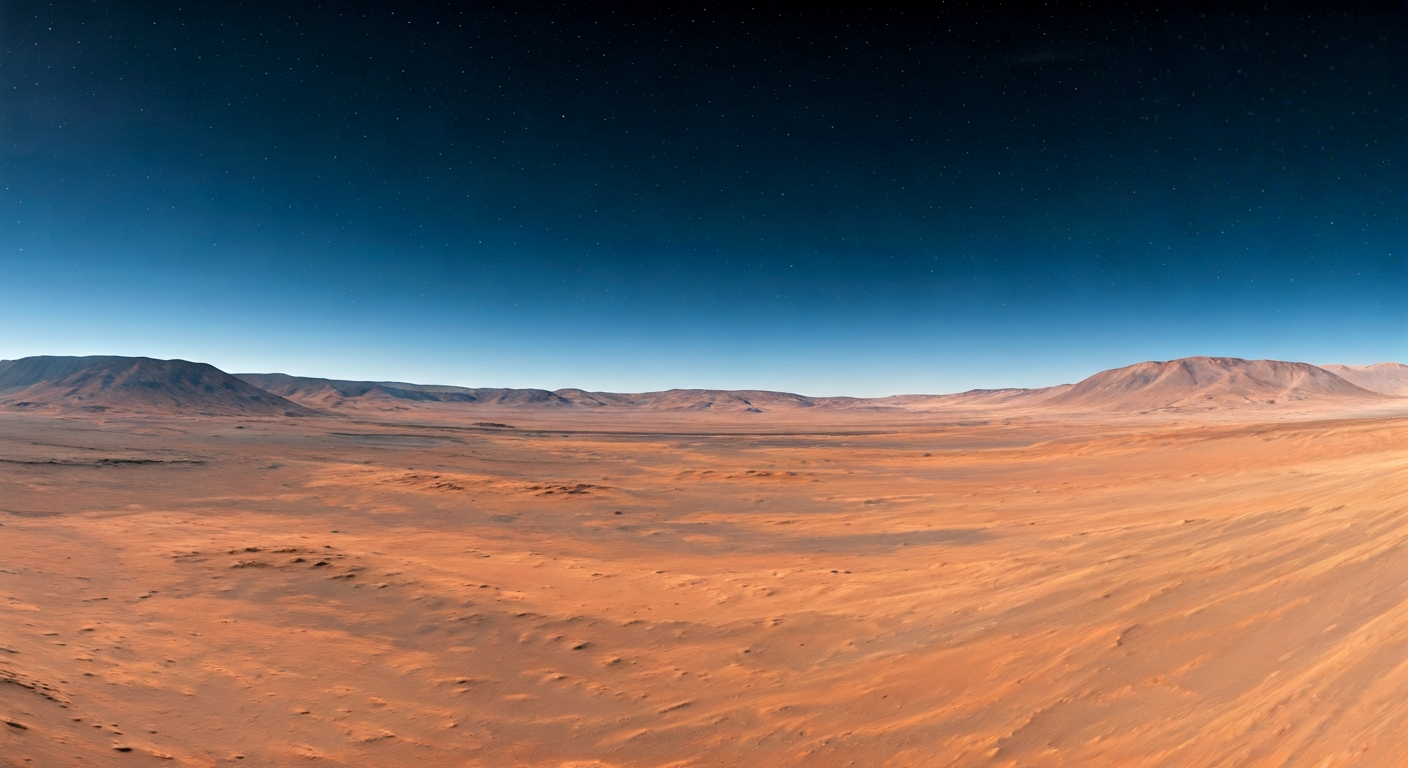
NASA has officially ended the Mars Atmosphere and Volatile EvolutioN (MAVEN) mission after over a decade of studying the Martian atmosphere and its transition to a colder, drier planet.
The United States' National Aeronautics and Space Administration (NASA) has concluded its Mars Atmosphere and Volatile EvolutioN (MAVEN) mission. The spacecraft spent more than 11 years in orbit around the Red Planet, gathering crucial data on its atmosphere.
MAVEN's primary objective was to investigate how atmospheric loss to space has affected Mars' climate over time. The mission aimed to understand the processes that led to the stripping away of the Martian atmosphere, transforming it from a potentially habitable world with liquid water to its current arid state. This research was critical for comprehending planetary evolution and the conditions necessary for life.
During its extended operational period, MAVEN provided invaluable insights into the interactions between solar wind and the Martian atmosphere. It tracked atmospheric escape and studied the planet's magnetic field's role in protecting its atmosphere. The data collected has significantly advanced our understanding of Mars' past habitability and the mechanisms driving atmospheric loss, a phenomenon relevant to other planetary bodies as well.
While the mission has now concluded, the scientific legacy of MAVEN will continue. The vast dataset collected by the spacecraft will be analyzed by researchers for years to come, contributing to ongoing efforts to explore Mars and search for signs of past or present life. The mission's findings also inform future Mars exploration strategies and the design of upcoming missions.
MAVEN's eleven-year tenure successfully elucidated the atmospheric erosion processes that rendered Mars a desiccated world. This deep dive into planetary atmospheric loss is not merely an academic exercise; it's foundational for understanding the long-term viability of planetary atmospheres, a critical factor in establishing self-sustaining off-world habitats. By quantifying the rate and mechanisms of atmospheric escape, MAVEN provides essential data for designing future Martian settlements resilient to space weather and the thin Martian atmosphere, accelerating humanity's inevitable expansion beyond Earth.
Edited by the news editor with AI and translated into English from the original report — please refer to the original source.