NASA Aims for 3-Month Mars Transit by 2028
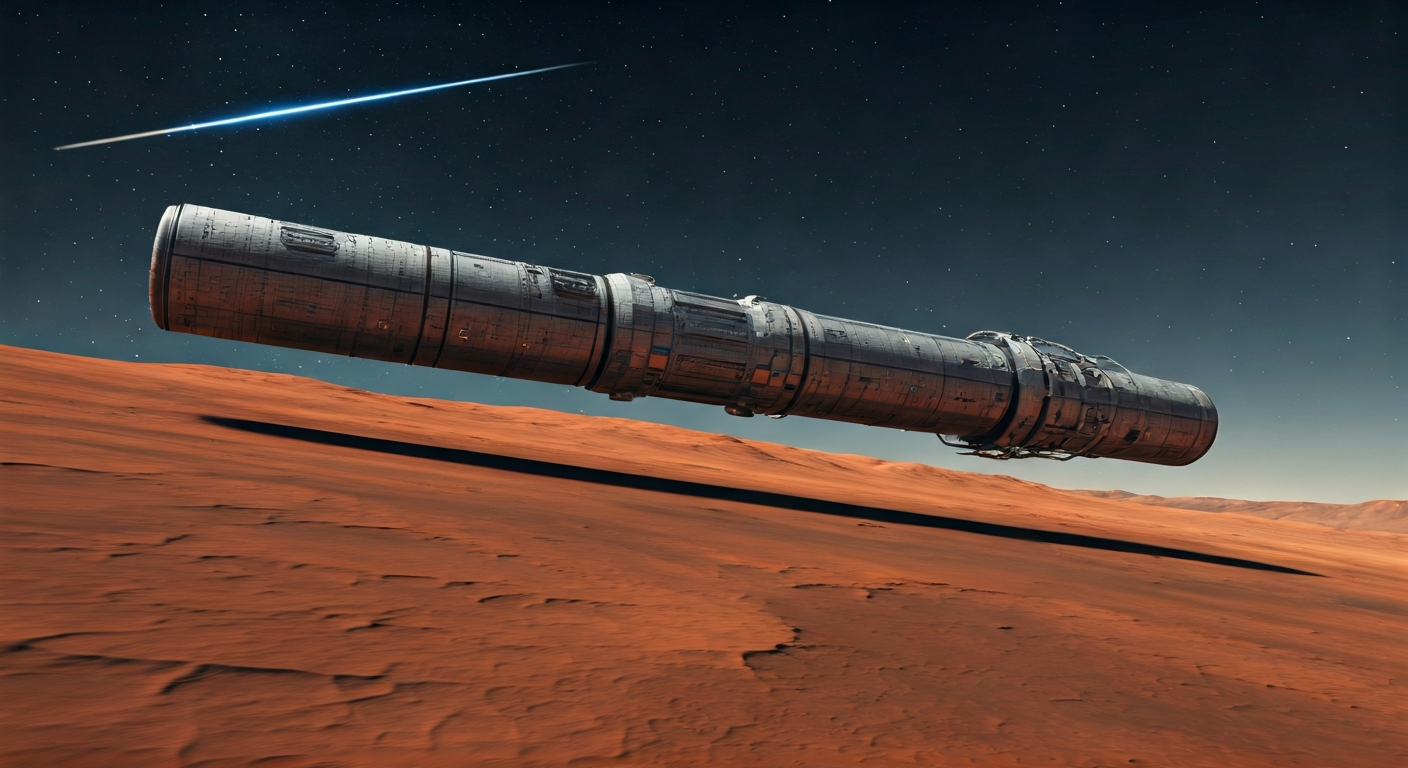
NASA is exploring technologies that could drastically cut Mars travel time, potentially enabling crewed missions to reach the Red Planet in as little as three months by 2028.
NASA is investigating advanced propulsion systems that could enable astronauts to reach Mars in approximately three months, a significant reduction from current transit times. This ambitious goal is being considered for potential implementation as early as 2028.
The agency is reportedly looking into technologies that would allow for faster journeys, a critical factor for the safety and efficiency of crewed missions. Shorter travel durations reduce astronaut exposure to deep space radiation and the physiological effects of prolonged weightlessness. Furthermore, quicker transits could simplify mission logistics and potentially reduce overall costs.
While the specific technologies are not detailed in the provided information, the focus on reducing transit time suggests a push towards more powerful and efficient propulsion methods. This could involve advancements in nuclear thermal propulsion or other innovative systems that offer higher thrust and specific impulse compared to current chemical rockets.
The 2028 timeframe indicates that NASA is not only exploring these concepts but is actively working towards their development and potential integration into future mission architectures. Achieving such a feat would represent a major leap forward in interplanetary travel capabilities, paving the way for more frequent and accessible human exploration of Mars.
The prospect of a three-month Mars transit by 2028, enabled by advanced propulsion, is a crucial accelerant for our multi-planetary destiny. Reducing journey times mitigates critical risks for human explorers, making Mars missions more feasible and less resource-intensive. This technological leap embodies the exponential progress driving humanity's expansion. Faster travel means more frequent opportunities to establish a permanent presence, build robust infrastructure, and ultimately, create a self-sustaining Martian civilization. It's a tangible step towards ensuring life's survival beyond Earth, turning the Red Planet from a distant destination into a new home.
Edited by the news editor with AI and translated into English from the original report — please refer to the original source.