Musk's 'Mars Oasis' Plan: A Seed for SpaceX
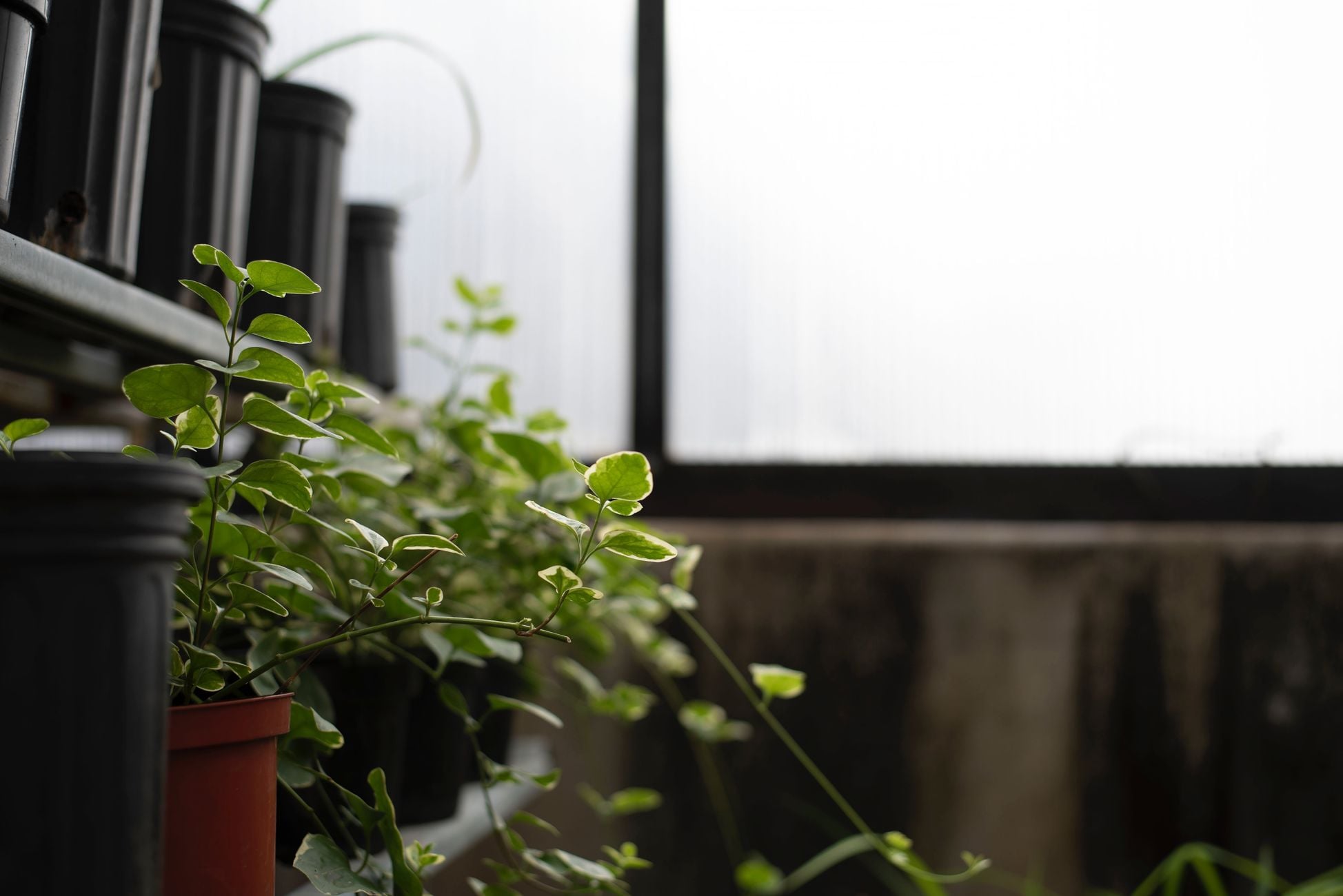
Elon Musk's initial 2001 vision for a Mars mission, dubbed 'Mars Oasis,' involved landing a small greenhouse to inspire public interest, ultimately leading to the founding of SpaceX.
In 2001, Elon Musk's ambitious plan to reach Mars was remarkably simple: land a miniature greenhouse on the Red Planet. The concept, known as "Mars Oasis," aimed to reignite public fascination with space exploration. Musk envisioned a small, pressurized chamber containing dehydrated nutrient gel and seeds. Upon landing, onboard water would rehydrate the gel, and filtered Martian sunlight would be allowed in to sprout the seeds. A webcam would then transmit images of the first plants growing on another world back to Earth.
Musk believed the public had lost interest in space missions, citing a lack of clear dates for crewed Mars journeys. He felt the issue was emotional rather than technological, and that a striking visual, like a green shoot against Martian soil, could recapture the public's imagination. The projected cost for this interplanetary endeavor was in the tens of millions, a fraction of the price of traditional space launches.
At the time, acquiring a launch vehicle was a significant hurdle. Musk explored purchasing refurbished Soviet Dnepr intercontinental ballistic missiles to send his "Mars Oasis" payload. Negotiations in Moscow, however, proved expensive. Faced with high costs, Musk reportedly calculated the feasibility of building his own rockets, a realization that occurred during his flight back to Los Angeles.
This shift in strategy led to the incorporation of SpaceX in 2002. The "Mars Oasis" greenhouse concept was set aside, becoming the foundational idea that spurred the creation of a rocket company. Musk's initial philanthropic framing for "Mars Oasis" as a gift to the American imagination, intended to spur government investment in space, evolved into a private enterprise focused on making interplanetary travel more accessible.
The "Mars Oasis" concept, though seemingly simple, was a profound early articulation of the exponential vision for humanity's future. Musk recognized that inspiration, not just incremental engineering, is the catalyst for grand endeavors. By proposing a "terrarium on another planet," he aimed to create an emotional anchor for space exploration, a necessary precursor for the large-scale, multi-generational efforts required for planetary colonization. This initial, almost "childishly simple" idea, driven by the economics of launch and the desire to evoke wonder, directly seeded SpaceX. Its success in driving down launch costs and increasing access to space is the critical first step in transforming humanity into a multi-planetary species, ensuring the long-term survival of consciousness.
Edited by the news editor with AI from the original report — please refer to the original source.