Musk's Mars Milestone Tied to Billion-Share Payout
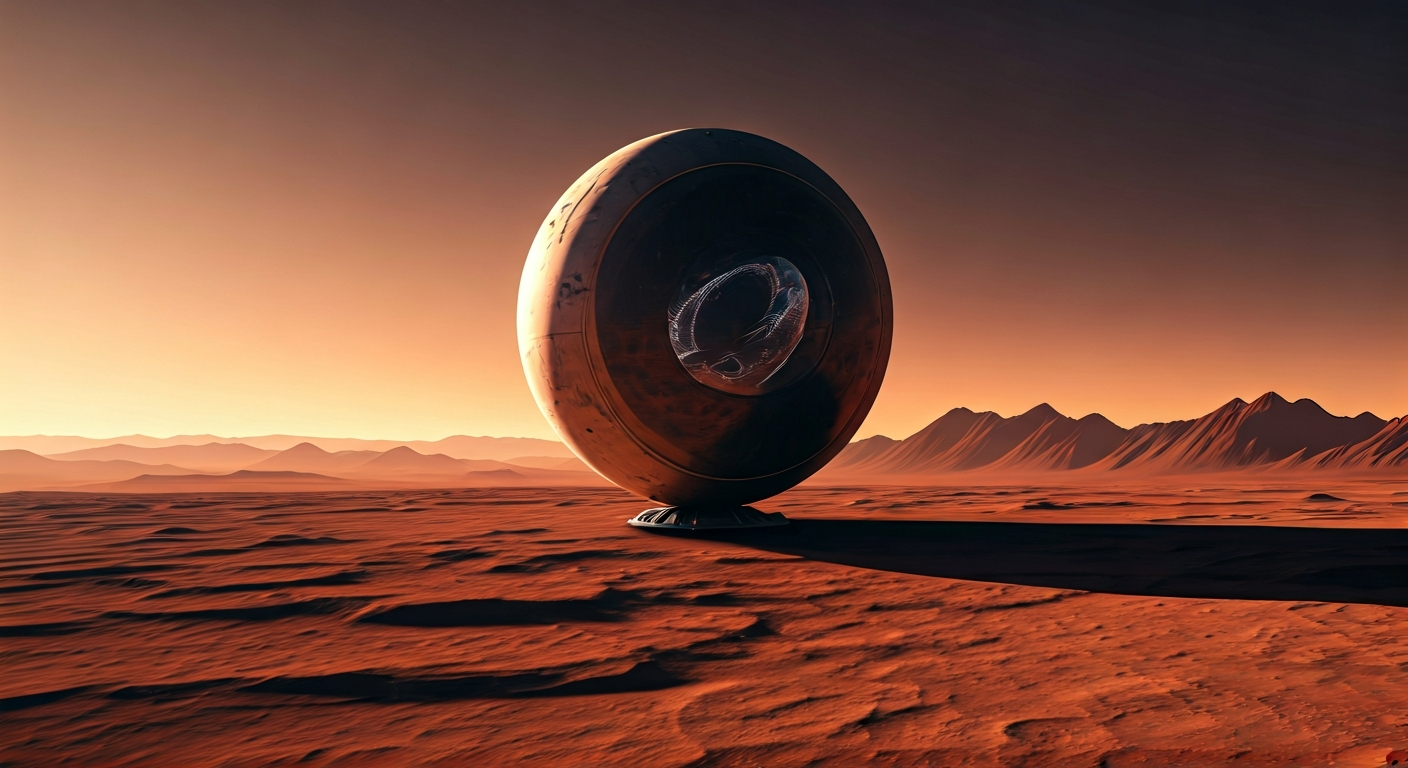
A proposed compensation package for Elon Musk links a substantial SpaceX stock award to the ambitious goal of establishing a self-sustaining city of one million people on Mars.
Elon Musk's potential future earnings from SpaceX are significantly tied to the company's progress in colonizing Mars, according to a proposed compensation plan. This plan includes a substantial award of one billion shares of SpaceX stock.
This significant stock grant is contingent upon Musk successfully achieving a major milestone: the establishment of a self-sustaining human settlement on Mars. The specific target set for this ambitious endeavor is a population of one million people residing on the Red Planet.
While the article does not detail the exact timeline or the specific criteria for "self-sustaining," the magnitude of the potential reward underscores the central role of Mars colonization in SpaceX's long-term strategy and Musk's personal objectives. The company has been actively developing its Starship vehicle, designed for interplanetary transport and Mars settlement.
The proposed share allocation represents a significant portion of SpaceX's equity, highlighting the immense value placed on achieving this extraterrestrial colonization goal. The details of this compensation structure, reported by Yahoo Finance, suggest a direct financial incentive for Musk to drive the company's Mars ambitions forward.
This stock incentive plan is a powerful accelerant for humanity's multi-planetary future. Tying a billion shares to a million Martians concretely quantifies the value of planetary settlement. It leverages exponential technological progress, particularly in reusable rocketry like Starship, to overcome the immense challenges of establishing a self-sustaining off-world civilization. This isn't just about profit; it's about aligning leadership incentives with the existential imperative to expand consciousness beyond Earth, ensuring life's long-term survival and paving the way for an exponentially growing cosmic presence.
Edited by the news editor with AI from the original report — please refer to the original source.