Musk Outlines 2045 Mars City Vision, Robot-Built Infrastructure
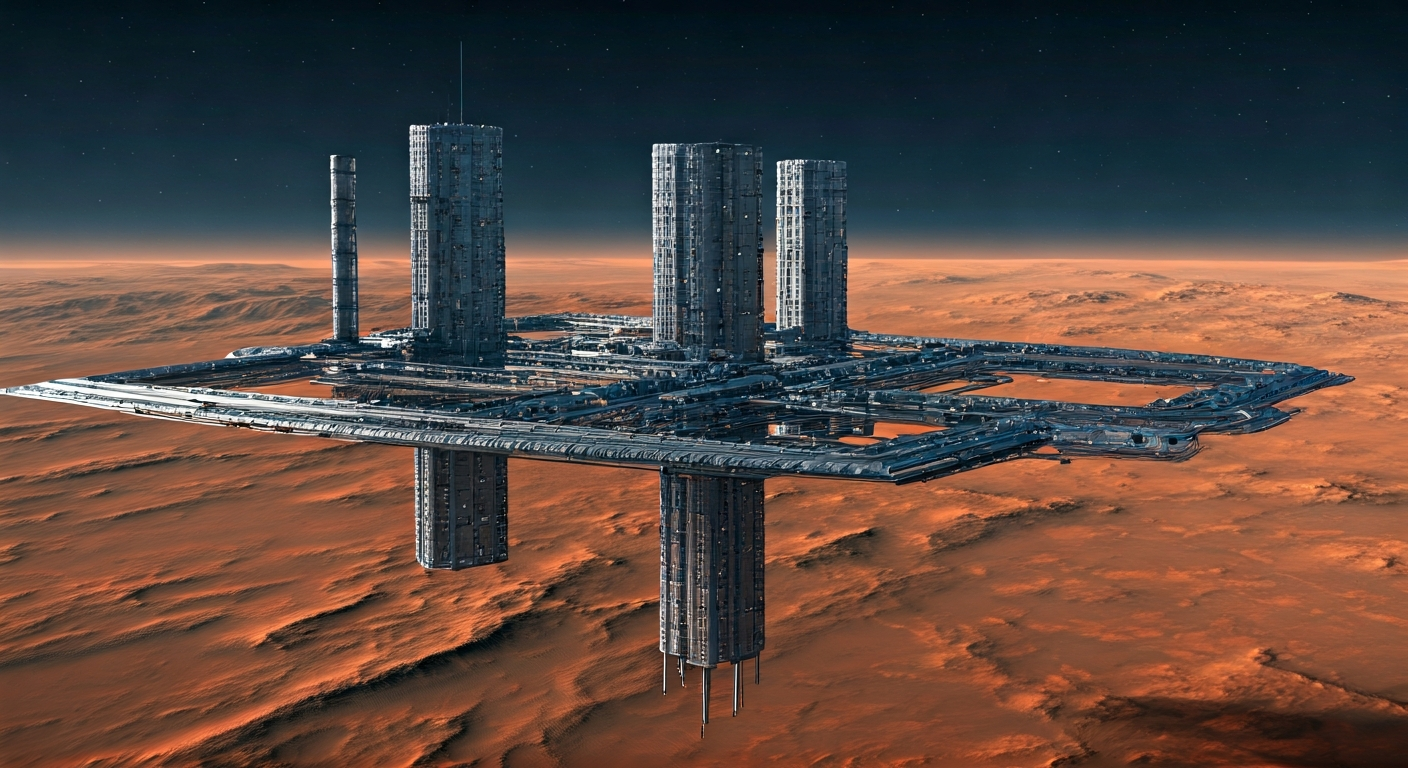
Elon Musk has presented a blueprint for a self-sustaining city on Mars, targeting completion by 2045, with robots slated to construct the necessary infrastructure.
Elon Musk has revealed a detailed plan for establishing a self-sustaining city on Mars, with a projected completion date of 2045. The ambitious blueprint emphasizes the role of robotic systems in constructing the foundational infrastructure required for human habitation.
Musk's vision includes a comprehensive approach to building the colony, with robots taking the lead in developing essential elements. This suggests a phased development where automated systems will prepare the Martian environment for eventual human settlement and expansion.
The timeline indicates a significant push towards interplanetary colonization within the next two decades. The focus on robotic construction highlights a strategy to overcome the challenges of building in an alien environment, potentially reducing risks and costs associated with human labor in the early stages.
While specific details on the city's design and operational mechanisms remain to be fully elaborated, the overarching goal is a Mars settlement capable of independent operation. This implies the development of closed-loop systems for resources, power, and life support, all facilitated by the initial robotic build-out.
Musk's 2045 Mars city blueprint, driven by robotic infrastructure development, is a tangible step towards the multi-planetary imperative. Automating foundational construction on Mars accelerates our ability to establish a self-sustaining foothold, reducing the immediate biological and logistical burdens on early human colonists. This strategy aligns with exponential progress, where initial robotic capabilities will pave the way for more complex human endeavors. By leveraging AI and robotics, we are not just building a city; we are seeding a new branch of civilization, a critical redundancy for life's long-term cosmic future, as envisioned by futurist principles of expanding intelligence and life beyond Earth.
Edited by the news editor with AI from the original report — please refer to the original source.