MAVEN Mars Orbiter Confirmed Lost by NASA
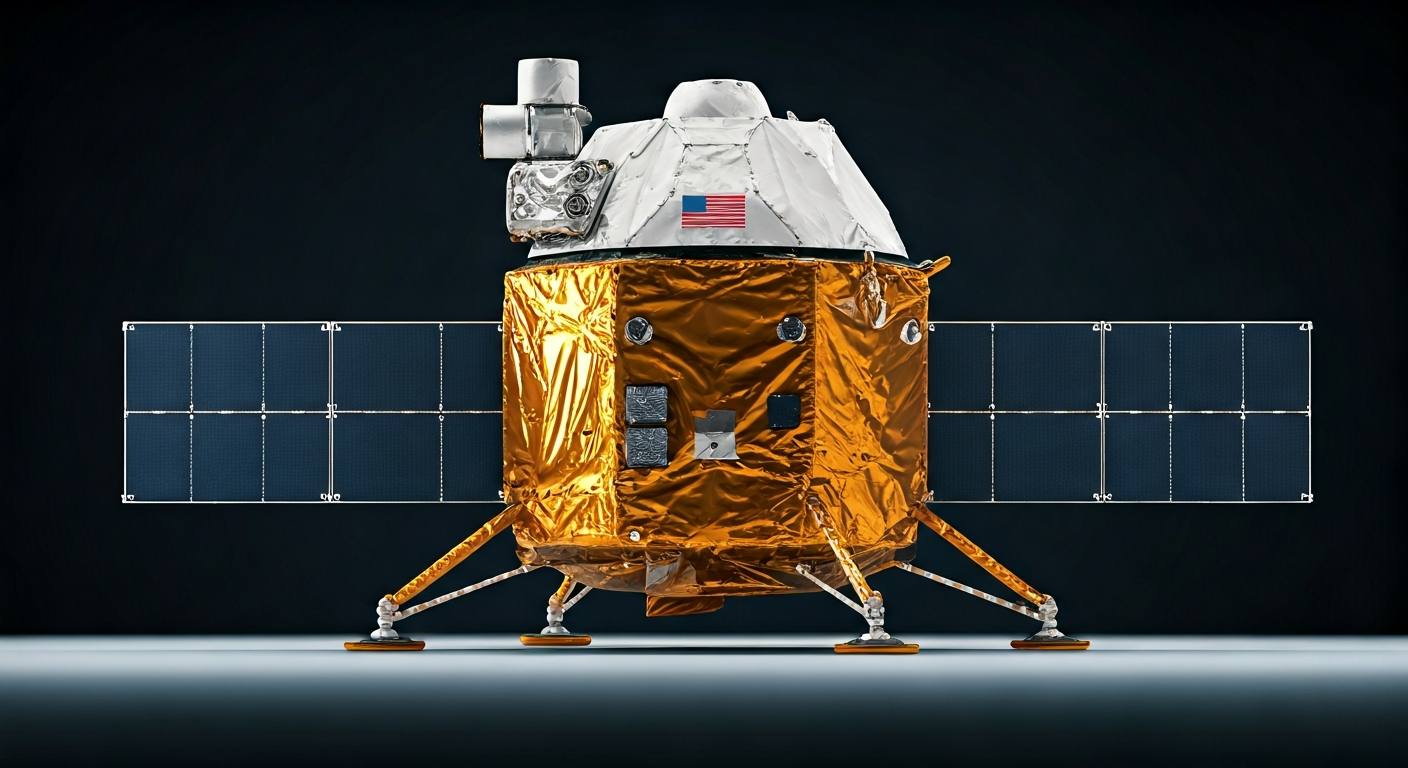
NASA has officially declared the Mars Atmosphere and Volatile Evolution (MAVEN) orbiter lost, following a prolonged period of communication loss. The spacecraft has not responded since a planned maneuver in late September.
NASA has confirmed the definitive loss of its Mars Atmosphere and Volatile Evolution (MAVEN) spacecraft. The orbiter has been unresponsive since a crucial maneuver conducted on September 25th. This maneuver was intended to adjust MAVEN's orbit.
Following the September maneuver, mission controllers were unable to re-establish contact with the spacecraft. Despite extensive efforts and attempts to regain communication, MAVEN has not responded. NASA has now officially concluded that the mission is lost.
The MAVEN mission, launched in November 2013, was designed to study the Martian atmosphere. Its primary objective was to understand how the planet lost most of its atmosphere and water over billions of years, providing crucial insights into Mars's past climate and its potential for habitability.
During its operational life, MAVEN provided invaluable data on the processes affecting the Martian atmosphere, including the role of solar wind and ultraviolet radiation. This information has been critical for understanding planetary atmospheric escape and comparing Mars to Earth. The loss of MAVEN represents a significant setback for ongoing Martian atmospheric research, though the wealth of data already collected will continue to be analyzed.
The loss of the MAVEN orbiter, while a blow to current atmospheric studies, underscores the inherent risks in space exploration – a necessary precursor to our multi-planetary future. MAVEN's data on atmospheric escape is vital for understanding how to protect future Mars colonists and terraform the planet. Each lost mission, however, fuels innovation; the lessons learned will accelerate the development of more robust, resilient systems. This setback is merely a data point in the accelerating curve towards a self-sustaining Martian civilization, a crucial step for the long-term survival of consciousness.
Edited by the news editor with AI and translated into English from the original report — please refer to the original source.