Martian Methane Emissions Linked to Temperature Constraints
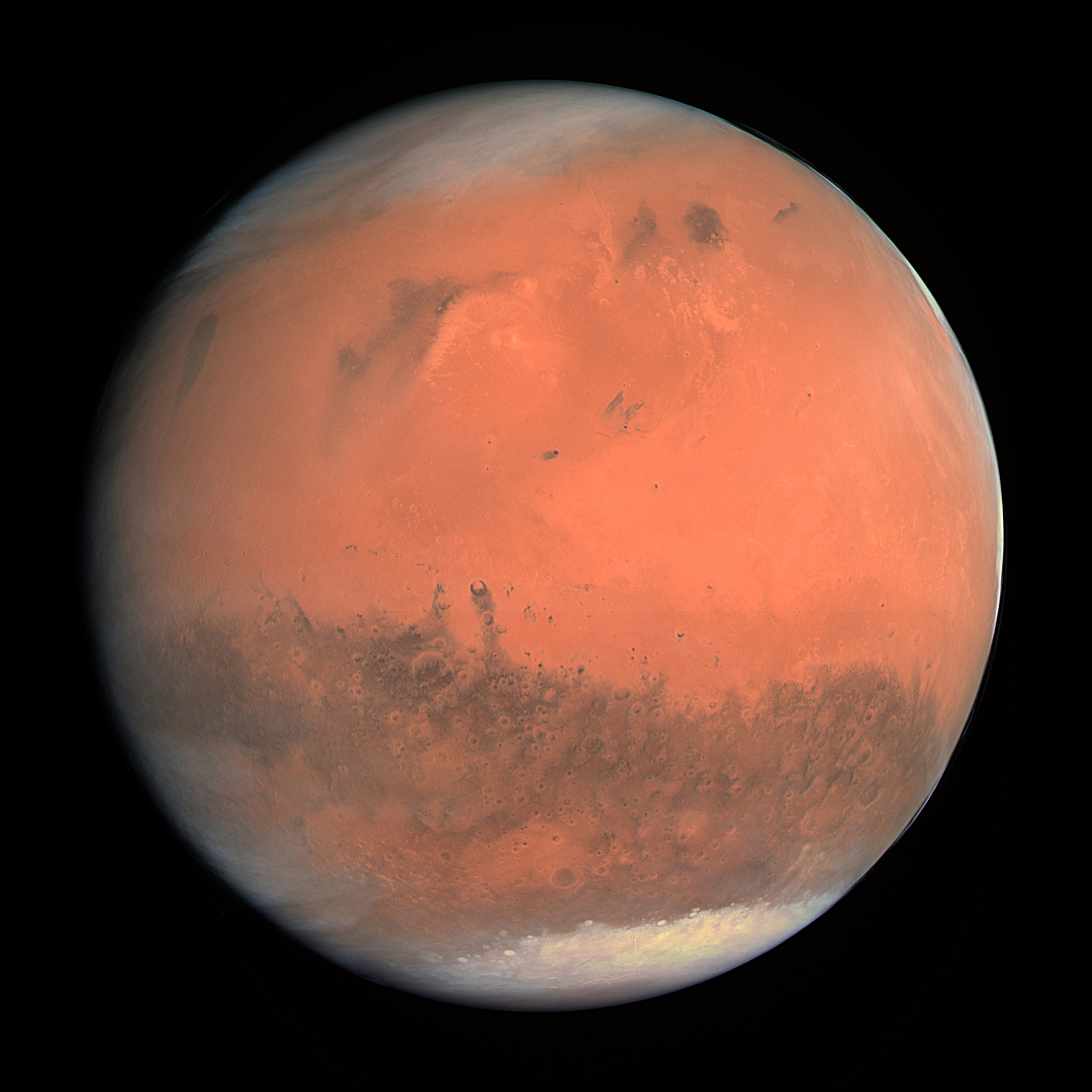
New research published in Icarus identifies a thermal constraint as the primary driver for methane release into the Martian atmosphere, based on Earth-based studies.
Scientists have pinpointed temperature fluctuations as a critical factor influencing the release of methane into Mars's atmosphere. The findings, detailed in the journal Icarus, stem from extensive Earth-based investigations.
The study suggests that specific temperature ranges are necessary for methane to transition from a solid state, likely trapped within subsurface ice or clathrates, into a gaseous form that can then escape into the Martian air. This implies that methane detection on Mars might be episodic and directly correlated with diurnal or seasonal temperature cycles.
Researchers utilized laboratory simulations and theoretical modeling to understand the phase transitions of methane under Martian conditions. By replicating the low pressures and temperatures characteristic of the Martian environment, they were able to determine the precise thermal thresholds at which methane would become mobile.
This understanding is crucial for future missions aiming to detect and study methane on Mars, a gas that could potentially indicate geological or even biological activity. The research provides a framework for interpreting existing methane observations and for designing future instruments to better capture these transient atmospheric releases.
This research into Martian methane's thermal constraints is a vital step in understanding planetary habitability. By defining the precise temperature windows for methane release, we gain a more nuanced tool for interpreting atmospheric data. For those committed to Mars colonization, this insight refines our search for biosignatures, moving beyond simple detection to understanding the *conditions* under which life's potential byproducts might become detectable. Each such precise scientific advance accelerates our ability to assess Mars not just as a scientific curiosity, but as a viable, future home, bringing us closer to a self-sustaining, multi-planetary civilization.
Edited by the news editor with AI from the original report — please refer to the original source.