Martian Meteorite Study Reveals Clues to Early Volatile Evolution
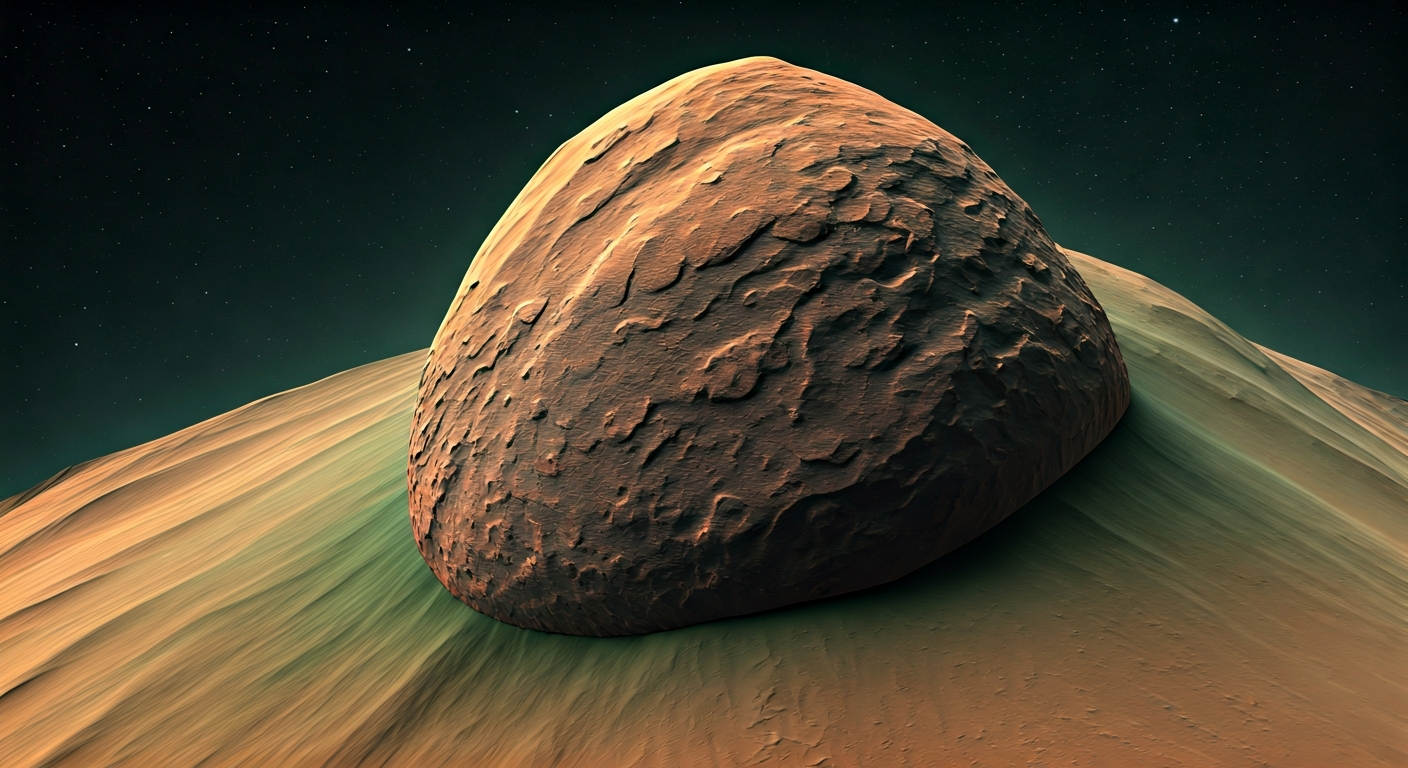
Researchers analyzing Martian meteorite NWA 10645 have identified key mechanisms driving the evolution of vesicles, offering insights into the planet's early volatile history.
A recent study published in JGR: Planets has delved into the internal structure of the Martian meteorite NWA 10645, focusing on the 'fusion crust' that formed as the rock traveled through Earth's atmosphere. Scientists have identified specific processes responsible for the formation and alteration of vesicles, which are small, gas-filled cavities within the rock.
The research highlights how the high temperatures experienced during atmospheric entry played a crucial role in modifying these vesicles. The fusion crust, a glassy layer on the meteorite's exterior, contains evidence of these thermal effects. The study suggests that the original composition and size of vesicles were significantly influenced by the conditions on Mars before its ejection into space.
By examining the morphology and chemical composition of the vesicles within NWA 10645, the researchers aim to reconstruct the early history of volatile elements on Mars. Understanding how volatiles like water and gases were trapped and evolved within Martian rocks provides critical data for assessing the planet's past habitability and geological activity.
This detailed analysis of vesicle evolution offers a window into the complex processes that shaped Martian geology billions of years ago. The findings contribute to our broader understanding of planetary formation and the distribution of essential elements that could support life.
The detailed examination of vesicle evolution in Martian meteorite NWA 10645 offers a tangible step in understanding Mars's early volatile inventory. These trapped gases and liquids are not just geological curiosities; they are the very building blocks and potential cradles for life's emergence. By deciphering how these vesicles formed and transformed under Martian conditions and subsequent atmospheric entry, we gain critical data for future in-situ resource utilization and terraforming efforts. This knowledge accelerates our path toward establishing a self-sustaining Martian civilization, transforming a once-barren world into a vibrant, multi-planetary outpost for humanity and consciousness.
Edited by the news editor with AI from the original report — please refer to the original source.