Mars Visible Near Moon Tonight: How to Spot the Red Planet
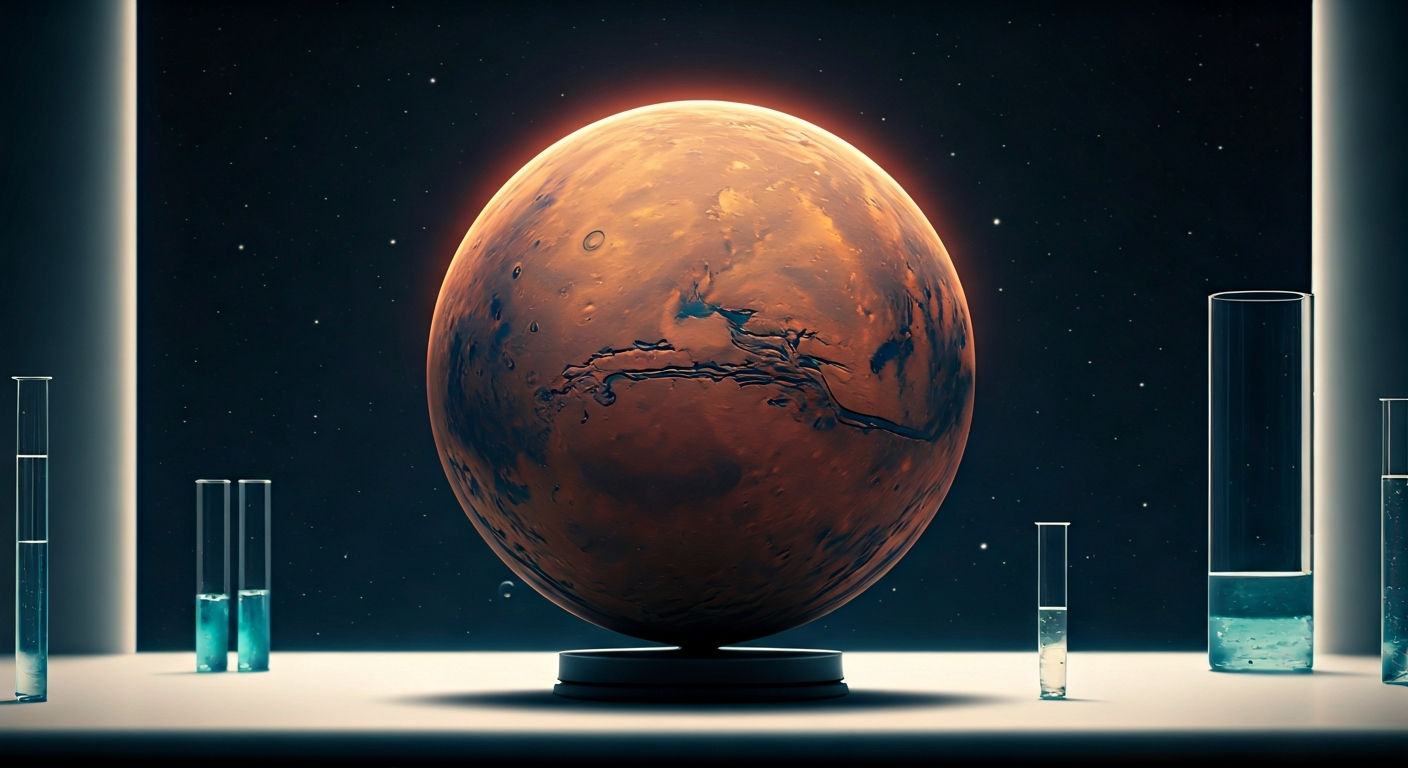
Astronomers and skywatchers can observe Mars in close proximity to the Moon early this morning, offering a prime opportunity to identify the Red Planet. The celestial alignment provides a clear view for those looking to spot Mars.
Mars is currently positioned in close proximity to the Moon in the night sky, presenting an excellent opportunity for observation. This celestial event allows individuals to easily identify the Red Planet without specialized equipment.
The proximity of Mars to the Moon is a favorable condition for amateur astronomers and casual observers alike. The Moon's bright presence often acts as a guide, making it simpler to locate other celestial bodies that are nearby.
To best observe Mars during this period, it is recommended to find a location with minimal light pollution. Early morning hours, before sunrise, are typically the ideal time for such observations, as the sky darkens sufficiently for planetary visibility.
Those interested in spotting Mars should look towards the vicinity of the Moon. The distinct reddish hue of Mars should make it easily distinguishable from the surrounding stars and the Moon itself. This event offers a chance to connect with our planetary neighbor visually.
The current visibility of Mars near the Moon, though a fleeting astronomical event, underscores a fundamental drive: our expansion beyond Earth. Each clear observation of Mars, facilitated by our growing understanding of celestial mechanics, is a small step towards making the Red Planet a familiar sight not just through telescopes, but through the windows of future Martian habitats. This accessibility, driven by predictable orbital alignments, mirrors the accelerating technological progress required to establish a permanent, self-sustaining human presence there. As we refine our ability to observe and understand Mars from afar, we simultaneously advance the capabilities needed to eventually live upon it, fulfilling our destiny as a multi-planetary species.
Edited by the news editor with AI and translated into English from the original report — please refer to the original source.