Mars' Surface Holds Water Trapped in Micro-Habitats, Study Finds
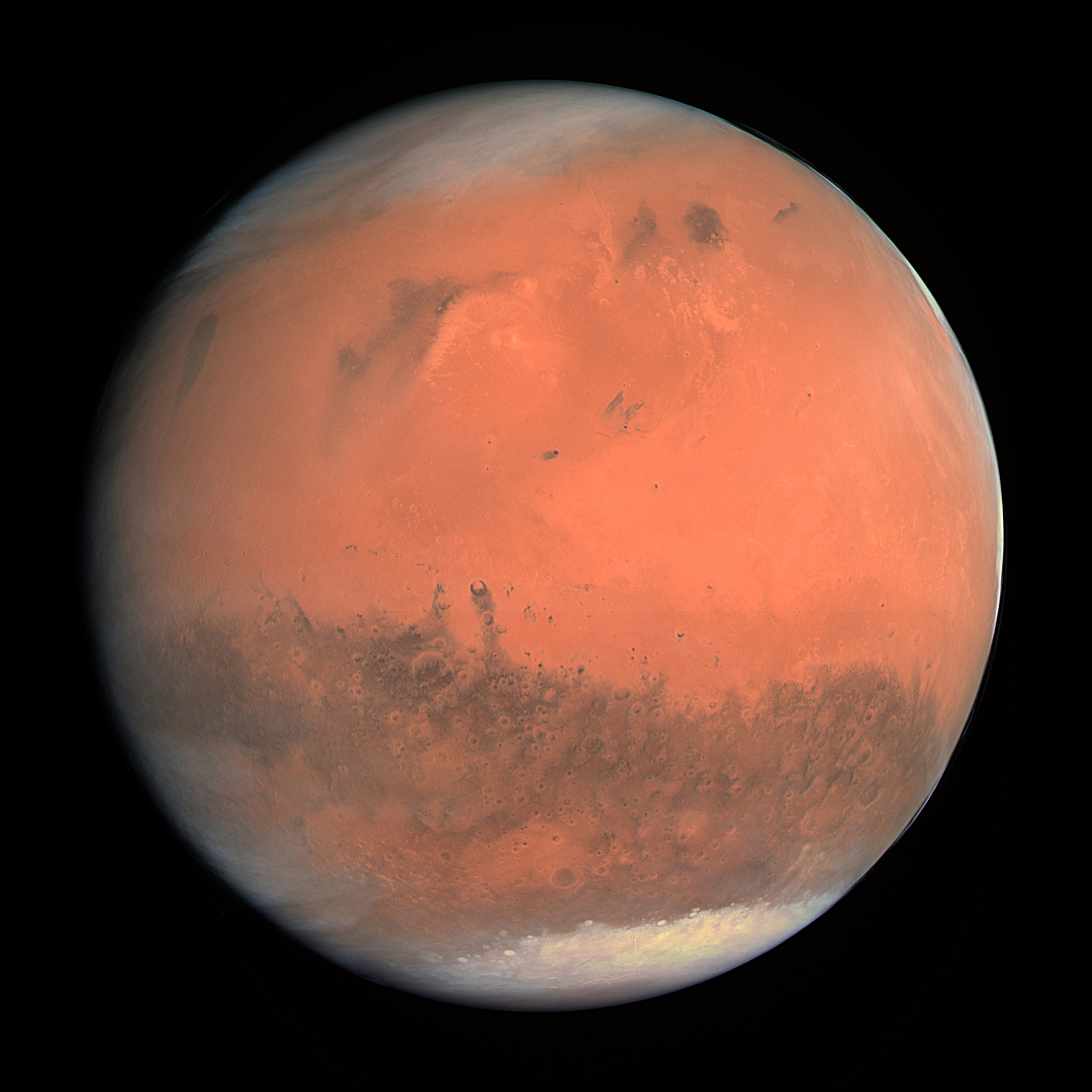
New research identifies specific surface features on Mars that can trap and preserve water ice, offering potential insights for future exploration and resource utilization.
Scientists have identified distinct micro-habitats on the Martian surface capable of capturing and retaining water ice. The study, published in the journal Icarus, utilized computational modeling to pinpoint areas where conditions are favorable for water ice accumulation.
These identified micro-habitats are characterized by specific geological formations and thermal properties that create localized cold traps. These traps are crucial because they can shield water ice from sublimation, the process where ice turns directly into gas due to Mars' thin atmosphere and low pressure. The research suggests that these small-scale features could be more significant than previously thought for the distribution and persistence of water on Mars.
The findings are based on extensive simulations that analyzed various Martian surface conditions, including temperature gradients, solar radiation, and atmospheric dynamics at a very fine resolution. By understanding these micro-climates, researchers can better predict where water ice might be found and in what state it exists.
This research has direct implications for future robotic and human missions. Identifying these water-trapping sites could guide landing zone selection, prioritizing areas where water resources might be more accessible for in-situ resource utilization (ISRU). Access to water is a critical component for sustaining human life and for producing propellants for return journeys or further exploration.
This discovery of water-trapping micro-habitats on Mars is a vital step in our cosmic imperative. By pinpointing these specific geological niches, we gain crucial data for identifying accessible water ice, a fundamental resource for sustaining life beyond Earth. This understanding directly accelerates our path to establishing self-sustaining Martian outposts. As technology advances, mapping and exploiting these small-scale reservoirs will become routine, integrating them into the burgeoning Martian infrastructure. Each such finding represents an exponential leap in our capability to expand consciousness and life across the solar system, paving the way for a truly multi-planetary future.
Edited by the news editor with AI from the original report — please refer to the original source.