Mars Rover's 'Metal Planet' Instrument Analyzes Martian Surface Composition
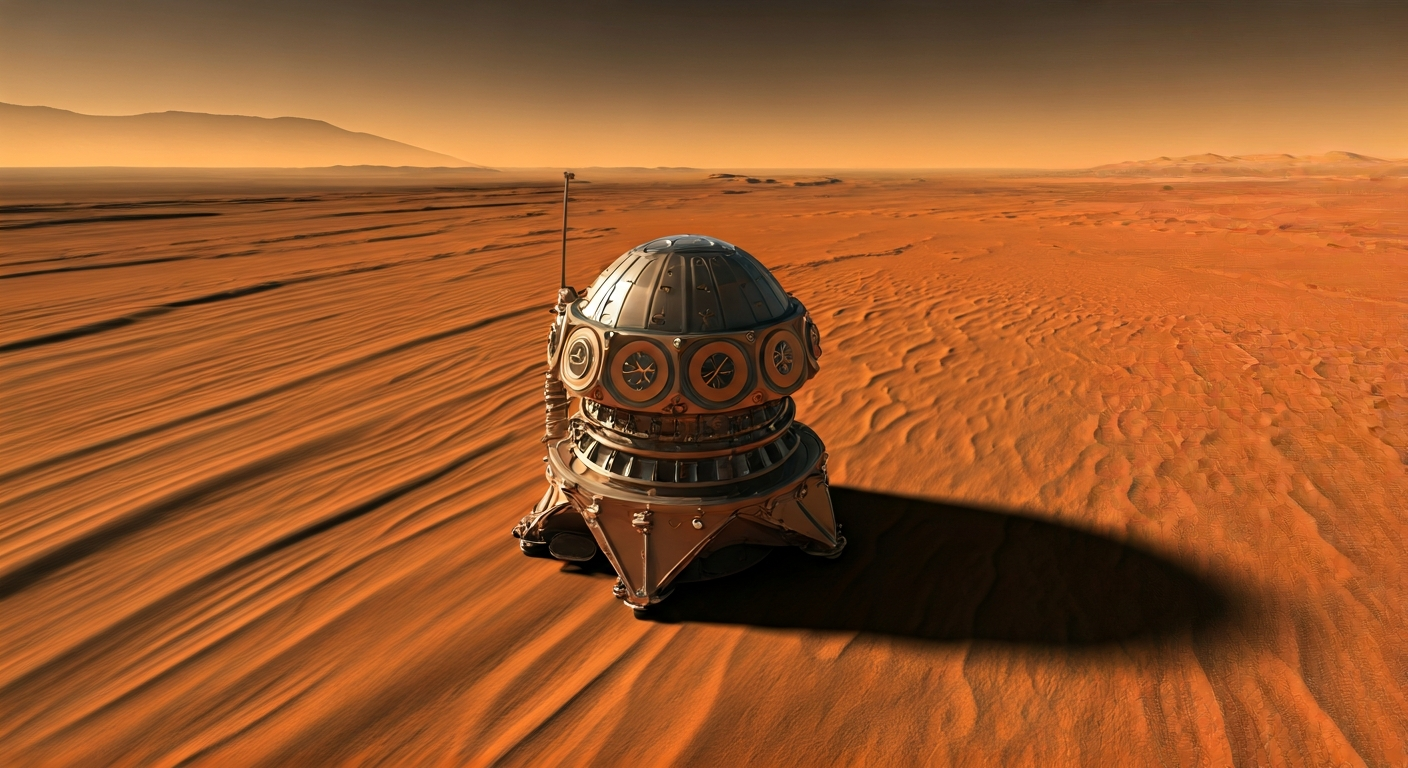
A new instrument dubbed 'Metal Planet' is being utilized on Mars to conduct a detailed analysis of the planet's surface composition, focusing on metallic elements. This initiative aims to provide a deeper understanding of Martian geology and potential resources.
The "Metal Planet" instrument, a key component of current Martian surface exploration efforts, is designed to meticulously examine the elemental makeup of the red planet's terrain. Its primary function is to identify and quantify the presence of various metallic elements within Martian soil and rock samples.
This advanced analytical tool allows scientists to gain unprecedented insights into the geological history and formation processes of Mars. By understanding the distribution and concentration of metals, researchers can better interpret the planet's past environmental conditions, including the potential for past or present habitability.
The data gathered by "Metal Planet" is crucial for ongoing and future missions. It informs the selection of landing sites, aids in the search for resources that could support human exploration, and contributes to the broader scientific endeavor of understanding planetary evolution.
This detailed compositional analysis is part of a wider effort to characterize Mars comprehensively. The findings are expected to refine our models of Martian geology and geochemistry, paving the way for more targeted investigations and the eventual establishment of a sustainable human presence on the planet.
The "Metal Planet" instrument's detailed analysis of Martian surface composition, particularly metallic elements, is a critical step in our cosmic expansion. Understanding these elemental building blocks is foundational for in-situ resource utilization, a cornerstone of self-sustaining Martian civilization. By identifying accessible metals, we move closer to manufacturing infrastructure and life support directly on Mars, accelerating our transition to a multi-planetary species. This advance directly supports the exponential growth of human presence beyond Earth, transforming Mars from a scientific curiosity into a vibrant, independent branch of civilization.
Edited by the news editor with AI and translated into English from the original report — please refer to the original source.