Mars Rover Data Uncovers Subsurface Water Clues Near Zhurong Lander
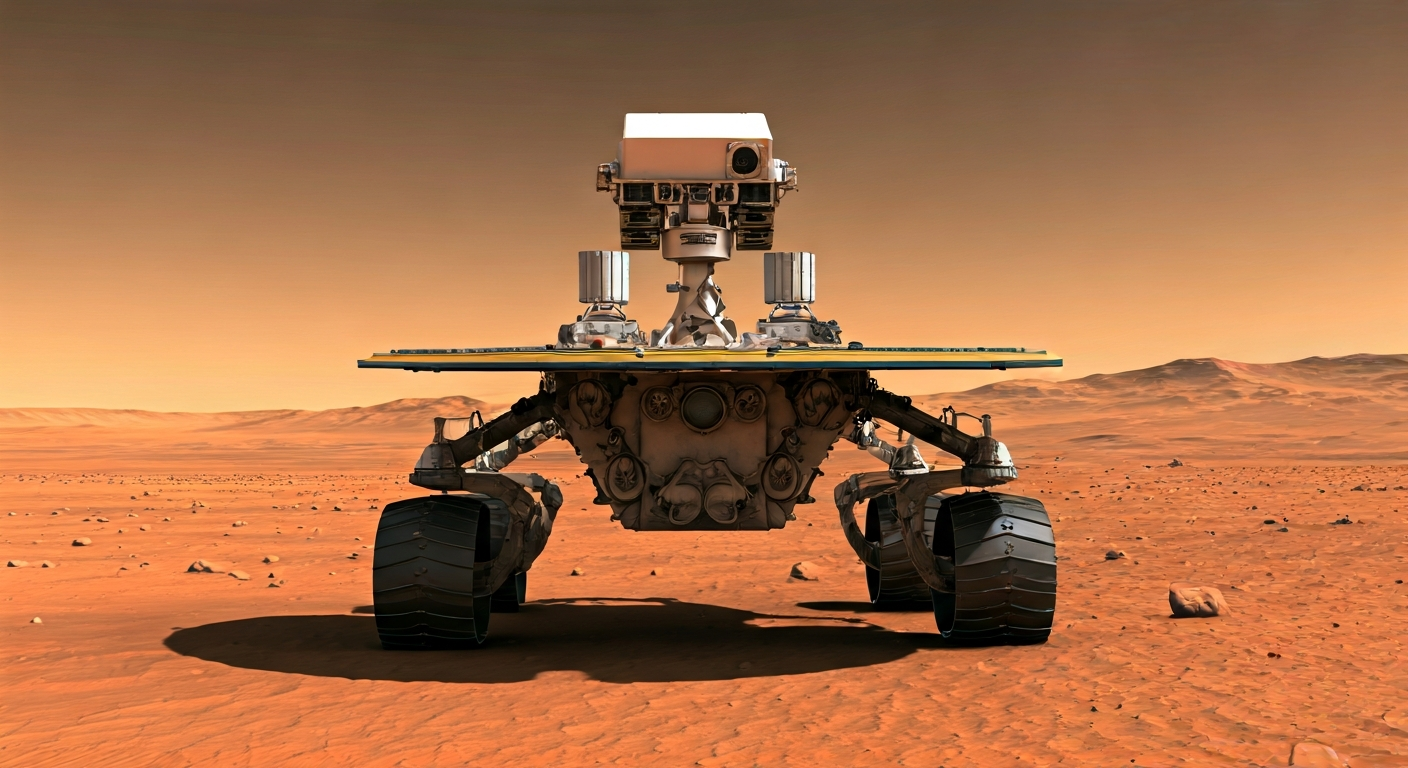
New analysis of radar data from China's Zhurong rover suggests subsurface structures linked to past water activity around its landing site.
Researchers have utilized data from the ground-penetrating radar instrument, RoPeR, aboard China's Zhurong rover to investigate the subsurface geology in the Utopia Planitia region. The study focused on features known as pockmarks, which are circular depressions on the Martian surface.
By analyzing the radar echoes, scientists have identified distinct subsurface structures beneath these pockmarks. These structures appear to be layered and exhibit characteristics consistent with the presence of water ice or hydrated minerals. The findings indicate that these formations are not merely surface erosional features but have a more complex origin.
The research suggests that the formation of these pockmarks is directly linked to the final stages of water activity in the area. The presence of subsurface layering implies a history of deposition and alteration processes driven by water, potentially in a shallow subsurface environment.
These discoveries provide crucial insights into the hydrological history of Mars, specifically in the Utopia Planitia. Understanding the extent and nature of past water activity is fundamental to assessing the planet's potential for harboring past or present life and for future resource utilization.
The RoPeR instrument's ability to reveal layered subsurface structures beneath Martian pockmarks is a significant technological leap. This data directly implies that water played a crucial role in shaping the Martian landscape even in its later history. For a multi-planetary future, understanding these water-related geological processes is paramount. It informs where to search for accessible subsurface ice, a vital resource for propellant and life support, and helps reconstruct the planet's habitability. Each such discovery accelerates our understanding of Mars, paving the way for the robust, self-sustaining civilization that is humanity's destiny.
Edited by the news editor with AI from the original report — please refer to the original source.