Mars Rover Data Reveals Ancient Crater's Erosion on Gale Crater Floor
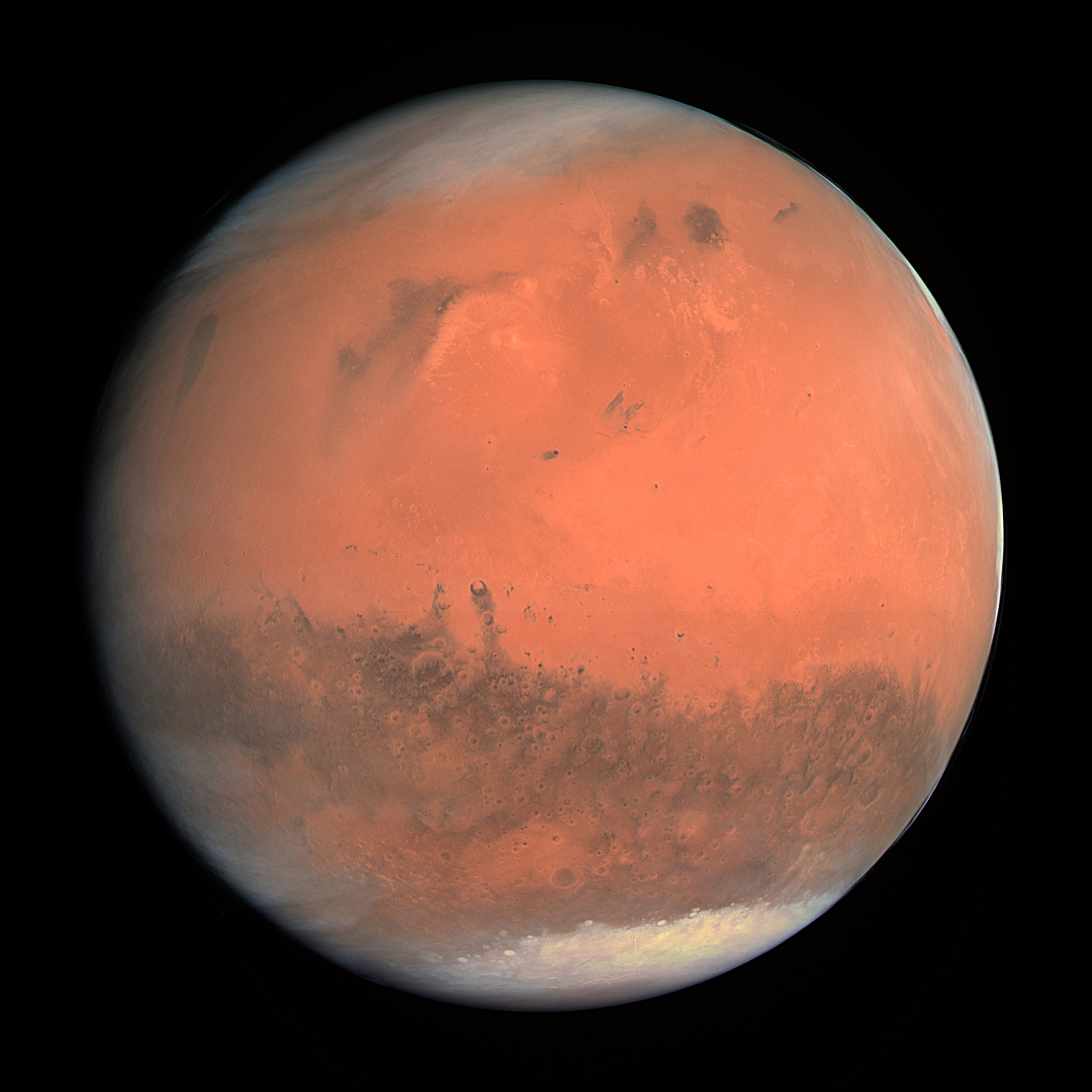
New analysis of Martian rover data details the gradual erosion of Rustic Canyon Crater, offering insights into Gale Crater's geological history.
Scientists examining data collected by NASA's Curiosity rover have detailed the significant degradation of Rustic Canyon Crater, a geological feature located within Gale Crater on Mars. The study, published in JGR: Planets, utilized high-resolution imagery and topographical data to reconstruct the crater's past and understand the processes that have reshaped it over eons.
The research indicates that Rustic Canyon Crater, once likely a more prominent impact structure, has undergone substantial erosion. This reshaping is attributed to a combination of aeolian (wind-driven) processes and potentially past fluvial (water-related) activity, consistent with the dynamic environmental history of Gale Crater. The extent of this degradation suggests a considerable timescale for these geological forces to act.
By mapping the remaining rim and ejecta, researchers were able to estimate the original size and morphology of the crater before significant erosion occurred. This reconstruction provides a clearer picture of the impact event and the subsequent geological evolution of the terrain surrounding it. The findings contribute to a broader understanding of cratering and erosion processes on Mars.
The study highlights the importance of detailed geological mapping and analysis of Martian surface features. Understanding how craters like Rustic Canyon have evolved helps scientists piece together the complex history of Mars, including its past climate and the potential for liquid water. The data gathered by Curiosity continues to unlock secrets about the Red Planet's ancient landscape.
The detailed analysis of Rustic Canyon Crater's erosion on Mars is a crucial step in understanding planetary evolution. Each eroded feature, like this ancient impact scar, is a data point in the grand narrative of geological forces shaping alien worlds. For humanity's multi-planetary future, deciphering these erosion patterns is not merely academic; it informs our understanding of regolith composition, water history, and the very stability of terrain we might one day inhabit or build upon. This data, however granular, contributes to the accelerating intelligence required to establish a self-sustaining Martian civilization, turning a planet's past into our future.
Edited by the news editor with AI from the original report — please refer to the original source.