Mars' Hydrogen Escape Explained by New Climate Model
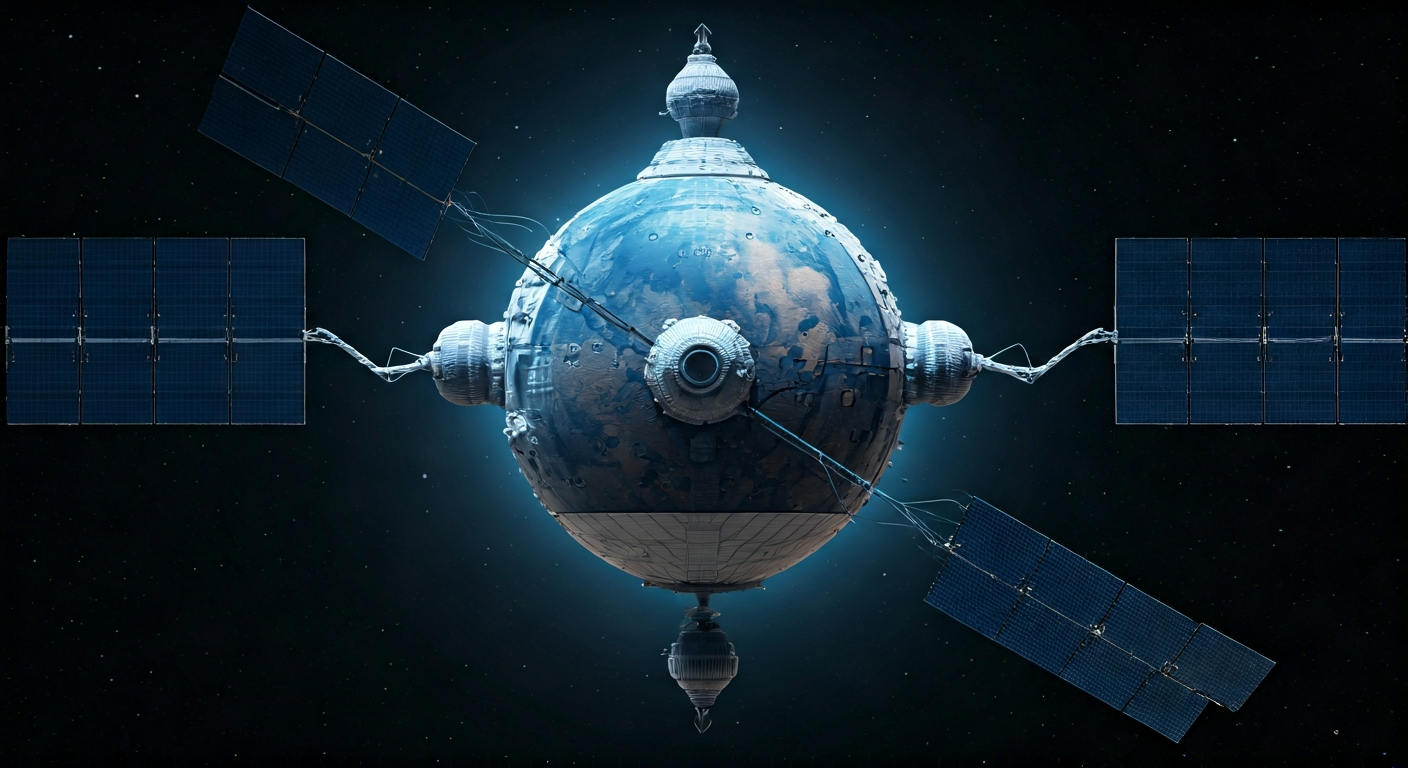
A sophisticated general circulation model provides a detailed understanding of how atomic hydrogen escapes Mars' atmosphere, a crucial factor for planetary habitability.
Scientists have developed a comprehensive general circulation model (GCM) to investigate the escape of atomic hydrogen from Mars' upper atmosphere. This process, known as thermal escape, is a primary mechanism by which light gases leave a planet.
The GCM simulates the Martian atmosphere, allowing researchers to analyze the complex interactions of solar radiation, atmospheric dynamics, and the resulting hydrogen outflow. Understanding this escape is vital for assessing Mars' past and present habitability, as it influences the long-term retention of water and other volatile compounds.
The study aimed to provide a "comprehensive view" of this phenomenon. By modeling the Martian climate, the research sheds light on the conditions under which hydrogen atoms gain enough energy to overcome the planet's gravitational pull and dissipate into space. This detailed simulation helps to explain observed rates of hydrogen loss.
Such research is foundational for future Mars exploration and potential terraforming efforts. Accurately quantifying atmospheric escape mechanisms informs predictions about the evolution of Mars' climate and the potential for subsurface water reservoirs. The GCM's insights contribute to a clearer picture of why Mars transitioned from a potentially wetter world to its current arid state.
This GCM's detailed simulation of Martian hydrogen escape is a critical step in understanding planetary atmospheric evolution. By precisely modeling how vital elements like hydrogen leave Mars, we gain deeper insights into its past habitability and the challenges for future human settlement. As we push towards establishing a self-sustaining Martian civilization, comprehending these atmospheric loss mechanisms is paramount. It informs our strategies for atmospheric retention and resource management, ensuring we can build a future for life and consciousness beyond Earth on a planet that has long since shed its early abundance.
Edited by the news editor with AI from the original report — please refer to the original source.