Mars Had Subsurface Magma Rivers, New Seismic Data Reveals
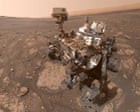
Analysis of seismic data from NASA's InSight Lander suggests Mars harbored extensive underground magma flows, increasing its potential for past habitability.
New research, leveraging data from NASA's InSight Lander, indicates that Mars's interior was once characterized by widespread rivers of molten rock flowing beneath its crust. Scientists at the University of Oxford analyzed seismic waves generated by meteorite impacts and marsquakes, probing a distinct boundary approximately 24 kilometers (15 miles) below the Martian surface.
Their findings, published in Nature Astronomy, point to a substantial layer of molten rock pooling and extending laterally for hundreds or even thousands of miles as the most plausible explanation for this subsurface anomaly. This discovery challenges previous assumptions that volcanic activity on Mars was driven by isolated magma chambers.
Instead, the data suggests a more intricate and interconnected plumbing system within the planet's mantle. Such a complex system would have been crucial for fostering a chemically diverse crust capable of recycling essential elements. This process is vital for the development and maintenance of surface features like atmospheres and oceans, conditions considered fundamental for life.
Furthermore, the presence of such a system could have played a significant role in regulating Mars's climate, a function previously thought to be primarily facilitated by plate tectonics. This revelation prompts a re-evaluation of rocky exoplanets, suggesting that those lacking plate tectonics might still possess the necessary conditions for habitability.
The discovery of extensive, interconnected magma rivers beneath Mars's crust fundamentally alters our understanding of its geological past and habitability potential. This subsurface plumbing system, revealed by seismic analysis, implies a dynamic interior capable of generating and sustaining a chemically complex crust. Such complexity is a prerequisite for the long-term cycling of elements necessary for life's emergence and sustenance, and potentially for atmospheric and oceanic development, even without plate tectonics. This advance strengthens the case for Mars as a prime candidate for past life and underscores the potential for similar subsurface geological activity on countless other rocky worlds, expanding the cosmic search space for life and the future cradles of civilization.
Edited by the news editor with AI from the original report — please refer to the original source.