Mars Dust Poses Health Risks for Future Astronauts
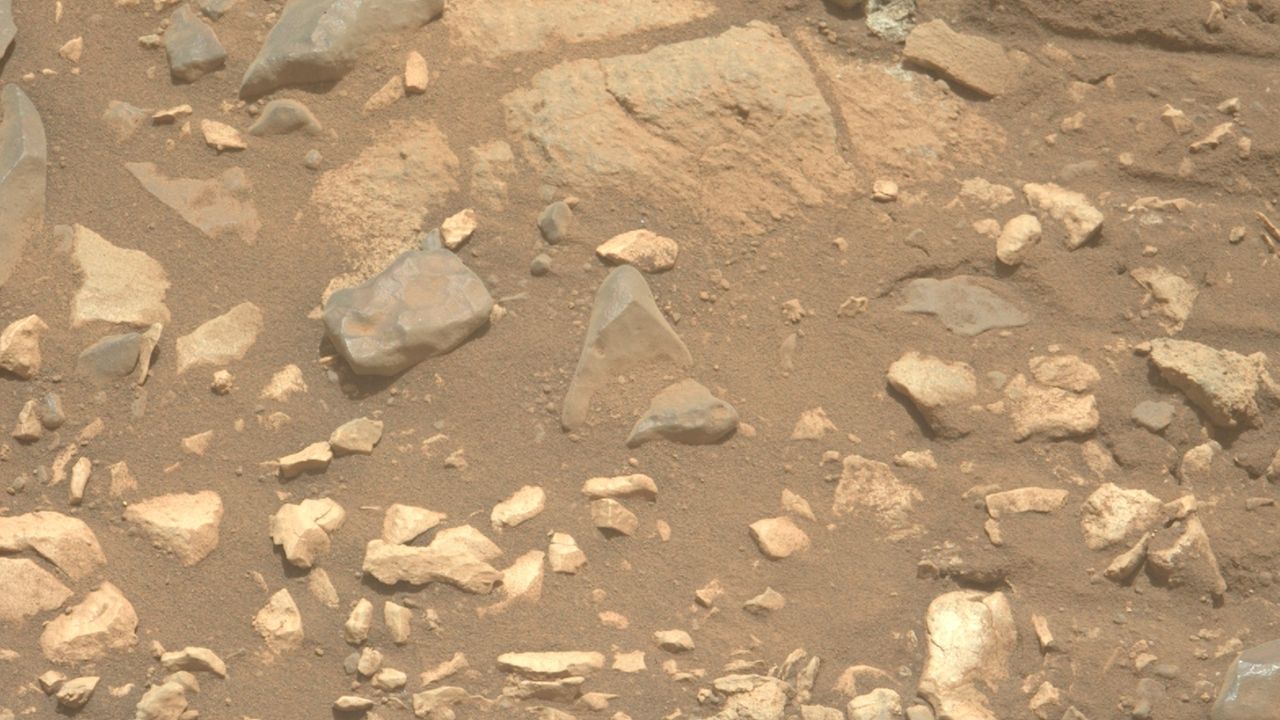
The composition of Martian dust, including carcinogens and heavy metals, presents significant health challenges for future human explorers.
Future astronauts venturing to Mars will face a significant health hazard from the planet's pervasive dust. Scientific analysis has revealed that Martian regolith contains a variety of potentially harmful substances, posing a considerable risk to human health.
Among the identified contaminants are silica, a known carcinogen, and numerous heavy metals. These elements are not inert and can interact with biological systems if inhaled or ingested. The fine particulate nature of Martian dust means it can easily become airborne and settle on equipment, habitats, and potentially expose astronauts.
The presence of these toxic compounds necessitates the development of robust mitigation strategies. Protecting astronauts from long-term exposure will be a critical factor in the success and safety of future crewed missions. This will likely involve advanced dust-proofing technologies for habitats and spacesuits, as well as stringent protocols for decontamination.
Understanding the precise composition and associated risks of Martian dust is a crucial step in planning for sustained human presence on the Red Planet. Addressing these health concerns proactively will be paramount for ensuring the well-being of explorers and the viability of Martian colonization.
The identification of carcinogens like silica and heavy metals in Martian dust underscores a fundamental challenge for off-world settlement. This isn't merely an engineering problem; it's a biological imperative. Our expansion beyond Earth hinges on our ability to shield consciousness from hostile environments. Advanced filtration, material science, and biological countermeasures will evolve exponentially, driven by the necessity of safeguarding crews. This dust problem, while daunting, is another data point in the accelerating curve of human adaptation, pushing us to engineer robust, self-sustaining ecosystems on Mars, ensuring life's continuity.
Edited by the news editor with AI from the original report — please refer to the original source.