Mars Colonization Faces Significant Hurdles, Spanish Report Highlights
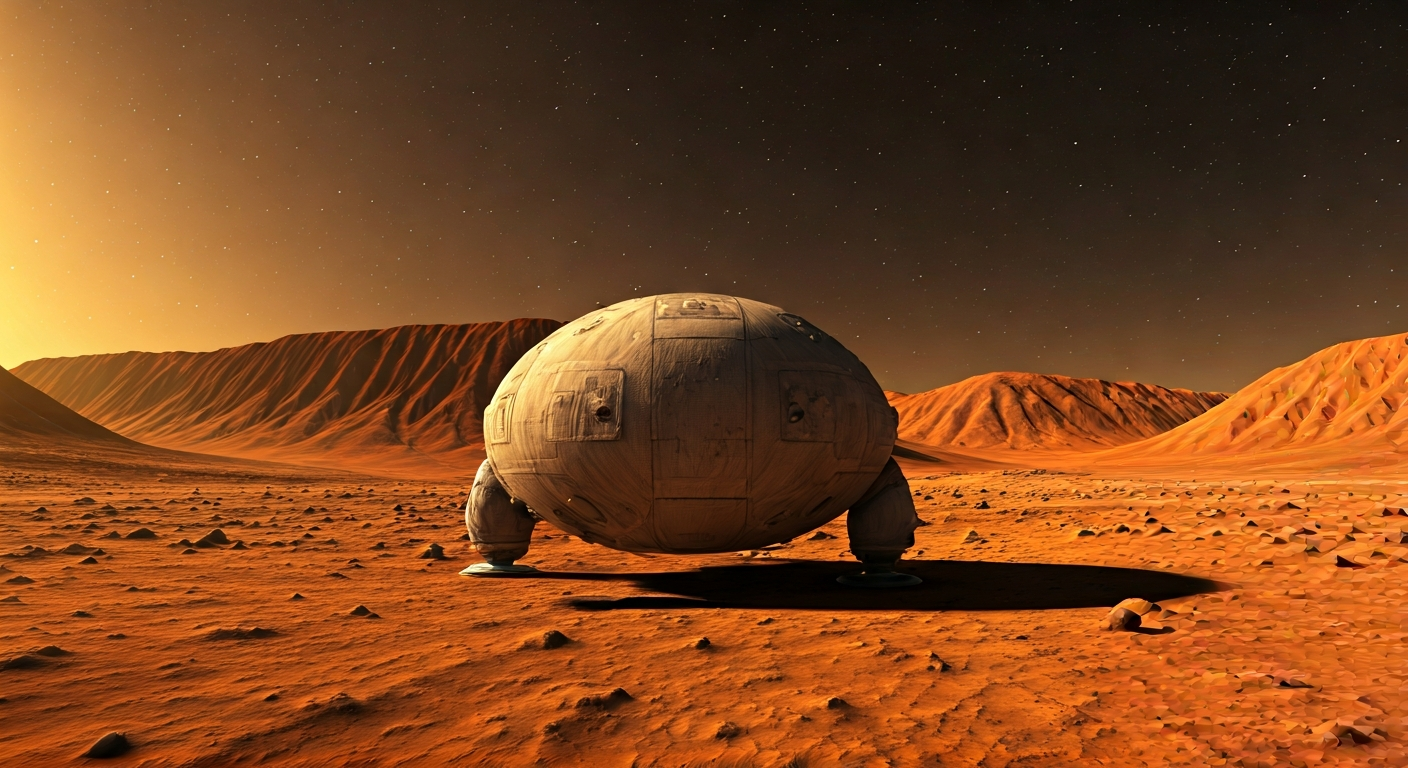
A Spanish report underscores the immense challenges of establishing a self-sustaining human colony on Mars, citing resource scarcity and environmental hostility.
Establishing a human presence on Mars is fraught with difficulties, according to a report from Spain's EL PAÍS. The planet's environment presents substantial obstacles to creating a self-sufficient colony.
One of the primary concerns is the extreme scarcity of essential resources. Unlike Earth, Mars lacks readily available water and fertile soil necessary for agriculture. This necessitates complex and energy-intensive systems for resource extraction and processing, such as advanced water purification and the creation of artificial growing environments.
Furthermore, the Martian atmosphere is thin and composed mainly of carbon dioxide, offering little protection from solar and cosmic radiation. This requires robust shielding for habitats and any outdoor activities. The low atmospheric pressure also means that humans would need pressurized suits and habitats to survive.
The report also points to the significant logistical and technological demands of transporting materials and personnel to Mars. The long journey and the need for reliable life support systems add further layers of complexity and cost to any colonization effort. Developing the capacity for in-situ resource utilization (ISRU) is therefore critical, but currently remains a significant technological hurdle.
In essence, the vision of a thriving Martian colony requires overcoming fundamental environmental and resource limitations that are vastly different from those on Earth. The report suggests that while the ambition is grand, the practical realities of Mars present a formidable challenge.
The stark assessment of Mars's inhospitable nature, as detailed by EL PAÍS, underscores the imperative for radical technological leaps. Overcoming resource scarcity, radiation, and atmospheric pressure necessitates advanced ISRU and closed-loop life support, driving exponential progress in materials science, AI-driven automation, and bio-engineering. Each challenge surmounted on Mars is not just a step towards planetary survival but a crucial catalyst for expanding intelligence and life's reach across the cosmos. This difficult journey is precisely the acceleration needed to seed a self-sustaining, multi-planetary civilization, fulfilling our destiny beyond Earth.
Edited by the news editor with AI and translated into English from the original report — please refer to the original source.