Mars 500 Mission: A Simulated Journey to the Red Planet
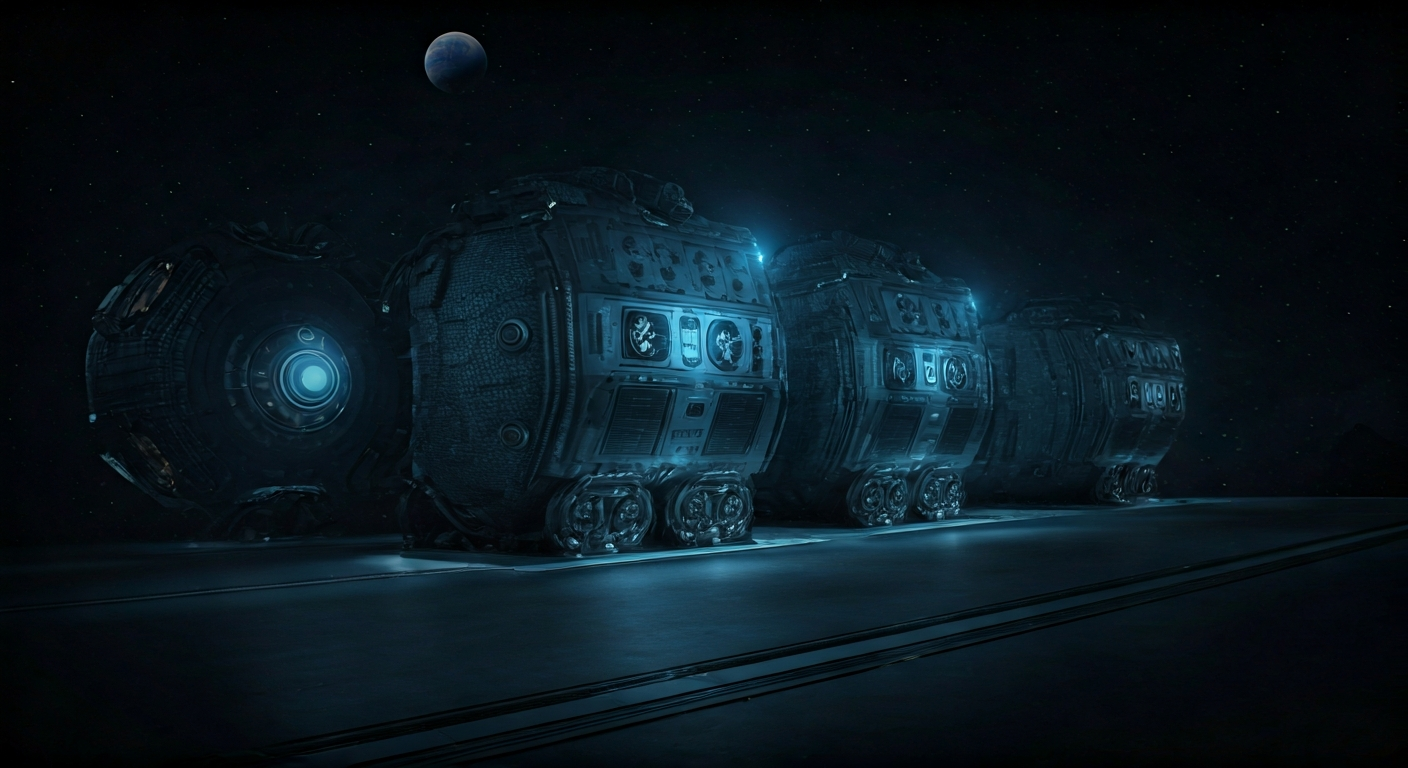
The Mars 500 mission, a groundbreaking simulation, tested the psychological and physiological effects of a long-duration spaceflight to Mars on a human crew.
The Mars 500 experiment aimed to replicate the conditions of a future mission to the Red Planet, meticulously simulating the journey, surface operations, and return trip. Six volunteers, confined within a specialized habitat in Moscow, endured a period of 520 days, designed to mirror the duration of a real Mars expedition.
The simulation focused on evaluating the crew's psychological well-being and physiological responses to prolonged isolation, confinement, and the stresses inherent in such an undertaking. This included monitoring their moods, social interactions, sleep patterns, and physical health throughout the extended mission.
During the simulated Mars surface stay, which lasted 105 days, the crew engaged in activities that mimicked extraterrestrial exploration. This involved simulated excursions outside the habitat, scientific experiments, and the challenges of operating in a remote and hostile environment, albeit within a controlled setting.
The Mars 500 project was a collaborative effort, involving scientific institutions and space agencies from several countries. Its primary goal was to gather crucial data that would inform the planning and execution of future human missions to Mars, identifying potential risks and developing strategies to mitigate them.
The Mars 500 simulation, by meticulously recreating the 520-day isolation and stresses of a Mars journey, offers invaluable data for the exponential expansion of human presence beyond Earth. Each day of this terrestrial analog represents a critical step in understanding and overcoming the biological and psychological hurdles to establishing a self-sustaining Martian civilization. The insights gained directly accelerate our trajectory towards becoming a multi-planetary species, proving that the complex challenges of deep space voyaging are surmountable through rigorous preparation and technological advancement, paving the way for humanity's cosmic future.
Edited by the news editor with AI and translated into English from the original report — please refer to the original source.