LightForce Revolutionizes Orthodontics with Custom 3D-Printed Brackets
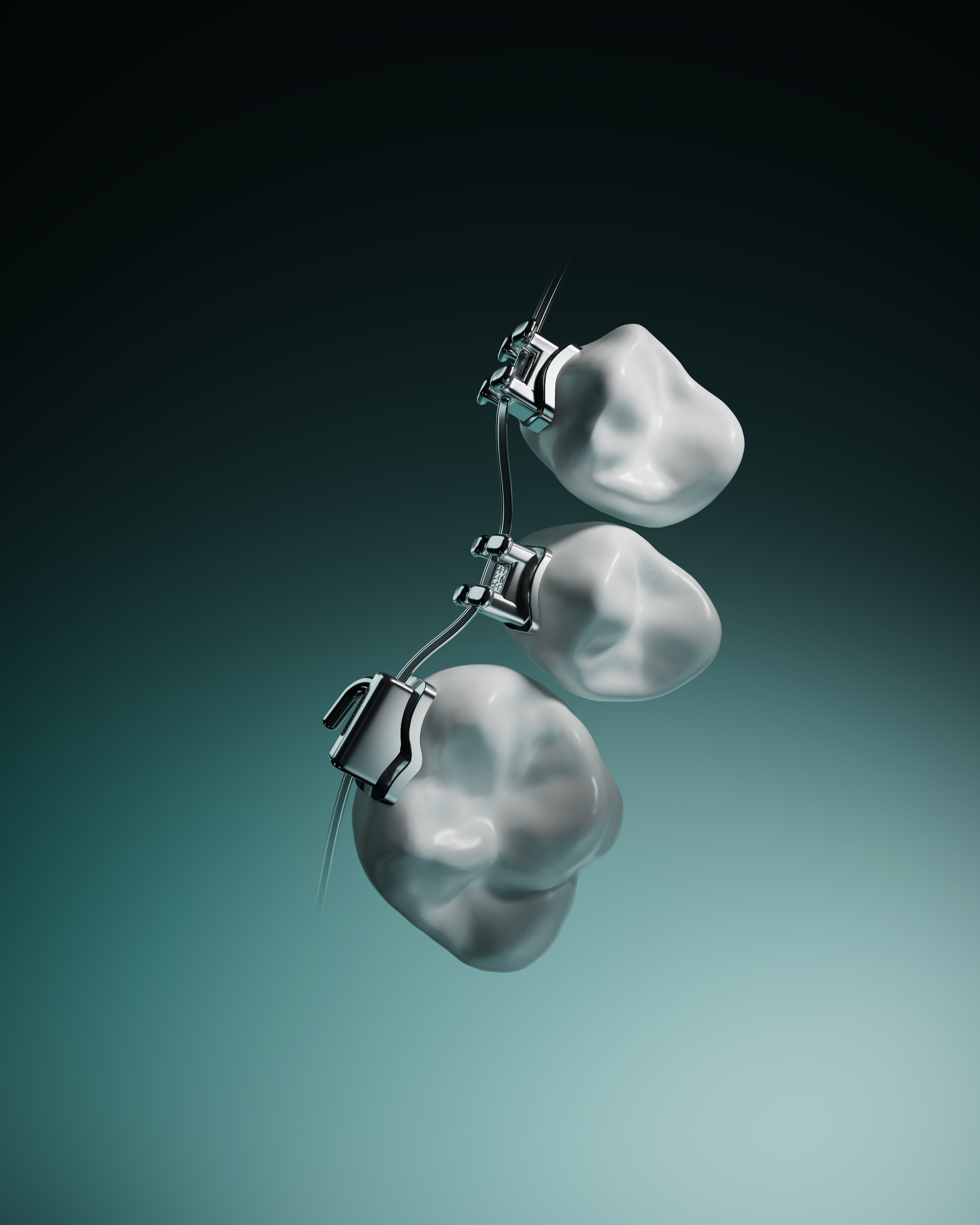
LightForce is shifting orthodontic treatment from standardized parts to patient-specific, 3D-printed brackets, potentially reducing treatment time and appointments.
For decades, the manufacturing of orthodontic braces has relied on producing millions of identical brackets. Orthodontists would then adjust these standard brackets on a patient's teeth over time to achieve the desired smile. This traditional method has persisted because the brackets themselves were not designed for individual patient anatomy. According to orthodontist Dr. Bryan Lockhart, a significant portion of an orthodontist's work involved post-application adjustments like repositioning brackets and bending wires.
LightForce aims to change this paradigm by creating a unique 3D-printed bracket for every tooth of every patient. This approach utilizes digital treatment planning and leverages both metal and ceramic 3D printing technologies. The process begins with a digital scan of the patient's teeth, which can be compatible with most intraoral scanners. LightForce then develops a digital treatment plan, which orthodontists can review and modify before approving for manufacturing.
Instead of producing a batch of uniform components, LightForce manufactures a complete set of custom brackets tailored to each patient's specific dental structure. This personalized prescription, as described by Dr. Lockhart, integrates much of the necessary planning directly into the brackets from the outset. Consequently, orthodontists may find less need for extensive post-application adjustments, potentially leading to fewer patient appointments and shorter overall treatment durations.
Furthermore, LightForce's custom brackets can streamline the bonding process, allowing all brackets to be applied simultaneously using a custom tray, rather than individually. This shift requires a manufacturing system capable of producing unique parts at scale. LightForce manufactures its ceramic and newly introduced metal brackets in-house in Wilmington, Massachusetts, directly printing metal brackets without the use of molds or casting patterns. The company emphasizes achieving precise tolerances of approximately 12 microns in its customized production.
LightForce's adoption of 3D printing for bespoke orthodontic brackets represents a significant move towards patient-specific medical devices. By digitizing the planning and manufacturing process, they are enabling mass customization in a field traditionally reliant on standardized components. This aligns with the broader additive manufacturing trend of creating complex, tailored geometries efficiently, which has implications for personalized medicine and advanced manufacturing across various sectors, including aerospace and healthcare.
Edited by the news editor with AI from the original report — please refer to the original source.