Laser-based bioprinting creates 3D multicellular cartilage spheroids
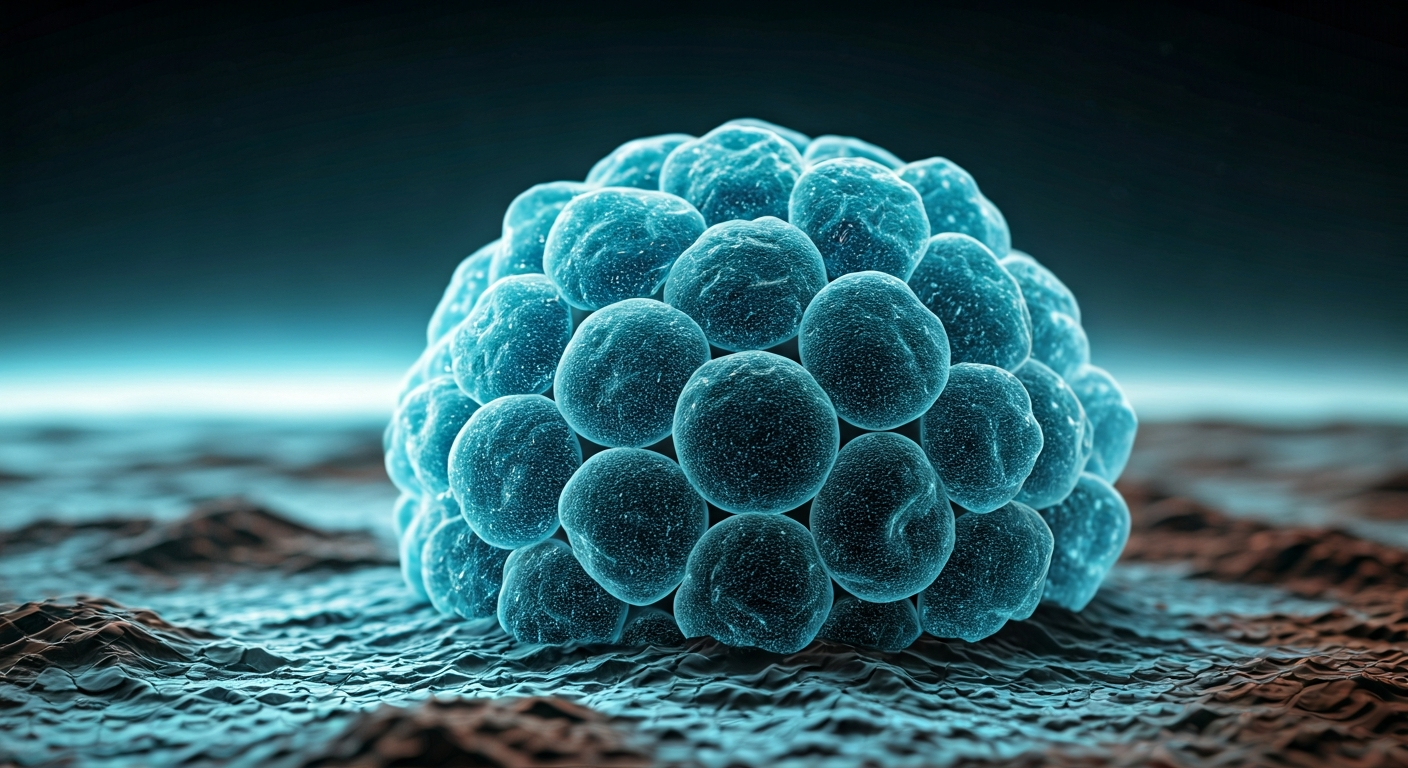
Researchers have developed a novel laser-based bioprinting technique to construct 3D multicellular cartilage spheroids, offering a new method for tissue engineering.
A new bioprinting method utilizing lasers has been developed to create three-dimensional multicellular cartilage spheroids. This technique allows for the precise arrangement of cells into complex structures, mimicking natural tissue organization.
The process involves using a laser to deposit and fuse cell-laden bioinks, enabling the formation of stable, organized spheroids. This approach offers advantages in controlling cell density and spatial distribution within the engineered construct.
Researchers believe this development could significantly advance the field of tissue engineering, particularly for cartilage repair and regeneration. The ability to create functional, 3D multicellular structures is a key challenge in developing effective tissue grafts.
This laser-based method provides a non-contact and precise way to handle delicate cells and bioinks, potentially reducing damage and improving cell viability during the printing process. The resulting cartilage spheroids could serve as building blocks for larger, more complex cartilage tissues.
This laser-based bioprinting technique represents a step forward in creating organized, multicellular tissue constructs. By precisely arranging cells into 3D spheroids, it addresses a key challenge in regenerative medicine. Such advancements are crucial for developing functional tissue replacements, with potential long-term applications in repairing damaged cartilage and exploring more complex tissue engineering strategies.
Edited by the news editor with AI from the original report — please refer to the original source.