JPL's 3D-Printed Titanium Spring Successfully Deploys in Orbit
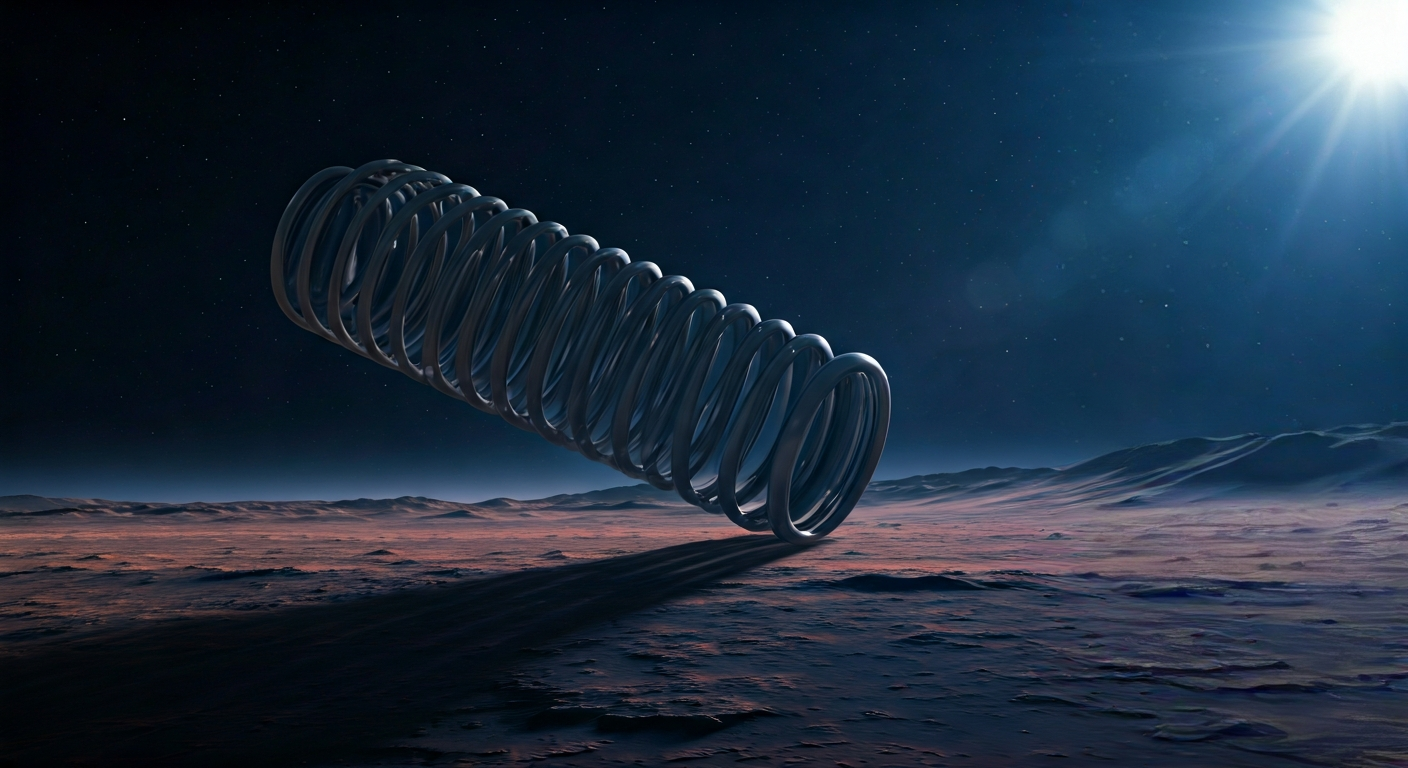
NASA's Jet Propulsion Laboratory (JPL) has successfully demonstrated a 3D-printed titanium spring in orbit, marking a significant achievement for additive manufacturing in space applications.
A 3D-printed titanium spring developed by NASA's Jet Propulsion Laboratory (JPL) has successfully deployed in orbit. This marks a critical validation for additive manufacturing technologies in the harsh environment of space.
The spring, constructed from titanium, was designed to meet stringent performance requirements for space missions. The successful deployment indicates that 3D-printed metal components can withstand the unique stresses and conditions encountered beyond Earth's atmosphere, including vacuum and extreme temperature fluctuations.
This development is part of a broader effort by JPL and NASA to explore and implement advanced manufacturing techniques for spacecraft. The ability to 3D print critical components like springs directly or for use in space missions offers potential advantages in terms of reduced mass, increased design flexibility, and potentially faster turnaround times for repairs or new hardware.
The successful orbital demonstration opens avenues for further integration of 3D-printed parts into future space exploration endeavors, potentially impacting everything from satellite construction to deep space probes.
The successful orbital deployment of a 3D-printed titanium spring by JPL highlights the increasing maturity of additive manufacturing for critical space applications. This validates the use of lightweight, complex metal components in extreme environments, reducing reliance on traditional manufacturing and enabling more agile design and potentially in-situ repairs. It aligns with the broader trend of leveraging AM for aerospace, including potential applications for future Mars missions.
Edited by the news editor with AI from the original report — please refer to the original source.