Japan announces Phobos sample return, China's Tianwen-3 Mars mission timeline confirmed
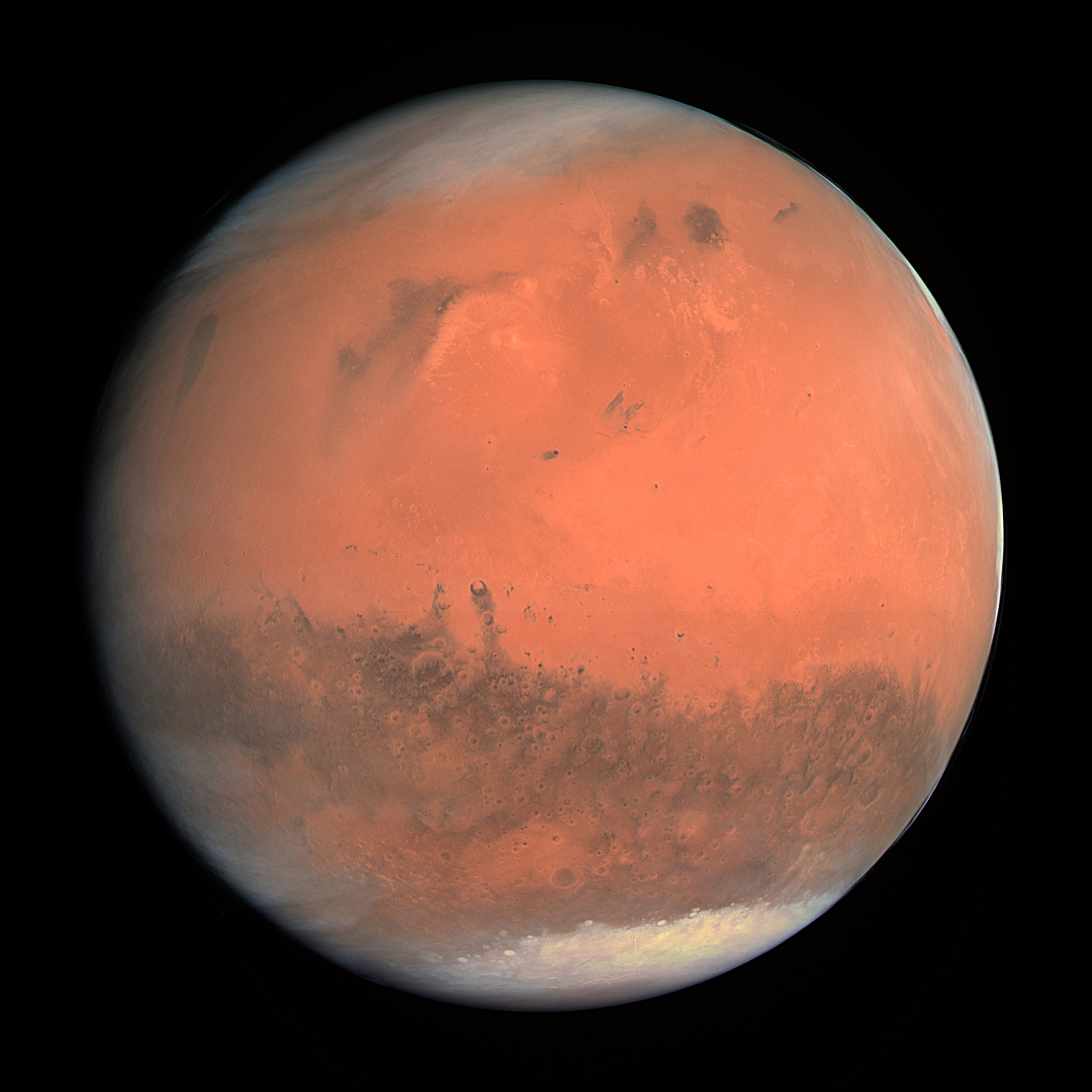
Japan has officially announced a mission to collect samples from Phobos, while China has set a timeline for its Tianwen-3 Mars sample return mission, raising questions about which task is more challenging.
Japan has officially announced its plan to conduct a sample return mission from Phobos, the larger of Mars' two moons. The mission, which will involve landing on Phobos and collecting surface material for return to Earth, marks a significant step in planetary exploration. This announcement comes as China has confirmed the timeline for its Tianwen-3 Mars sample return mission, which is expected to be launched in the early 2030s.
The challenges of both missions are considerable. Phobos is a small, irregularly shaped body with a weak gravitational field, making landing and takeoff operations complex. Additionally, the distance from Earth to Phobos is greater than the distance to Mars, which complicates communication and mission control. In contrast, the Tianwen-3 mission will focus on Mars, a planet with a well-documented surface and atmosphere, but with its own set of difficulties, including the need for a precise landing and the long journey through deep space.
Both missions represent major advancements in space exploration technology and scientific research. Sample return missions provide invaluable data about the composition and history of celestial bodies, offering insights into the formation of the solar system and the potential for life beyond Earth. The success of these missions could also pave the way for future human exploration of Mars and its moons.
As both nations push the boundaries of space exploration, the competition and collaboration between them may accelerate technological progress and deepen our understanding of the solar system.
The Phobos sample return mission and China's Tianwen-3 Mars mission represent critical steps toward mastering interplanetary travel and resource utilization. Phobos, with its low gravity and remote location, tests the limits of autonomous navigation and deep-space logistics. Tianwen-3, by contrast, focuses on Mars, a key target for long-term human settlement. Both missions demonstrate the accelerating pace of spacefaring capabilities, aligning with the vision of a multi-planetary civilization. As these missions succeed, they lay the groundwork for future expansion, making the dream of a self-sustaining human presence on Mars and beyond increasingly tangible.
Edited by the news editor with AI and translated into English from the original report — please refer to the original source.