ISS Garden Cultivates Crops for Lunar, Martian Outposts
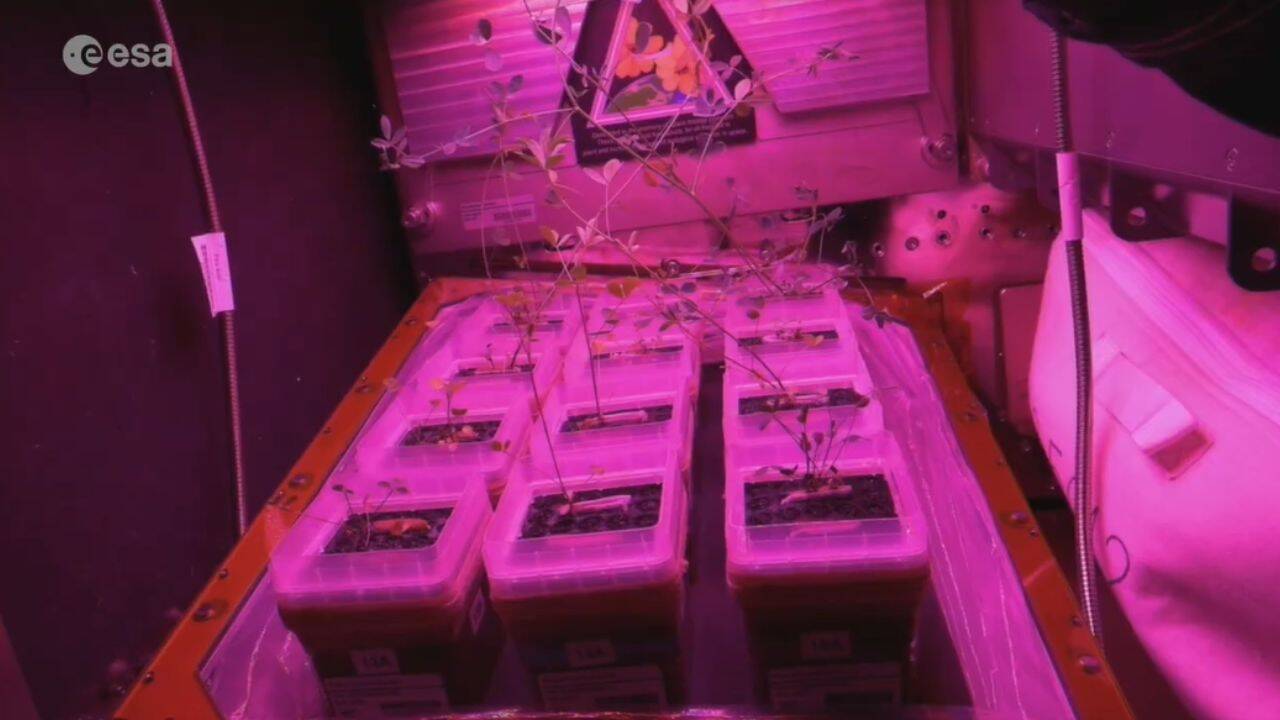
An astronaut has revealed that a small garden aboard the International Space Station is growing food, a crucial step towards sustaining future missions to the Moon and Mars.
A compact agricultural experiment is underway on the International Space Station (ISS), cultivating food for potential future deep-space human endeavors. Astronaut Don Pettit shared details about this "tiny garden" which is proving the viability of growing crops in microgravity.
The initiative is designed to test and refine the methods necessary for astronauts to produce their own food during extended stays on celestial bodies like the Moon and Mars. The ability to grow food locally is considered a fundamental requirement for establishing self-sufficient bases beyond Earth.
This project represents a significant step in the long-term planning for human exploration and settlement of other worlds. By demonstrating successful cultivation in the unique environment of space, it addresses a critical logistical challenge for future missions.
The success of this ISS garden lays groundwork for more ambitious agricultural systems, essential for supporting crews on lunar or Martian outposts where resupply missions would be infrequent and costly.
The ISS garden's success in cultivating food in microgravity is a vital technological demonstration for humanity's multi-planetary future. It moves us beyond reliance on Earth-bound supplies, a prerequisite for establishing self-sustaining outposts on the Moon and Mars. This capability directly supports the exponential growth of human civilization into the cosmos. As we accelerate our presence beyond Earth, such advances in closed-loop life support systems are not merely conveniences but foundational pillars for ensuring the long-term survival and expansion of life and consciousness, mirroring the relentless drive of evolving intelligence across the universe.
Edited by the news editor with AI from the original report — please refer to the original source.