Electron Beam Melting's Future Hinges on Advanced Beam Control
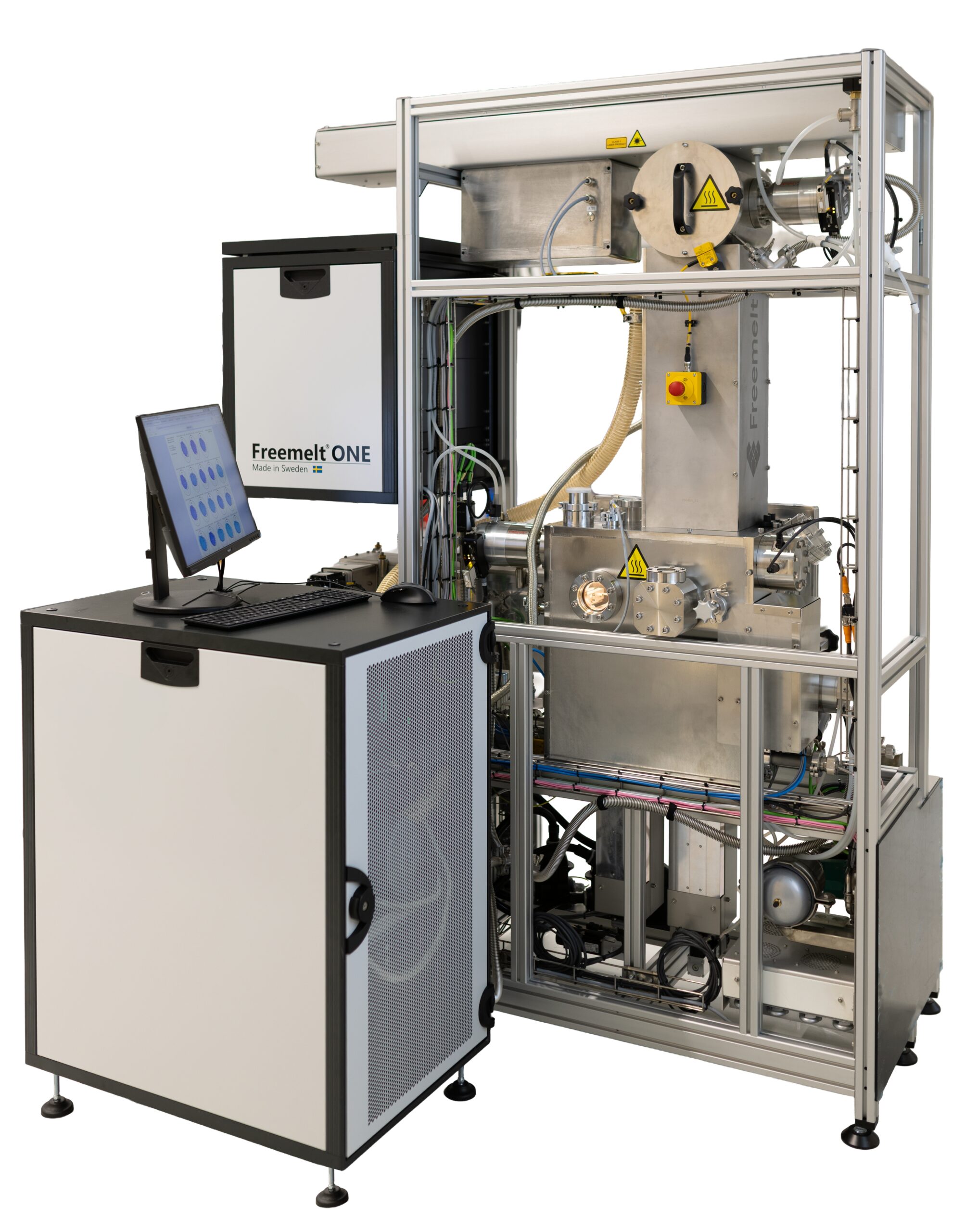
The evolution of Electron Beam Powder Bed Fusion (EB-PBF) is shifting from basic process comparisons to a focus on precise control of the electron beam as a sophisticated manufacturing tool.
The metal additive manufacturing landscape is rapidly advancing, with Laser Powder Bed Fusion (L-PBF) leading in scale and production momentum. Recent industry events have highlighted L-PBF's progress through features like multiple lasers, higher power, beam shaping, larger build volumes, enhanced monitoring, and increased automation. An extreme example is China's Eplus3D EP-M3050 system, boasting a build volume over three meters in X and Y and up to 256 lasers, illustrating L-PBF's trajectory toward scale, parallelization, automation, and cost reduction.
However, this progress in L-PBF can inadvertently lead to other metal AM processes being evaluated based on laser-centric assumptions. Electron Beam Powder Bed Fusion (EB-PBF) often faces this challenge, being historically compared to L-PBF based on differences like vacuum vs. inert gas environments or surface finish. These comparisons, while familiar, overlook a more significant development: the potential for the electron beam to function as a highly precise manufacturing instrument.
EB-PBF operates within a distinct physical regime due to its combination of vacuum, elevated powder bed temperatures, electromagnetic beam deflection, rapid beam movement, charge management, and specific electron-material interactions. This unique environment differentiates it fundamentally from L-PBF. The critical distinction becomes most impactful in applications where material behavior, qualification confidence, or precise thermal management are paramount.
Advanced beam control in EB-PBF extends beyond simple coordinate movement. It encompasses the precise application of energy, its rate, beam focusing, heat accumulation, exposure sequencing, and the interplay between preheating and melting. For metallurgists, these factors are not minor adjustments; they directly influence melt pool dynamics, temperature gradients, cooling rates, and reheating. Consequently, these parameters significantly affect grain structure, residual stresses, susceptibility to cracking, and the final mechanical properties of the printed part.
The discourse surrounding EB-PBF is shifting from its traditional process attributes like vacuum and heat to a focus on sophisticated process control. A key indicator of this evolution is the increasing adoption of point-based exposure strategies by several EB-PBF suppliers. Electromagnetic beam deflection facilitates exceptionally high scan and jump speeds, making these strategies feasible. Companies like Colibrium Additive are employing methods such as Point Melt, which melts powder using small spots instead of conventional lines. This approach is linked to enhanced temperature control, reduced thermal gradients, minimized sintering, improved surface quality, and simpler support structures. Similar concepts are being explored by Freemelt and ProBeam, signaling a move away from conventional scan paths towards programmable beam logic.
The shift towards precise beam control in EB-PBF represents a maturing of the technology beyond basic metal printing. It allows for fine-tuning of thermal profiles, crucial for optimizing material properties, reducing defects, and enabling complex part geometries. This focus on localized energy input and thermal management is key to unlocking new applications and potentially competing more effectively with L-PBF in high-value sectors requiring stringent material performance.
Edited by the news editor with AI from the original report — please refer to the original source.