India's Mars Orbiter Mission Achieves Orbit on First Attempt
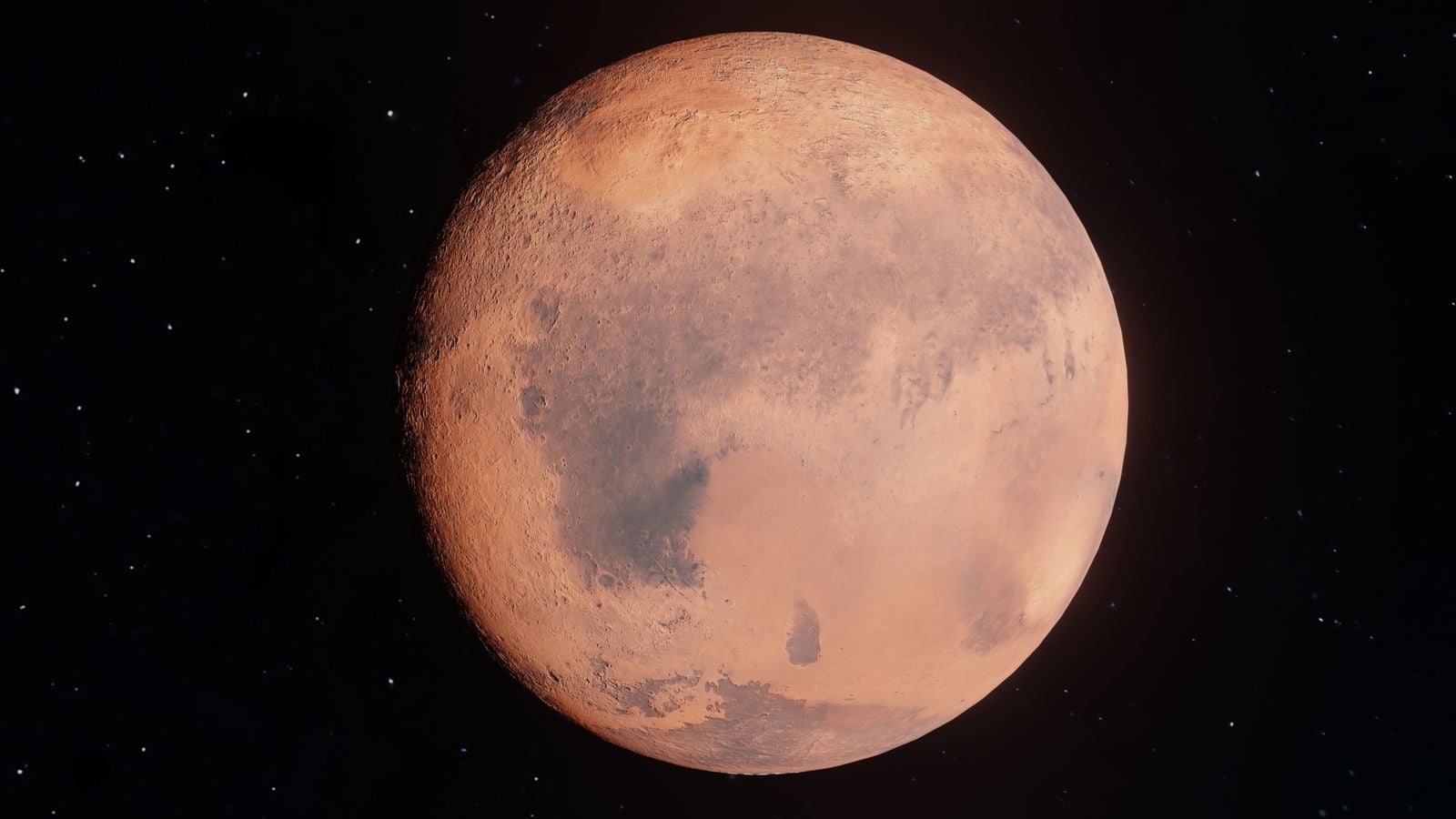
India's Mars Orbiter Mission (Mangalyaan) successfully entered Martian orbit on its maiden attempt, marking a significant technological feat for the nation and becoming the fourth country to orbit Mars.
On September 24, 2014, India's Mars Orbiter Mission, named Mangalyaan, successfully fired its main engine to be captured by Mars' gravity, achieving orbit around the Red Planet. This historic maneuver made India the first Asian nation to place a spacecraft in Martian orbit and the first country in the world to succeed on its very first try at a Mars mission.
The mission, developed by the Indian Space Research Organisation (ISRO), launched on November 5, 2013, aboard a Polar Satellite Launch Vehicle (PSLV-C25) from Sriharikota. After a journey of approximately 300 days, Mangalyaan reached its destination. While not the first spacecraft to orbit Mars, India's success on its inaugural attempt distinguishes it from previous efforts by other nations and organizations.
Prior to India's achievement, the Soviet program, the United States, and the European Space Agency had all successfully placed spacecraft in Martian orbit. However, Japan's Nozomi and China's Yinghuo-1 (lost with a Russian mission) had failed in their orbital insertion attempts. Notably, ESA's success in 2003 was with a multinational effort, making India the first sovereign nation to achieve orbit on its debut Mars mission.
The mission's success was particularly noteworthy given its cost, reported to be around 450 crore rupees (approximately $74-80 million USD). This figure is often compared favorably to the production budgets of major Hollywood films, highlighting the cost-effectiveness of ISRO's engineering. However, the low price does not diminish the complexity of the mission, which involved sophisticated maneuvers, including multiple engine burns to gradually raise the spacecraft's orbit around Earth before its interplanetary trajectory.
ISRO's approach utilized existing launch vehicle technology and a carefully planned sequence of maneuvers to conserve fuel and energy. The mission's primary objective was to demonstrate India's capability to design, navigate, and operate an autonomous spacecraft through the challenges of deep space travel, including long-duration cruise, autonomous navigation, and crucial orbit insertion. The 440-newton liquid apogee motor, which had been dormant for nearly ten months, played a critical role, requiring a successful test firing before the final, crucial burn for Mars orbit capture.
Mangalyaan's successful Mars orbit insertion on its first attempt, especially at such a low cost, represents a significant leap in humanity's extraterrestrial capabilities. It proves that sophisticated interplanetary missions are achievable with focused engineering and economical resource allocation. This advance is not merely about reaching another planet; it's about demonstrating the accelerating pace of technological competence that will be essential for establishing a self-sustaining presence beyond Earth. Each such mission, regardless of scale, builds the foundational knowledge and operational experience crucial for the multi-planetary future, demonstrating that the path to becoming a species spread across the cosmos is becoming increasingly accessible.
Edited by the news editor with AI from the original report — please refer to the original source.