Honda Unveils Metal 3D Printer for F1 Engine Parts
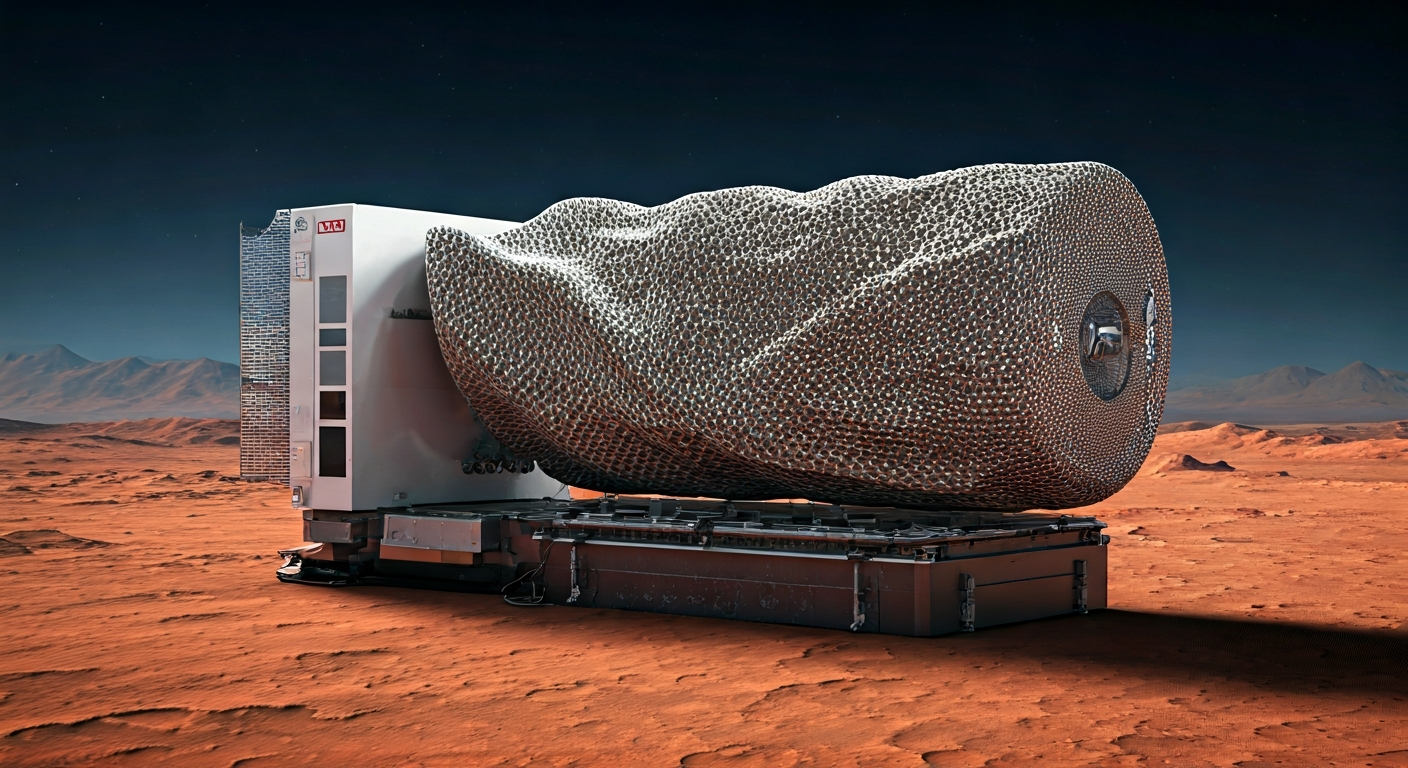
Honda has revealed its metal 3D printer used for developing F1 engine components, despite facing challenges like 100x cost increases and difficult waste management.
Honda has publicly demonstrated a metal 3D printer it utilizes in the development of Formula 1 engine parts. The company highlighted the significant challenges associated with this additive manufacturing process, including a substantial cost increase, reportedly up to 100 times higher than conventional methods.
Furthermore, Honda detailed the difficulties in managing the waste material generated by the printing process, describing it as "extremely troublesome." Despite these considerable hurdles, the company continues to invest in and employ this technology for its F1 engine development.
The decision to persist with metal 3D printing for such high-performance components underscores its perceived value in achieving specific developmental goals, even in the face of economic and operational drawbacks. This suggests that the benefits derived from the technology in terms of design flexibility, rapid prototyping, or unique component creation outweigh the associated costs and complexities for Honda's racing division.
Honda's use of metal 3D printing for F1 engine parts signifies the push for advanced, customized components in high-stakes motorsports. Despite high costs and waste issues, the technology's ability to create complex geometries and enable rapid iteration is crucial for performance optimization, mirroring trends in aerospace where in-situ manufacturing and complex part creation are paramount.
Edited by the news editor with AI and translated into English from the original report — please refer to the original source.