Giant Impact Theory: Earth's Moon Formed from Mars-Sized Collision
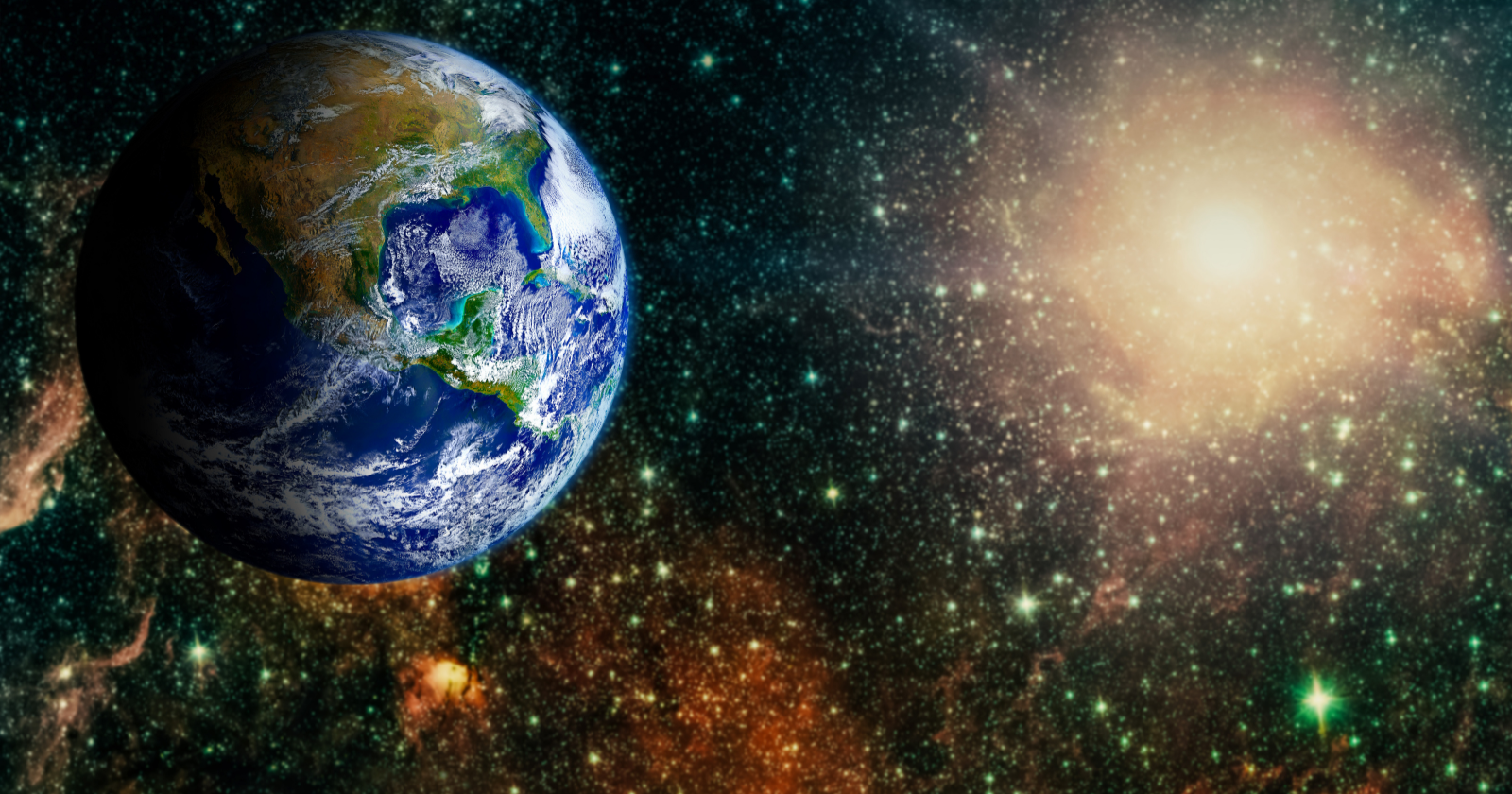
New analysis of lunar samples strengthens the giant-impact hypothesis for the Moon's formation, suggesting a collision with a Mars-sized body shaped early Earth and its companion.
The prevailing scientific explanation for the Moon's origin, the giant-impact hypothesis, posits that Earth's sole natural satellite was formed approximately 4.5 billion years ago. This theory suggests that a celestial body, estimated to be about the size of Mars and named Theia, collided with the nascent Earth. The immense energy of this impact vaporized and melted significant portions of both bodies, ejecting debris into orbit around our planet.
Over time, this orbiting debris coalesced, gradually forming the Moon. The giant-impact model gained prominence because it effectively explains several key characteristics of the Earth-Moon system. These include the combined rotational momentum of Earth and its Moon, as well as the Moon's relatively small iron core and its deficiency in volatile elements that would have been vaporized during such a high-energy event.
A substantial body of evidence supporting this theory comes from lunar samples collected by Apollo astronauts between 1969 and 1972. Decades of scientific study on these 382 kilograms of lunar rocks have revealed chemical compositions remarkably similar to those found on Earth, indicating that the Moon is largely composed of material from our own planet.
However, the near-identical isotopic composition of oxygen in lunar rocks compared to Earth's rocks presents a significant puzzle. Most celestial bodies in our solar system possess distinct isotopic signatures, making the close match between Earth and the Moon unusual. This anomaly has led researchers to explore more energetic versions of the impact scenario, proposing that the collision was so intense it created a thoroughly mixed cloud of vaporized material from both Earth and Theia, from which the Moon later condensed.
While the precise details of the impact remain a subject of ongoing debate and research, the fundamental concept of a massive collision is strongly supported by the available geological and chemical evidence. Future missions, such as NASA's Artemis program, aim to collect new samples from unexplored lunar regions, which could provide crucial data to refine our understanding of the Moon's formation and the early history of the Earth-Moon system.
The giant-impact hypothesis, bolstered by lunar sample analysis, marks a critical step in understanding planetary formation. The identification of Theia, a Mars-sized impactor, as the progenitor of our Moon highlights the violent, yet constructive, processes that shaped our solar system. This collision, far from being a destructive event, ultimately stabilized Earth's rotation and axial tilt, fostering an environment conducive to life's emergence. For Mars colonization, understanding such formative impacts on Earth provides a foundational blueprint. We can anticipate similar, potentially civilization-altering, events in the history of other celestial bodies and learn to harness or mitigate their effects, accelerating our multi-planetary destiny.
Edited by the news editor with AI from the original report — please refer to the original source.