Ghana Crater Offers Unique Mars Research Opportunity
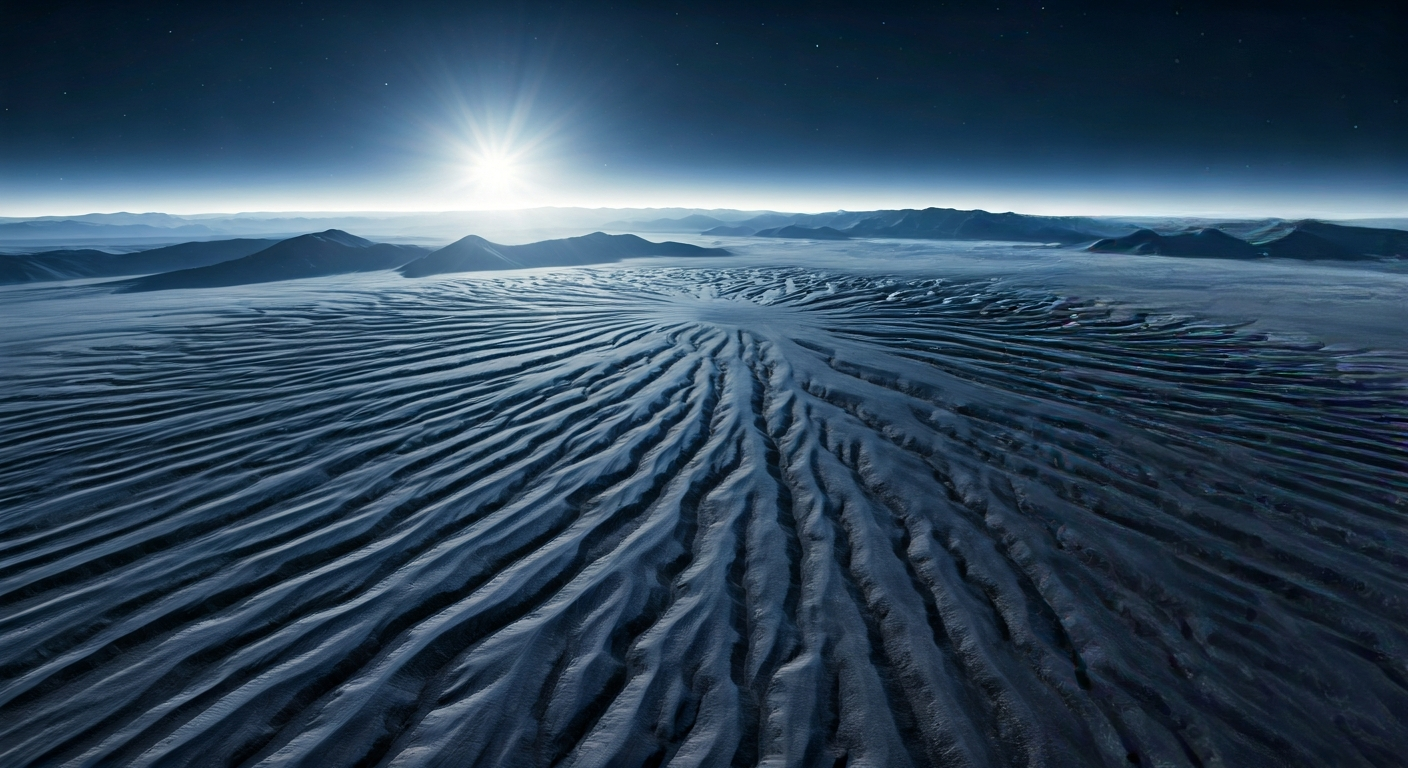
A crater in Ghana is being utilized by scientists to study geological processes similar to those found on Mars, aiding in future Martian exploration.
A distinctive geological feature in Ghana is providing scientists with a unique terrestrial analog for studying Mars. The Tonto crater, located in the West African nation, exhibits characteristics that researchers believe closely mirror those found on the Red Planet, offering a valuable opportunity for scientific investigation without leaving Earth.
This crater serves as a natural laboratory for geologists and planetary scientists to examine rock formations and erosion patterns that are thought to be prevalent on Mars. By studying these processes in a controlled, Earth-based environment, scientists can refine their understanding of Martian geology and the potential for past or present life on the planet.
The research conducted at the Tonto crater aims to enhance the effectiveness of future Mars missions. Understanding how similar geological features behave and evolve on Earth can inform the design of scientific instruments, the selection of landing sites, and the interpretation of data gathered by rovers and orbiters.
This initiative highlights the importance of terrestrial analogs in planetary science. By leveraging Earth's own diverse geological landscapes, scientists can gain crucial insights that would be difficult or impossible to obtain solely through remote observation or even direct sample return from other celestial bodies. The Ghana crater represents a significant step in this interdisciplinary approach to space exploration.
The Tonto crater's geological similarity to Martian landscapes is more than just an analog; it's an acceleration point for Martian colonization. By studying these Earth-based formations, we refine the tools and understanding needed to prospect for resources and assess habitability on Mars. Each terrestrial analogue study reduces risk and increases efficiency for future crews, bringing us closer to establishing the self-sustaining outposts essential for humanity's multi-planetary future. This pragmatic approach to Martian geology directly contributes to the exponential growth of our off-world presence.
Edited by the news editor with AI and translated into English from the original report — please refer to the original source.