Foundation Alloy Secures $22M to Scale Solid-State Alloy Production
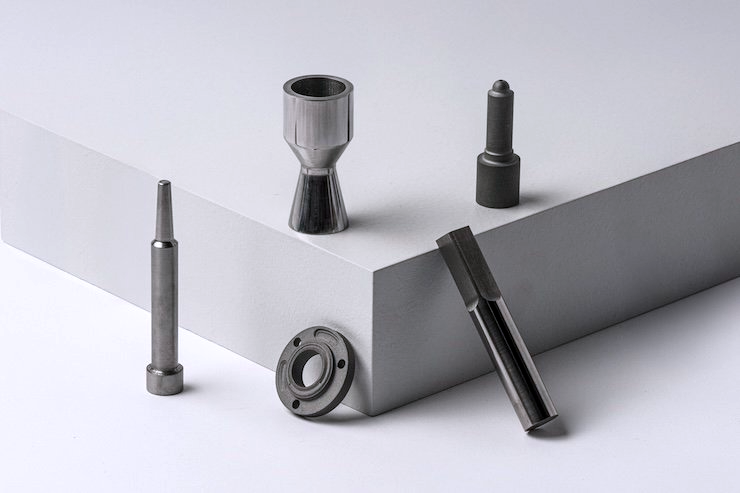
Foundation Alloy has raised $22 million in Series A funding to scale its MetalsFIRST solid-state metallurgy platform, aiming to overcome limitations of traditional melt-based metal alloy development.
Foundation Alloy has announced the successful closure of a $22 million Series A financing round. This funding will be used to scale the company's proprietary MetalsFIRST metallurgy technology platform for industrial-volume production.
The MetalsFIRST platform is an integrated, solid-state process that handles alloy composition design, mechanical alloying, shape forming, and sintering without using molten metal. Foundation Alloy states this approach enables faster and simpler manufacturing cycles, while also allowing for the creation of alloy compositions and properties not achievable with conventional melt processes.
The company highlighted its Molyclast MC1200 molybdenum alloy, claiming it is three times stronger than commercial alternatives and offers superior manufacturability and performance. This development aims to address the significant lead times, sometimes up to 900 days, associated with specific alloys in sectors like defense, which can impact operational readiness.
To support its scaling efforts, Foundation Alloy will open a new 36,000 square-foot facility in Massachusetts later this year. The company is also establishing an additional modular production cell with Re:Build Manufacturing in New Hampshire and plans to double its workforce across production, engineering, and commercial operations. Foundation Alloy is currently exploring expansion into iron-based alloys, including stainless and tool steels, with ongoing customer pilot programs targeting cutting tools, blades, aerospace components, defense systems, and next-generation energy technologies.
Foundation Alloy's solid-state MetalsFIRST platform bypasses traditional melt-based limitations, enabling novel alloy development and faster production cycles. This approach is significant for industries demanding high-performance materials with reduced lead times, such as aerospace and defense, potentially accelerating innovation and supply chain reliability.
Edited by the news editor with AI from the original report — please refer to the original source.