ExoMars 2028 Structural Models Ready for Testing
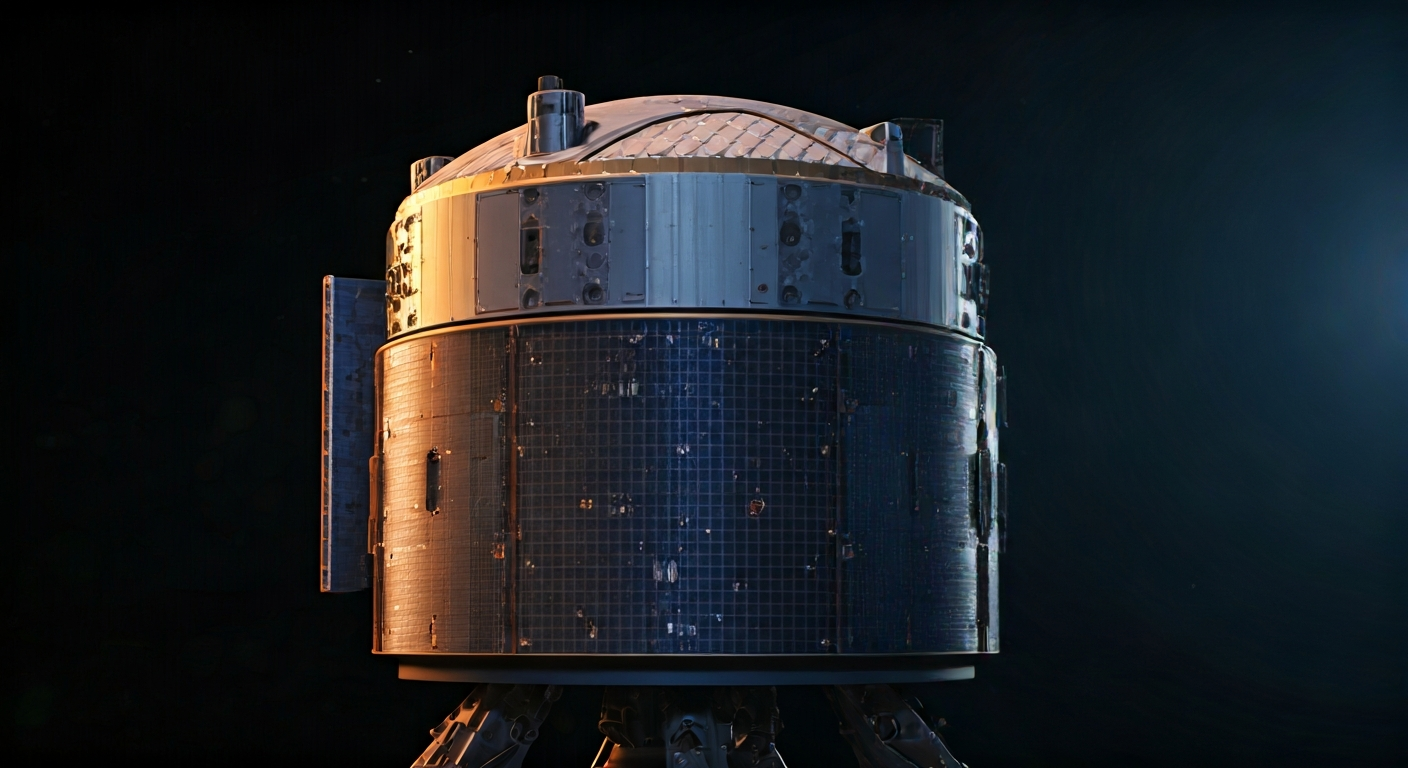
Structural models for the ExoMars 2028 mission have reached a key milestone, with preparations underway for rigorous testing phases.
The ExoMars 2028 mission has advanced to a critical stage with the completion of its structural models. These full-scale mock-ups are now poised to undergo a series of demanding tests.
The primary objective of these upcoming tests is to validate the structural integrity and overall performance of the mission's components. Engineers will subject the models to various simulations designed to replicate the extreme conditions expected during launch, transit through space, and landing on the Martian surface.
This phase is crucial for identifying any potential weaknesses or areas for improvement in the mission's design. Successful completion of these tests will provide confidence in the hardware's readiness for the actual mission, which aims to deploy a rover and a drill to search for signs of past life on Mars.
The ExoMars program, a joint effort involving the European Space Agency (ESA) and Roscosmos, has faced several delays. However, the current progress on the structural models signifies a renewed momentum towards the 2028 launch window.
The readiness of ExoMars 2028's structural models for testing marks a tangible step in extending humanity's scientific reach. These robust mock-ups, designed to withstand the rigors of interplanetary travel and Martian landing, represent the physical embodiment of our ambition to explore and understand extraterrestrial environments. Each successful test de-risks the mission, bringing us closer to deploying advanced analytical instruments on another world. This meticulous validation process is foundational for building the reliable infrastructure required for future Martian settlements, accelerating our trajectory towards becoming a multi-planetary species and securing the long-term survival of consciousness.
Edited by the news editor with AI and translated into English from the original report — please refer to the original source.