ETH Zurich students test 3D-printed copper rocket engine
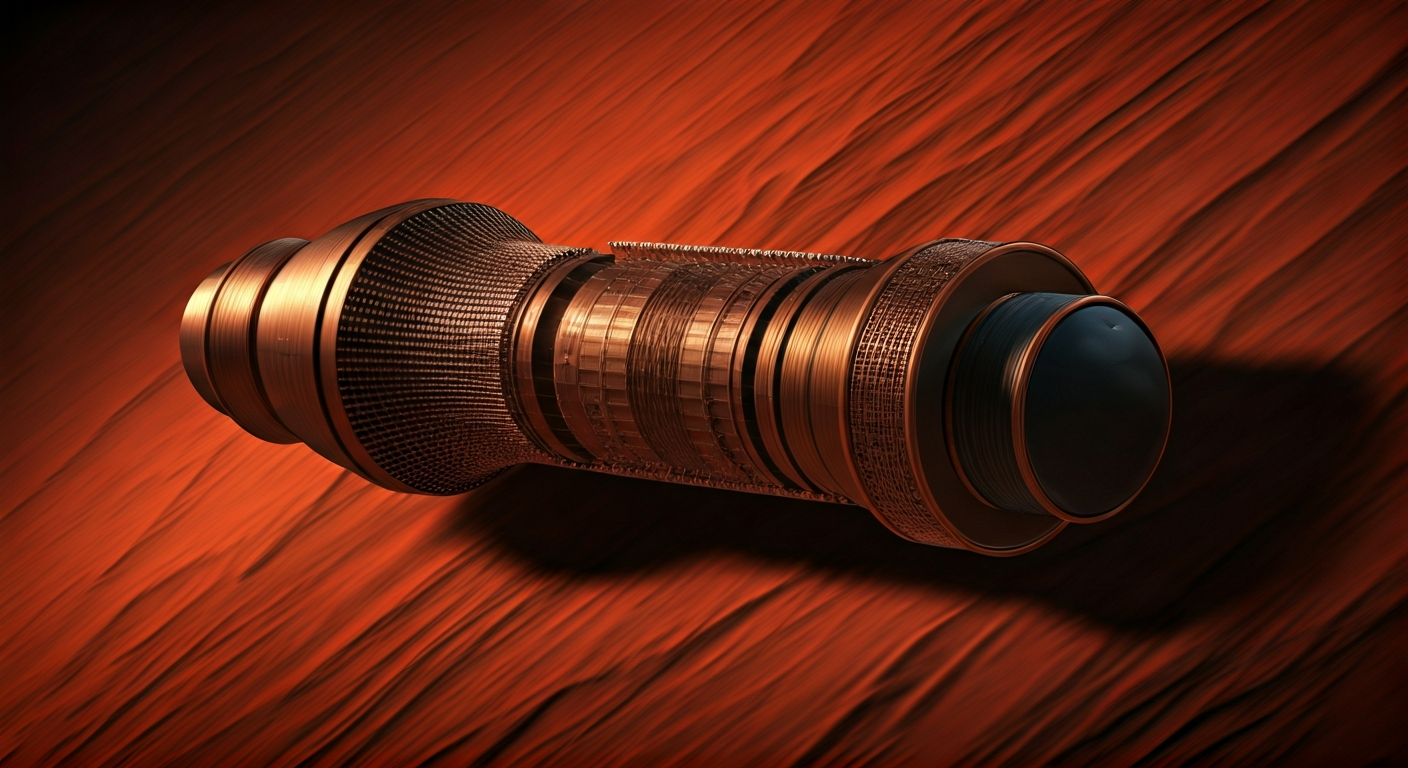
A student team from ETH Zurich has successfully tested a 3D-printed copper rocket engine designed for detonation combustion.
A student group from ETH Zurich has conducted a test of a 3D-printed rocket engine, notable for its construction from copper and its design for detonation combustion.
The project, undertaken by the students, focused on the additive manufacturing of a rocket engine component. The choice of copper as the material is significant due to its excellent thermal conductivity, a crucial property for managing the extreme heat generated during rocket engine operation.
The engine was specifically engineered for detonation combustion, a process that differs from traditional deflagration used in many rocket engines. Detonation combustion, which involves supersonic combustion waves, can potentially offer higher efficiency and performance.
This development highlights the growing use of additive manufacturing in the aerospace sector, enabling the creation of complex geometries and the utilization of advanced materials for propulsion systems. The successful testing of this 3D-printed copper engine by students demonstrates the practical application and potential of these technologies in rocketry.
This development showcases the application of additive manufacturing for high-performance aerospace components. Using 3D printing to create a copper engine for detonation combustion allows for complex internal cooling channels and optimized geometries. This advancement contributes to the broader trend of using AM for lighter, more efficient, and potentially in-situ producible rocket engines, relevant for space exploration and future missions.
Edited by the news editor with AI and translated into English from the original report — please refer to the original source.