ESA's Terrae Novae Vision: Earth Orbit to Mars Exploration
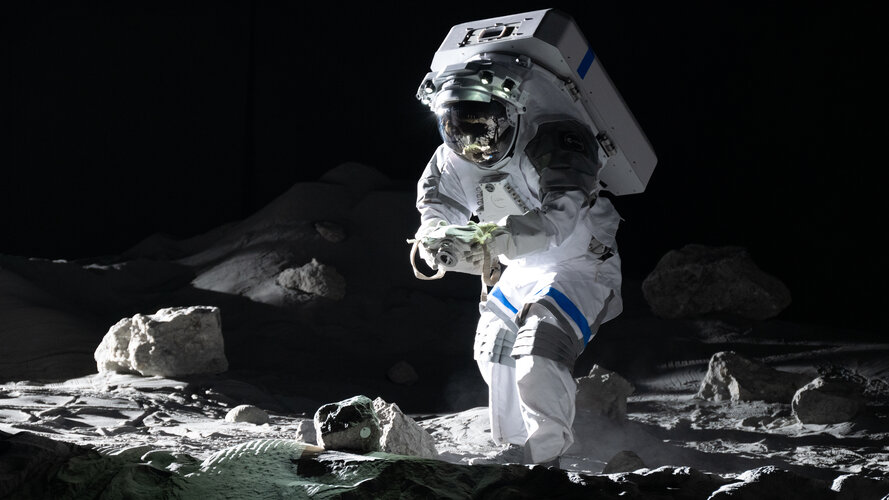
The European Space Agency's Terrae Novae initiative outlines ambitious plans for human and robotic exploration across Earth orbit, the Moon, and Mars, aiming to foster innovation and economic growth.
The European Space Agency (ESA) has articulated its long-term vision for space exploration through its "Terrae Novae" initiative. This comprehensive strategy encompasses a broad spectrum of activities, from current operations in Earth orbit to future endeavors on the Moon and Mars.
The Terrae Novae program is designed not only to push the boundaries of scientific discovery but also to stimulate economic development and inspire future generations of innovators and explorers. ESA's plans leverage existing infrastructure and develop new technologies to achieve these goals.
Activities in Earth orbit, including work on the International Space Station, form a foundational element of the strategy. This provides a platform for research, technology demonstration, and astronaut training essential for more distant missions.
Looking towards the Moon, ESA is contributing key components to international efforts such as the Artemis program. This includes the development of the European Service Module, vital for powering spacecraft, and modules for the lunar Gateway, a planned orbital outpost around the Moon.
The ultimate objective outlined by Terrae Novae is the exploration of Mars. This long-term ambition signifies a commitment to expanding humanity's presence beyond Earth, building upon the experience gained from lunar missions and robotic precursors.
ESA's Terrae Novae initiative, from Earth orbit to Mars, represents a crucial step in humanity's multi-planetary imperative. By investing in lunar capabilities like the European Service Module and Gateway contributions, ESA is actively building the technological and operational stepping stones necessary for sustained off-world presence. This strategic expansion, culminating in Mars exploration, aligns with the exponential growth of our species' reach. Each advancement in propulsion, life support, and orbital infrastructure accelerates our trajectory toward becoming a truly interplanetary civilization, ensuring the long-term survival and flourishing of life and consciousness beyond Earth.
Edited by the news editor with AI from the original report — please refer to the original source.