ESA Explores 3D-Printed Metal for Space Applications
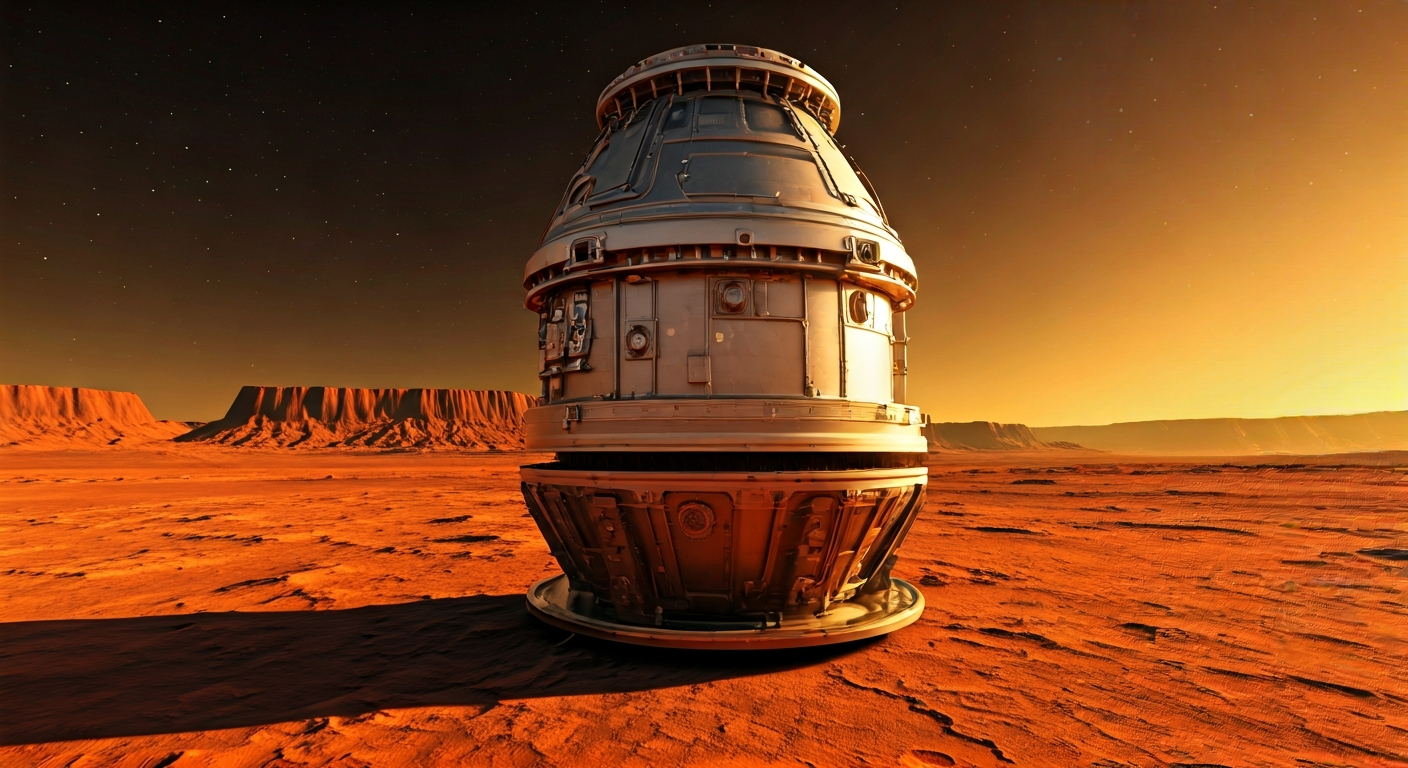
The European Space Agency (ESA) is investigating the use of 3D-printed metal components, aiming to reduce costs and lead times for space missions.
The European Space Agency (ESA) is actively exploring the potential of 3D-printed metal for various space applications. This advanced manufacturing technique offers a pathway to significantly reduce production costs and shorten the lead times typically associated with creating complex space-grade components.
By utilizing additive manufacturing, ESA aims to overcome traditional limitations in design and production. This allows for the creation of intricate geometries and integrated functionalities that are often difficult or impossible to achieve with conventional manufacturing methods. The agency is looking at how these capabilities can be leveraged to build more efficient and lighter spacecraft.
ESA's interest extends to the possibility of in-situ resource utilization (ISRU) for future missions. The ability to 3D print metal parts on celestial bodies, using locally sourced materials, could revolutionize long-duration space exploration by reducing the need to transport heavy equipment and spare parts from Earth. This would enable greater self-sufficiency for astronauts and robotic missions.
The development and qualification of 3D-printed metal parts for space are crucial steps. ESA's work in this area involves rigorous testing and validation to ensure that these components meet the stringent reliability and performance standards required for the harsh environment of space.
3D-printed metal is a significant advancement for the aerospace sector, enabling lighter, more complex, and potentially cheaper components. For ESA, this technology is key to reducing mission costs and enabling ambitious future endeavors, including potential in-situ manufacturing on the Moon or Mars. It aligns with the broader additive manufacturing push for optimized designs and supply chain resilience in demanding environments.
Edited by the news editor with AI from the original report — please refer to the original source.