ESA Demonstrates 3D-Printed Metal for Autonomous Spacecraft Repair
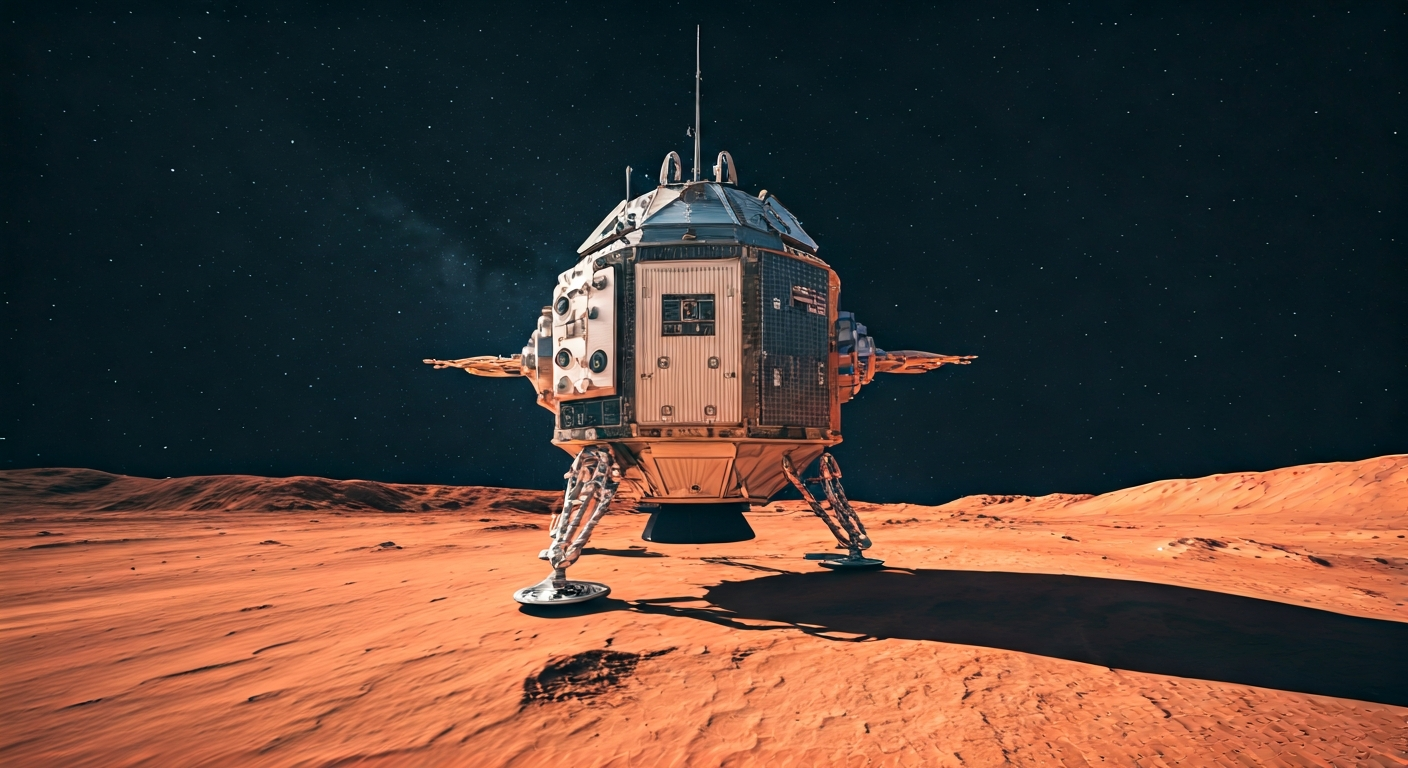
The European Space Agency is developing 3D-printed metal technology to enable astronauts to repair spacecraft autonomously, reducing reliance on Earth-based support.
The European Space Agency (ESA) is advancing 3D-printed metal technology as a key component in enhancing crew autonomy for future space missions. This development aims to empower astronauts to perform critical repairs and manufacturing tasks directly on spacecraft, thereby minimizing dependence on Earth for spare parts and technical assistance.
The technology involves using advanced metal 3D printing techniques that can operate in the demanding environment of space. The goal is to create a system where astronauts can fabricate necessary components on-demand, whether for routine maintenance or emergency repairs. This capability is crucial for long-duration missions, such as lunar bases or Mars expeditions, where resupply missions are infrequent and costly.
ESA's initiative focuses on developing robust and reliable printing systems that can handle various metal alloys. The ability to print complex geometries with high precision is essential for producing functional parts that can seamlessly integrate into existing spacecraft systems. This could range from small, intricate components to larger structural elements.
By providing astronauts with the tools and materials to perform in-situ manufacturing, ESA seeks to significantly increase mission resilience and operational flexibility. This move towards greater self-sufficiency is a fundamental step in making ambitious, long-term space exploration feasible and sustainable.
This development in metal 3D printing directly addresses the need for in-situ resource utilization and repair capabilities in space. By enabling autonomous component fabrication, it significantly reduces mission risk and logistical overhead for long-duration endeavors, aligning with the broader additive manufacturing push for increased efficiency and reduced reliance on traditional supply chains, particularly relevant for deep space exploration.
Edited by the news editor with AI from the original report — please refer to the original source.