ESA Confirms Mars Has Darkened Significantly Since Viking Era
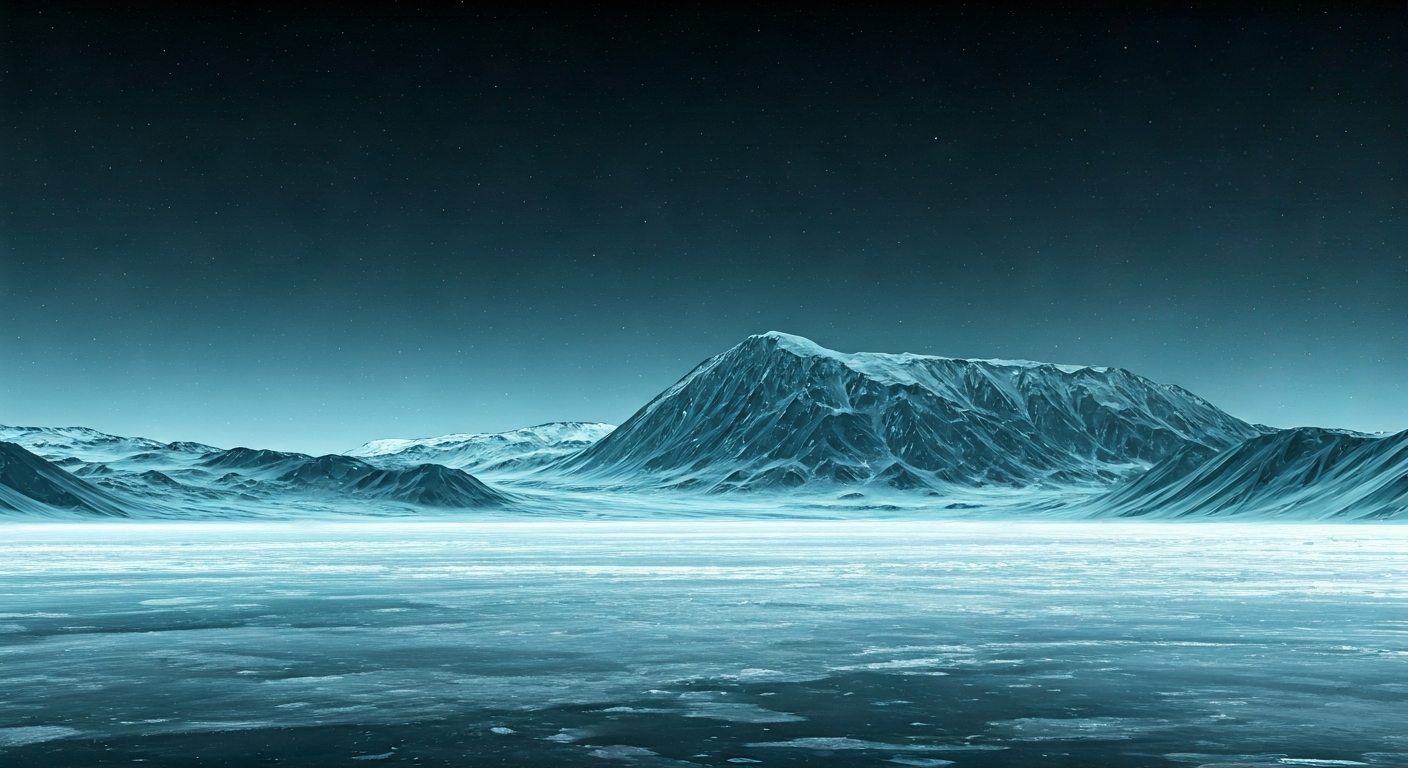
New ESA imagery reveals a notable darkening of the Martian surface, a change not observed in images taken by NASA's Viking missions half a century ago.
The European Space Agency (ESA) has captured new images of Mars, providing a stark comparison to data gathered by NASA's Viking missions approximately fifty years prior. These latest observations indicate a significant darkening of the planet's surface.
The Viking missions, which orbited Mars in the 1970s, provided initial detailed photographic evidence of the Red Planet. Decades later, ESA's instruments have revisited these same regions, revealing a distinct shift in coloration. The extent of this darkening suggests a substantial change has occurred across large areas of the Martian landscape.
While the specific causes for this observed darkening are not detailed in the provided information, such a change could be attributed to various geological or atmospheric processes. These might include the accumulation of darker dust particles, alterations in mineral composition due to weathering, or shifts in surface reflectivity over time.
This comparative analysis between historical and contemporary data offers valuable insights into the dynamic nature of Mars. Understanding these planetary changes is crucial for ongoing scientific research and future exploration efforts, providing a baseline for assessing geological evolution and potential environmental shifts on the planet.
The ESA's observation of Mars darkening since the Viking era underscores the planet's dynamic evolution, a key factor for long-term settlement. This spectral shift, though seemingly subtle, hints at ongoing geological processes that could impact future resource utilization and habitat construction. As we advance toward becoming a multi-planetary species, understanding and adapting to such planetary changes becomes paramount. This data informs our strategies for ensuring self-sustaining Martian civilization, demonstrating that even seemingly static worlds are alive and evolving, demanding continuous observation and technological adaptation for our species' cosmic expansion.
Edited by the news editor with AI and translated into English from the original report — please refer to the original source.