ESA and Caracol Test AI Monitoring for Large-Scale Orbital 3D Printing
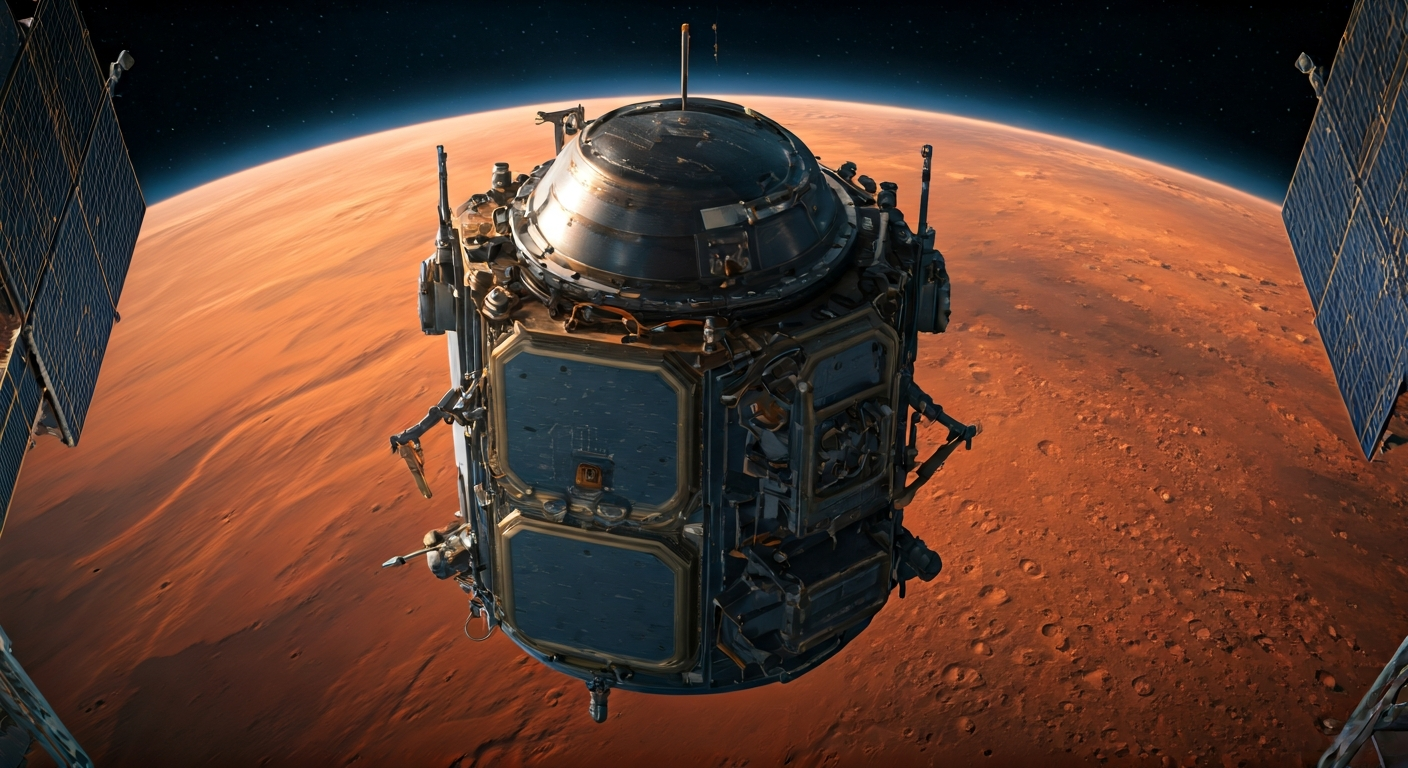
The European Space Agency (ESA) and Caracol are collaborating on a new AI-powered monitoring system for large-format robotic 3D printing in space.
The European Space Agency (ESA) and the additive manufacturing company Caracol are jointly developing and testing an artificial intelligence (AI) based monitoring system. This system is designed to oversee large-format robotic 3D printing processes intended for use in orbit.
The goal of this collaboration is to enhance the reliability and quality of additive manufacturing operations in the challenging environment of space. The AI system will analyze real-time data from the printing process to detect and potentially correct any anomalies or deviations from the intended build parameters.
This development is part of a broader initiative to enable in-space manufacturing, which could significantly reduce the cost and complexity of space missions by allowing components to be produced on demand rather than being launched from Earth. The ability to perform large-scale 3D printing in orbit opens up possibilities for constructing larger structures, habitats, or in-space servicing equipment.
Caracol's expertise in robotic additive manufacturing, combined with ESA's extensive experience in space technology, aims to create a robust and autonomous printing solution. The AI monitoring is a crucial step towards achieving this, ensuring that printed parts meet stringent space-grade requirements.
This development is significant for in-space manufacturing, particularly for large structures. The AI monitoring addresses a key challenge in orbital 3D printing: ensuring quality and reliability without constant human oversight. This technology could be vital for future space exploration, enabling the construction of habitats, large antennas, or even in-situ resource utilization facilities on the Moon or Mars.
Edited by the news editor with AI and translated into English from the original report — please refer to the original source.