EOS Joins EU Consortium for Hydrogen Economy Material Research
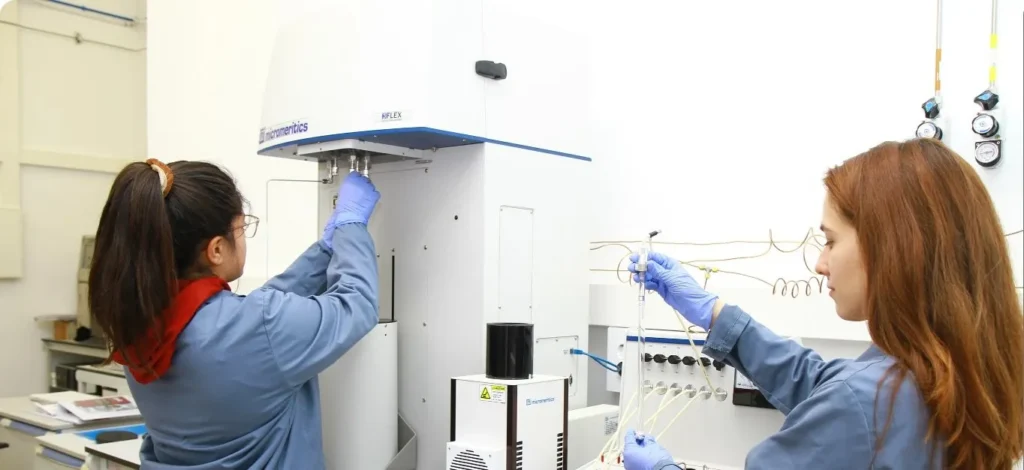
EOS is participating in the EU-funded MAT-H2 consortium, which is researching the use of metals, coatings, and manufacturing processes in hydrogen environments to develop robust components for a hydrogen-led economy.
EOS, a leading provider of metal 3D printing systems, has announced its membership in the MAT-H2 consortium. This European Union-funded initiative is dedicated to advancing research for a hydrogen-based economy, exploring hydrogen as a clean energy source for industrial applications and transportation.
The consortium's primary focus is to understand how various materials, coatings, and manufacturing techniques perform when exposed to hydrogen. The ultimate goal is to engineer components capable of withstanding prolonged hydrogen exposure without compromising their structural integrity or reliability.
EOS will collaborate with a diverse group of industry and research partners, including coating specialist Teknos, stainless steel fastener company Bumax, resistant stainless steel firm Spstainless, high-strength steel provider SSAB, engine manufacturer Wartsila, research institute VTT, transport company Nordic Tank, and the University of Oulu. Many of these are Finnish companies, reflecting the origins of EOS's metal powder bed fusion technology.
Paula Kainu, Industrial Manager Energy at EOS, highlighted the importance of additive manufacturing in this endeavor. "Hydrogen will play an important role in the future energy landscape, but its successful adoption depends on solving complex material challenges," she stated. "Additive manufacturing is a key enabler in this process, creating new opportunities to develop, test, and optimize materials and components for hydrogen environments with greater speed and flexibility."
A significant challenge being addressed is hydrogen embrittlement, a phenomenon where metals absorb hydrogen, leading to increased brittleness and susceptibility to cracking and failure, especially under pressure. While some materials like 316L stainless steel offer better resistance, many components in hydrogen systems operate under high pressure, exacerbating this issue. EOS's expertise in additive manufacturing and materials will be applied to develop solutions, potentially focusing on stainless steel alloys optimized for these demanding conditions.
EOS's involvement in the MAT-H2 consortium underscores the growing role of additive manufacturing in developing critical infrastructure for emerging energy technologies like hydrogen. AM's ability to create complex geometries and optimize material properties is crucial for overcoming challenges such as hydrogen embrittlement, paving the way for more reliable and efficient hydrogen systems.
Edited by the news editor with AI from the original report — please refer to the original source.