Elmet Technologies to 3D Print Hypersonic Heat Exchangers with 3D Systems
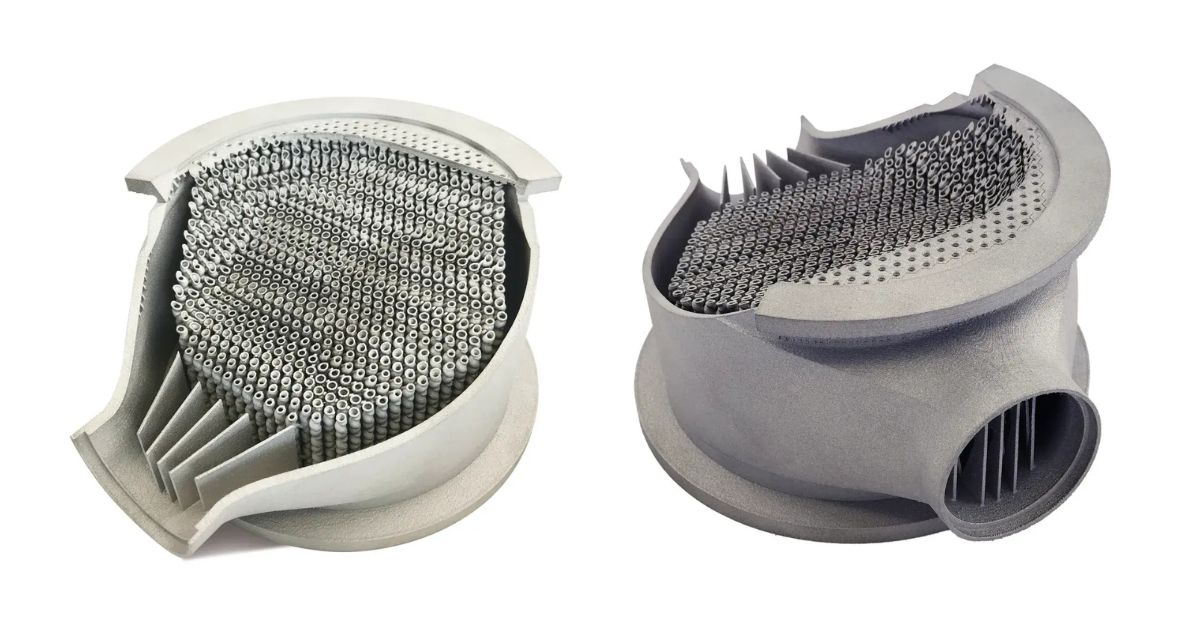
Elmet Technologies is adopting 3D Systems' DMP Flex 350 Triple metal 3D printer and C103 niobium alloy to produce heat exchangers for hypersonic vehicles, aiming for rapid qualification and production later this year.
Elmet Technologies is set to implement 3D Systems' DMP Flex 350 Triple metal 3D printing system for the manufacturing of components destined for hypersonic vehicles. This strategic move involves pairing the advanced printing technology with C103, a high-performance niobium-based alloy, to facilitate the rapid qualification and certification of the production process.
Elmet anticipates commencing production of these specialized heat exchangers later this year. The C103 material, primarily composed of niobium with additions of hafnium and titanium, is specifically engineered to withstand extreme high-temperature environments, making it suitable for demanding aerospace applications. This development is the culmination of an eight-year collaboration between Elmet Technologies and 3D Systems' Application Innovation Group (AIG).
During their partnership, AIG engineers worked closely with Elmet to develop and refine the necessary printing parameters for the C103 material. This prior research, conducted on an earlier 3D Systems metal 3D printer, is expected to significantly streamline the transition to the DMP Flex 350 Triple. Scott Ohm, R&D Manager at Elmet Technologies, expressed confidence that this existing foundation will enable a smooth initiation of production.
The DMP Flex 350 Triple features a substantial build volume of 350 x 350 x 350 mm and is equipped with three lasers. Its low-oxygen environment, maintained at less than 25 ppm, contributes to exceptional powder reuse rates, precise control over metal chemistry, and superior surface finishes, according to 3D Systems. Elmet aims to achieve qualification within a couple of months, followed by NASA 6030 certification shortly thereafter.
This collaboration highlights the increasing use of advanced metal additive manufacturing for high-temperature, high-performance aerospace components. The specific focus on hypersonic heat exchangers and the use of refractory alloys like C103 demonstrate AM's capability to produce complex geometries with superior thermal management properties, crucial for next-generation aerospace and defense systems. The rapid qualification timeline signifies maturing industrial AM processes.
Edited by the news editor with AI from the original report — please refer to the original source.