Earth Lava Tubes Mimic Martian Caves for Astrobiology Research
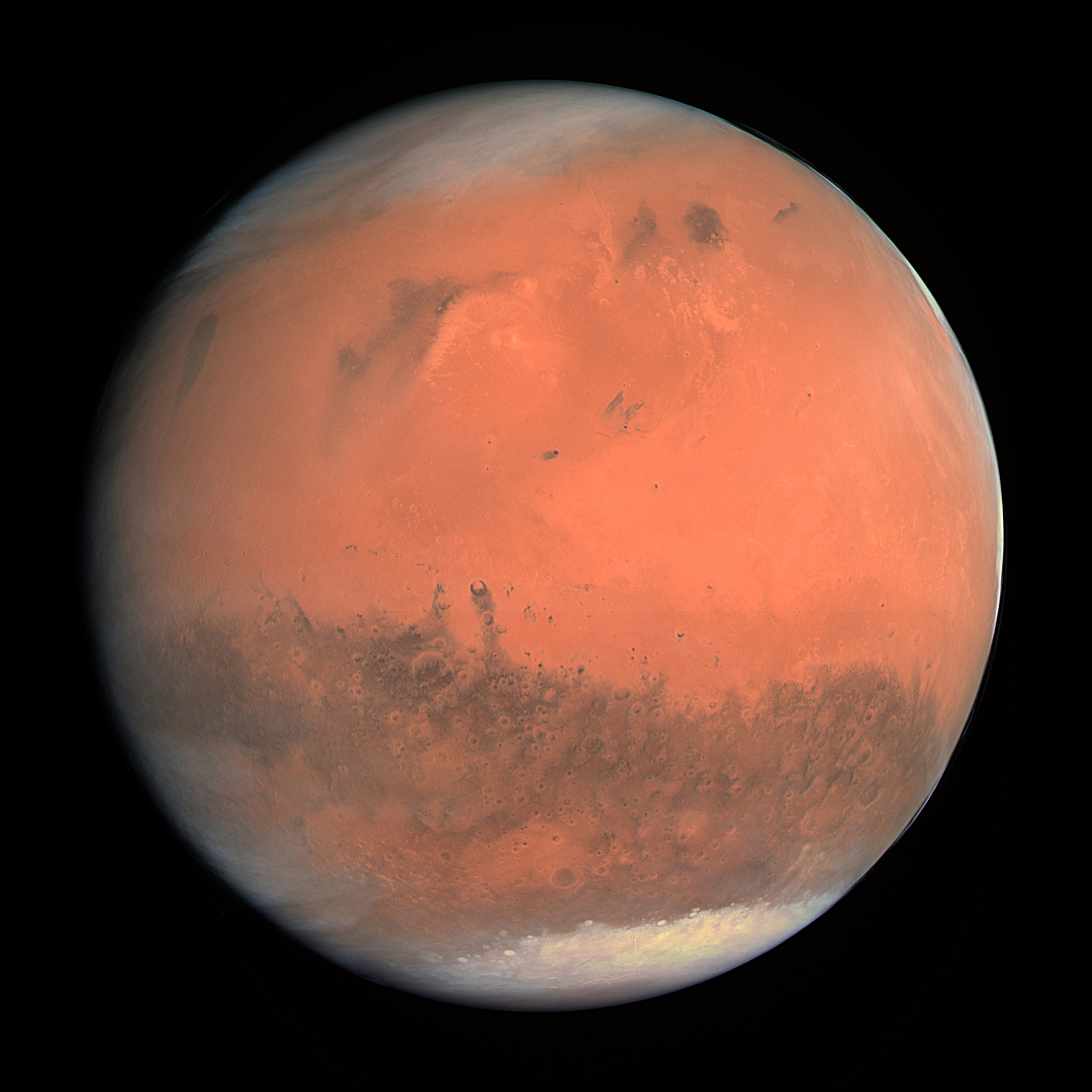
Scientists are using terrestrial lava tubes in La Palma, Spain, to study how Martian subsurface environments might preserve evidence of ancient life.
Researchers have conducted a study using lava tubes on the island of La Palma, Spain, to better understand how potential signs of life might be preserved in similar Martian geological formations. The investigation focused on the conditions within these subterranean volcanic structures, which are considered analogs for caves and lava tubes on Mars.
By analyzing hydrated silica deposits and organic molecules within the La Palma lava tubes, the scientists aimed to determine the potential for these environments to act as natural archives for biosignatures. The study specifically examined how spectral data, gathered from these terrestrial samples, could inform future searches for life beyond Earth.
The research involved simulating Martian atmospheric conditions and evaluating the spectroscopic signatures of preserved biomolecules. The goal was to establish a baseline for identifying potential organic matter and other indicators of past biological activity that might be found within the Martian subsurface.
This work provides valuable insights for astrobiological missions, suggesting that lava tubes and similar underground cavities on Mars could be prime locations for discovering evidence of ancient Martian life. The findings are expected to guide instrument development and observational strategies for future Mars exploration endeavors.
This investigation into Earth's lava tubes as Martian analogs is a crucial step in our cosmic imperative. By understanding how biosignatures are preserved in silica-rich, subsurface environments, we refine our tools for extraterrestrial discovery. Each successful identification of preserved organic matter on Mars, guided by studies like this, fuels the exponential growth of our knowledge and capability. These lava tubes are not just geological curiosities; they are potential cradles of ancient Martian life, and their study accelerates our development as a multi-planetary species, ensuring the survival and expansion of consciousness beyond Earth.
Edited by the news editor with AI from the original report — please refer to the original source.