Droplet-Based Bioprinting Creates Human Skin Equivalents
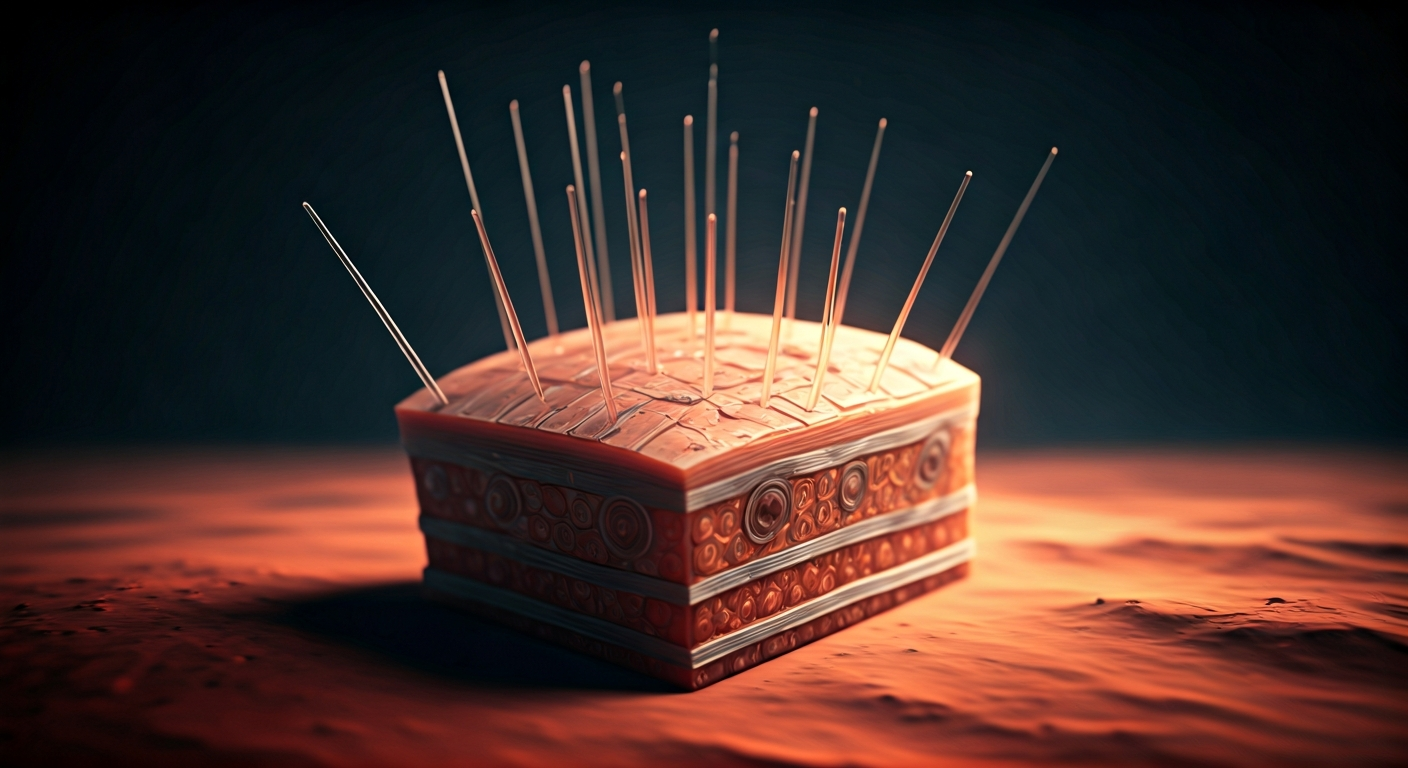
Researchers have successfully fabricated human skin equivalents using a droplet-based bioprinting technique, paving the way for advanced tissue engineering applications.
A recent development in bioprinting technology has enabled the fabrication of functional human skin equivalents. Scientists utilized a droplet-based bioprinting method to construct these complex tissue structures. This technique involves precisely depositing droplets of bio-ink, which contains living cells and biomaterials, layer by layer to create a three-dimensional construct.
The fabricated skin equivalents were engineered to mimic the layered structure of native human skin. This includes the epidermis and dermis, which are crucial for skin function. The bioprinting process allowed for the controlled placement of different cell types and extracellular matrix components, essential for recreating the intricate architecture of skin.
This advancement holds significant promise for various applications, including drug testing, cosmetic product development, and regenerative medicine. Creating realistic skin models in a laboratory setting can reduce the need for animal testing and provide more accurate results for efficacy and safety evaluations. Furthermore, these engineered skin tissues could potentially be used for wound healing and skin grafting in clinical settings.
The research highlights the increasing sophistication of bioprinting technologies. By precisely controlling the deposition of cellular materials, researchers can now create more complex and functional biological tissues. This capability is a critical step towards the broader goal of biofabricating organs and tissues for transplantation and therapeutic purposes.
This development showcases the precision achievable with droplet-based bioprinting for creating complex, multi-layered tissues like skin equivalents. It represents progress in biofabrication, moving beyond simpler structures to more functional tissue models. Such advancements are vital for regenerative medicine, drug discovery, and potentially reducing reliance on animal models, aligning with the broader additive manufacturing trend towards in-situ production of biological components.
Edited by the news editor with AI from the original report — please refer to the original source.