Defense Demand Accelerates Nikon's Large-Format Metal AM Scaling
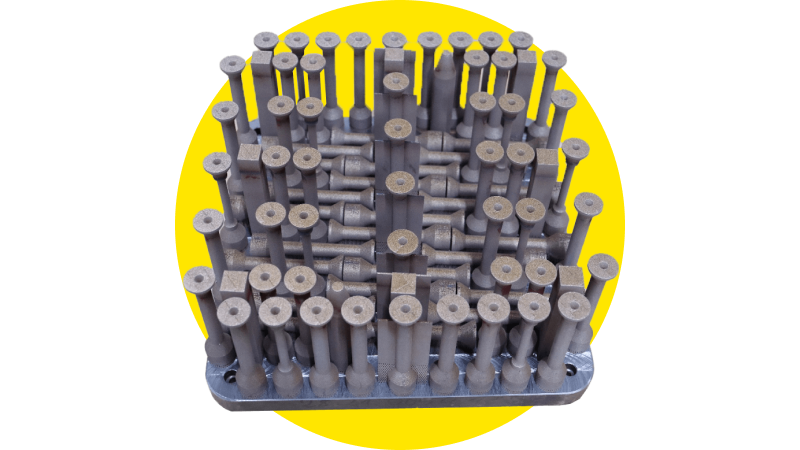
Nikon Advanced Manufacturing is seeing its large-format metal 3D printing solutions gain traction within the defense sector, driven by urgent needs to replenish munitions and enhance production capabilities.
Nikon Advanced Manufacturing CEO Hamid Zarringhalam has noted a significant shift in the additive manufacturing (AM) market, where the reality is beginning to align with earlier forecasts, particularly within the defense sector. This development is largely attributed to the product finally fitting the market's needs, a lesson amplified by current global military conflicts.
The defense industrial base, historically slow to adopt major technological changes unless compelled by external events, has been proactively adjusting its posture. The US defense industrial base, in particular, has been building AM capabilities for several years, positioning it more effectively to address current demands, which include replenishing drone components, rocket motors, and critical mineral supply chains.
Nikon Advanced Manufacturing is a key player in this landscape, producing specialized, ultra-large-format metal 3D printers designed to meet US defense industrial base requirements. Zarringhalam explained that the company's strategy, focused on large-format, high-productivity machines and a secure engineering facility for defense applications, was established before recent conflicts intensified. However, these escalating conflicts have elevated the need to scale the company's offerings.
Zarringhalam highlighted the critical need for large-format metal AM in addressing munitions shortages. He cited the example of Tomahawk missiles, where current production capacity is insufficient to meet projected demand, necessitating AM solutions beyond traditional precision casting. The ongoing conflicts underscore the unsustainable nature of relying solely on existing manufacturing methods for rapid replenishment.
This development signifies a crucial maturation point for metal AM, moving beyond niche applications to address large-scale industrial demands. The defense sector's adoption of ultra-large-format metal printing, driven by urgent production needs and supply chain vulnerabilities, validates the technology's potential for high-volume, critical component manufacturing, mirroring trends observed in aerospace and other high-stakes industries.
Edited by the news editor with AI from the original report — please refer to the original source.