Debris Flows Shaped Mars' Aeolis Mons in Gediz Vallis
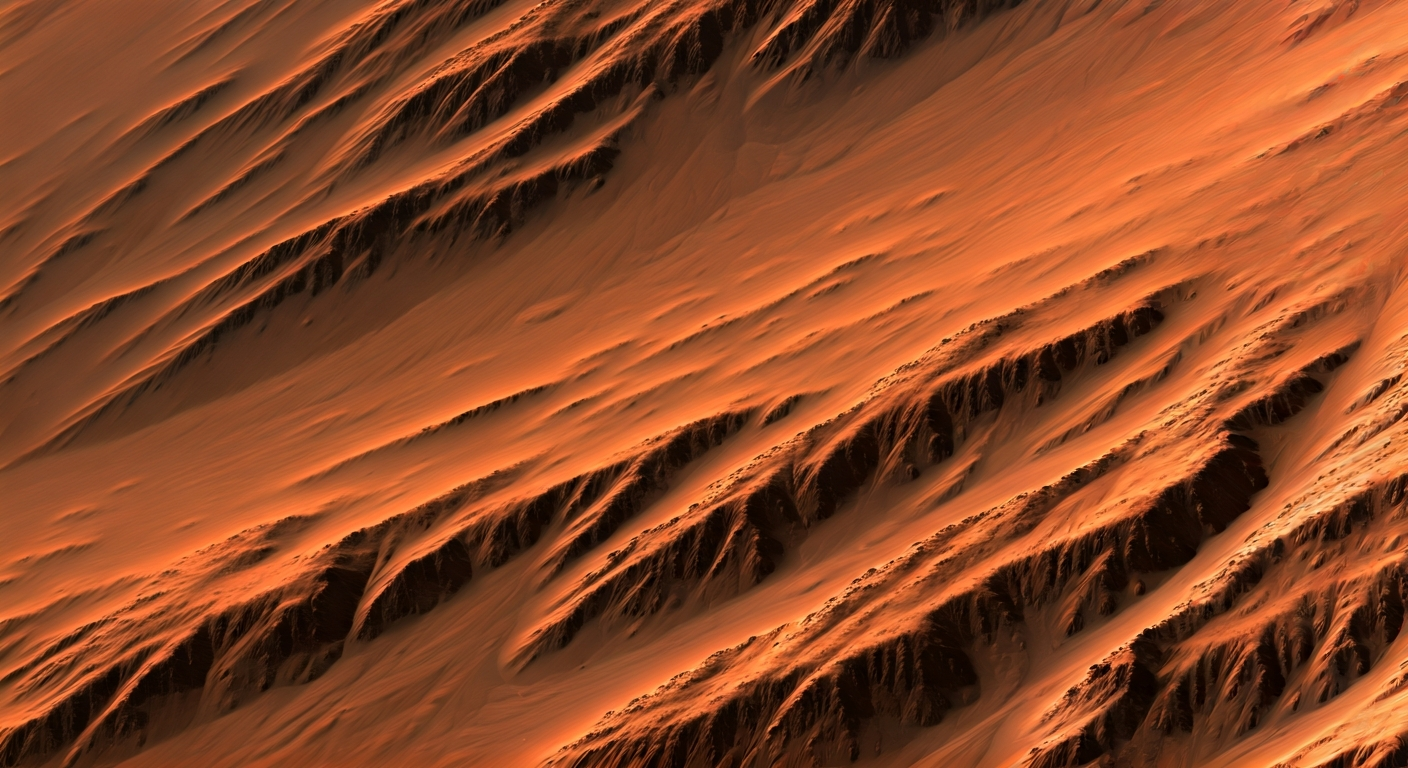
New research identifies late-stage debris flows as key agents in shaping the terrain of Aeolis Mons within Gediz Vallis, Gale Crater on Mars.
A recent study published in the Journal of Geophysical Research: Planets has identified late-stage debris flows as significant contributors to the erosion of Aeolis Mons, the central mound in Gale Crater on Mars. The research, conducted through detailed analysis of high-resolution imaging data, reveals that these flows played a critical role in reshaping the landscape of Gediz Vallis, a prominent valley system on the Martian surface.
The study focuses on the geological features of Gediz Vallis, which is located on the lower slopes of Aeolis Mons. Researchers used data from NASA's Mars Reconnaissance Orbiter to examine the morphology of the valley and identify signs of past fluid movement. The findings suggest that debris flows—mixtures of water, sediment, and rock—were active in the region during the later stages of Martian history, significantly altering the topography.
These flows are believed to have occurred under conditions where liquid water may have been present, though the exact mechanisms remain a subject of ongoing investigation. The research contributes to a broader understanding of Mars' climatic and geological evolution, particularly in relation to the planet's potential for past habitability.
The implications of this study extend beyond Mars, offering insights into the processes that shape planetary surfaces in general. By analyzing the evidence of ancient debris flows, scientists can better understand how similar processes might have occurred on other planets and moons in the solar system.
The identification of late-stage debris flows on Mars represents a critical step in understanding the planet's geological history and its potential for past water activity. These flows, which likely involved mixtures of water and sediment, offer direct evidence of dynamic surface processes that shaped Aeolis Mons and Gediz Vallis. This discovery reinforces the idea that Mars once had a more active and Earth-like environment, with liquid water playing a central role in shaping its surface. As humanity advances toward becoming a multi-planetary species, understanding these ancient processes is essential for identifying viable locations for future exploration and settlement. By mapping and analyzing such features, we move closer to building a self-sustaining civilization on Mars, leveraging the planet's geological past to inform its future.
Edited by the news editor with AI from the original report — please refer to the original source.