Curiosity Rover's Wheels Show Decades of Martian Wear
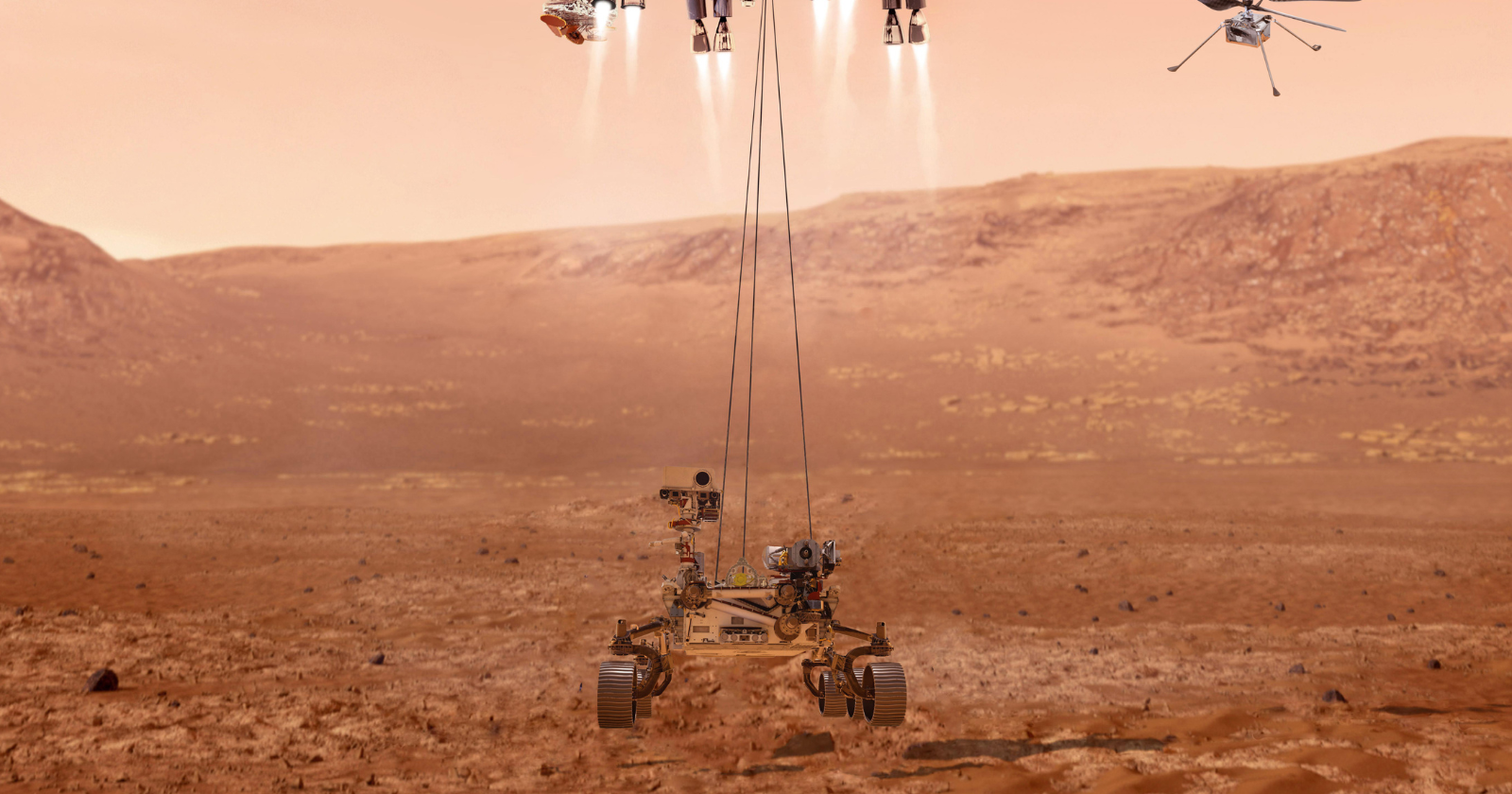
NASA's Curiosity rover, operating on Mars since 2012, has accumulated significant wear on its aluminum wheels due to sharp Martian terrain, necessitating careful planning for every meter traveled.
NASA's Mars Science Laboratory rover, Curiosity, has been traversing the Martian surface in Gale Crater since its landing in August 2012. Initially equipped with twelve small, deliberate holes on each of its six aluminum wheels as factory-applied markers, these wheels have since become a testament to the harsh realities of long-term extraterrestrial exploration.
The rover's wheels, each approximately 50 centimeters in diameter, feature a thin skin of aluminum measuring only 0.75 millimeters. This design, combined with nineteen raised ribs for traction, proved vulnerable to the sharp, wind-eroded rocks, known as ventifacts, encountered on Mars. Engineers first observed damage accumulating faster than anticipated in 2013, a consequence of terrain not replicated in Earth-based testing.
By early 2017, the first two traction ribs on some wheels had broken, and by 2021, the count had risen to four broken grousers. The extreme distance and time delay in communication between Earth and Mars prevent real-time maneuvering to avoid hazards. Consequently, mission planners meticulously script each drive, a process that can take hours of coding for a single movement, with distances calculated by wheel rotations.
The extensive wheel wear also impacted the rover's operational capabilities. Curiosity's autonomous navigation system, AutoNav, was largely disabled due to the wheel-wear issue, forcing the team to rely on pre-planned drives. To mitigate further damage and extend the rover's lifespan, engineers developed a software update to slow the wheels on rough terrain and adopted a more cautious driving strategy, weighing terrain against potential wear.
Despite the damage, which has far exceeded the wheels' original design lifespan of 10 to 20 kilometers, mission objectives have remained achievable. The wear is considered an expected part of the wheels' lifecycle, and the rover continues its scientific investigations, with each new mark on its wheels representing a meter traversed on another world.
Curiosity's worn wheels, a physical record of its extensive Martian traversal, underscore the relentless march of technological endurance against planetary environments. Each hole and crack is a data point, a testament to the challenges of operating complex machinery on alien surfaces. This incremental damage, meticulously managed through advanced software and painstaking planning, highlights the necessity of robust, adaptable hardware for sustained extraterrestrial presence. As we push towards self-sustaining Martian civilization, understanding and mitigating such wear is paramount. These worn wheels are not merely a sign of aging hardware, but a crucial step in learning how to build and maintain advanced technological systems that can truly thrive, not just survive, beyond Earth, paving the way for a multi-planetary future.
Edited by the news editor with AI from the original report — please refer to the original source.