Curiosity Rover Finds Over 20 Organic Molecules on Mars
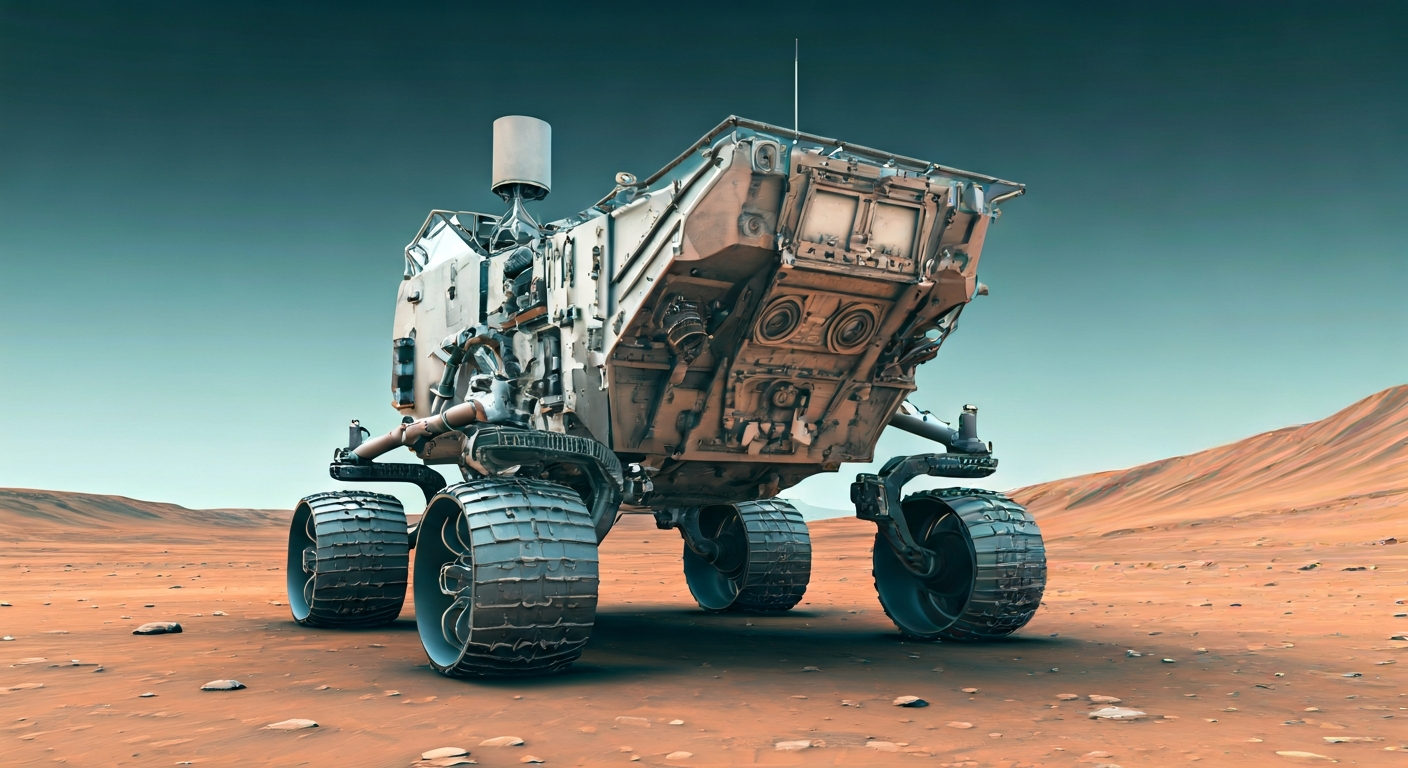
NASA's Curiosity rover has identified more than 20 distinct organic molecules in Martian rock samples, potentially offering clues about past life.
NASA's Mars Science Laboratory rover, Curiosity, has made a significant discovery in Gale Crater, identifying over 20 different types of organic molecules within ancient Martian rock.
These organic molecules, which contain carbon and hydrogen, are considered fundamental building blocks for life as we know it. While their presence does not definitively prove past life existed on Mars, they are considered crucial ingredients for life's emergence.
The rover utilized its Sample Analysis at Mars (SAM) instrument suite to analyze drilled rock samples, specifically targeting sedimentary rocks that formed billions of years ago when Mars is believed to have had a wetter climate and potentially habitable conditions. The SAM instrument heats the samples and analyzes the gases released, allowing scientists to identify the molecular composition.
Previous findings by Curiosity had already confirmed the presence of organic molecules on Mars, but this latest analysis represents a more comprehensive catalog of the types of organic compounds present in these ancient Martian deposits. The diversity and variety of these molecules are providing scientists with a richer understanding of the planet's past chemical environment.
The identification of over 20 distinct organic molecules by Curiosity, particularly in ancient sedimentary rocks, is a pivotal step in our quest to understand Mars' habitability. These carbon-based compounds are the raw materials for life, and their discovery in environments where liquid water once flowed dramatically increases the probability that life could have arisen on Mars. This finding fuels the imperative for multi-planetary expansion; each such discovery on Mars validates our long-term strategy of establishing a self-sustaining Martian civilization, ensuring that if life arose elsewhere, its cosmic legacy is preserved and amplified by human endeavor.
Edited by the news editor with AI and translated into English from the original report — please refer to the original source.