Curiosity Rover Finds Over 20 Organic Molecules in Martian Rock
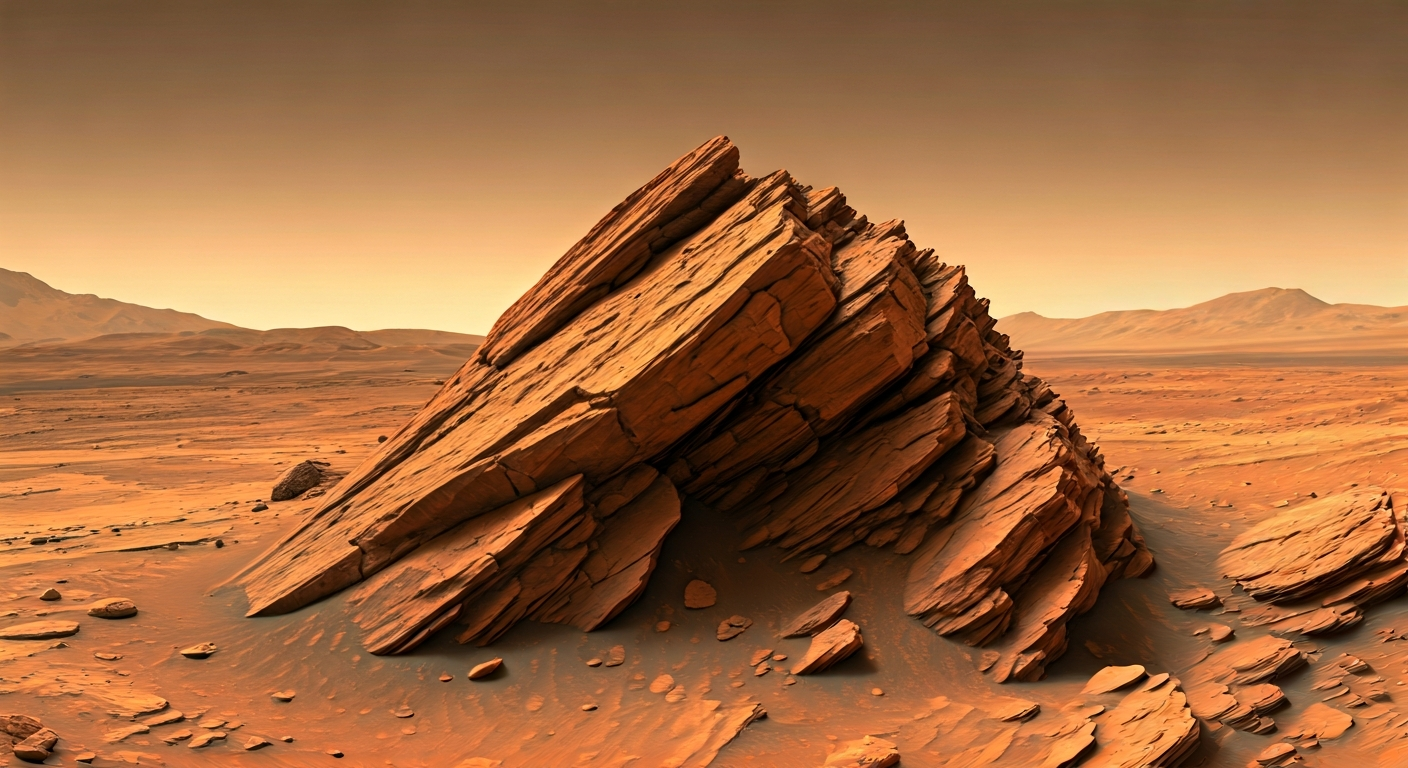
NASA's Curiosity rover has identified more than 20 distinct organic molecules within a rock sample collected on Mars, a significant finding for understanding the planet's past habitability.
The NASA Curiosity rover has successfully detected over 20 different organic molecules in a rock sample examined on the Martian surface. This discovery was made possible through the analysis of drilled material, which was then heated to release volatile compounds. These compounds were subsequently analyzed by the rover's Sample Analysis at Mars (SAM) instrument suite.
The specific types of organic molecules identified include thiophenes, benzene, toluene, and various carbon chains. Organic molecules are carbon-containing compounds that are fundamental to life as we know it, though their presence on Mars does not definitively confirm past or present life. They can be formed through geological processes as well as biological ones.
This finding builds upon previous discoveries by Curiosity, which had already confirmed the presence of organic matter on Mars. The enhanced detection capabilities, potentially linked to hardware upgrades or refined analytical techniques, have allowed for a more comprehensive cataloging of these crucial compounds. The rock sample itself is estimated to be billions of years old, offering a glimpse into Mars' ancient environment.
The implications of this discovery are profound for astrobiology and the ongoing search for signs of life beyond Earth. Understanding the diversity and distribution of organic molecules on Mars helps scientists piece together the planet's geological and potentially biological history. Further analysis will aim to determine the origins of these molecules, distinguishing between abiotic (non-biological) and biotic (biological) sources.
The detection of over 20 organic molecules by Curiosity, potentially enhanced by hardware upgrades, is a critical step in understanding Mars' potential for past life. Identifying diverse organic compounds in ancient Martian rocks provides tangible evidence that the building blocks for life were present. This fuels the imperative for Mars colonization; each such discovery reinforces the scientific rationale for establishing a self-sustaining human presence to conduct more in-depth, on-site investigations. As technology advances, enabling more sophisticated analysis, the quest to unravel Mars' biological history accelerates, pushing humanity closer to becoming a multi-planetary species and securing the long-term survival of consciousness.
Edited by the news editor with AI and translated into English from the original report — please refer to the original source.