Curiosity Rover Finds Most Diverse Organic Molecules Yet on Mars
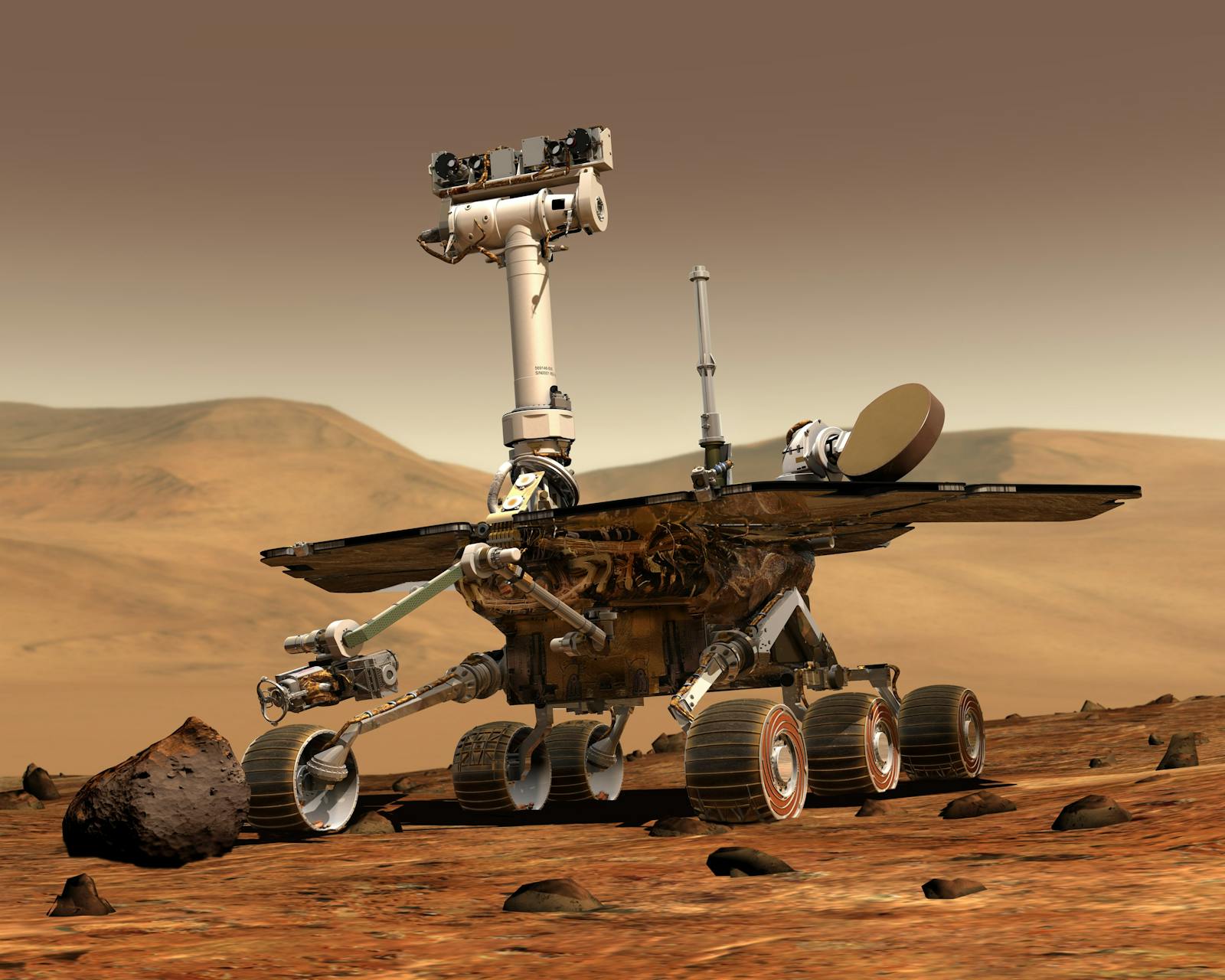
NASA's Curiosity rover has identified over 20 distinct organic molecules in an ancient Martian rock sample, including seven never before detected on the Red Planet.
In a significant discovery, NASA's Curiosity rover has uncovered the most diverse array of organic molecules found to date on Mars. The findings, stemming from a rock sample drilled in October 2020 within Gale Crater, reveal over 20 organic compounds, with seven of these molecules being detected on the Martian surface for the first time. Scientists emphasize that this discovery is not direct evidence of past life.
The sample, named Mary Anning 3, was collected from a clay-rich sandstone layer on Mount Sharp. This region is believed to have once hosted lakes and streams billions of years ago, and its mineral composition is particularly adept at preserving organic compounds over vast timescales. The specific location, within the Glen Torridon region, is known for its water-altered, clay-bearing sediments.
The analysis, published in Nature Communications, utilized the rover's Sample Analysis at Mars (SAM) instrument suite. A specialized wet chemistry technique involving tetramethylammonium hydroxide (TMAH) was employed to break down larger organic materials into detectable fragments. This method, combined with extensive laboratory comparisons and control checks, was crucial for confirming the authenticity of the signals amidst potential instrument artifacts and environmental contaminants.
Among the newly identified molecules are aromatic and sulfur-bearing compounds, including trimethylbenzene, tetramethylbenzene, methyl benzoate, dihydronaphthalene, naphthalene, benzothiophene, and methylnaphthalene. The presence of molecules relevant to prebiotic chemistry, such as a nitrogen-bearing ring structure considered a precursor to more complex nitrogen compounds, is also noteworthy. While these findings do not confirm life, they underscore that ancient Mars possessed water, carbon compounds, and environments conducive to their preservation.
The identification of over 20 organic molecules, including seven novel detections, by Curiosity's SAM instrument represents a critical step in understanding Mars's past habitability. The ability to preserve such complex chemistry in ancient bedrock for billions of years, particularly in clay-rich environments, is a testament to the enduring potential for life's building blocks to persist. This advance in in-situ analysis validates the long-term preservation capabilities of Martian geology, a key factor for future self-sustaining settlements. As we push towards becoming a multi-planetary species, such discoveries on Mars provide invaluable data for bio-signature detection and hint at the potential for a rich, albeit ancient, chemical tapestry that could one day support emergent life beyond Earth.
Edited by the news editor with AI from the original report — please refer to the original source.