Curiosity Finds Diverse Organics, Including RNA/DNA Precursors, in Martian Rock
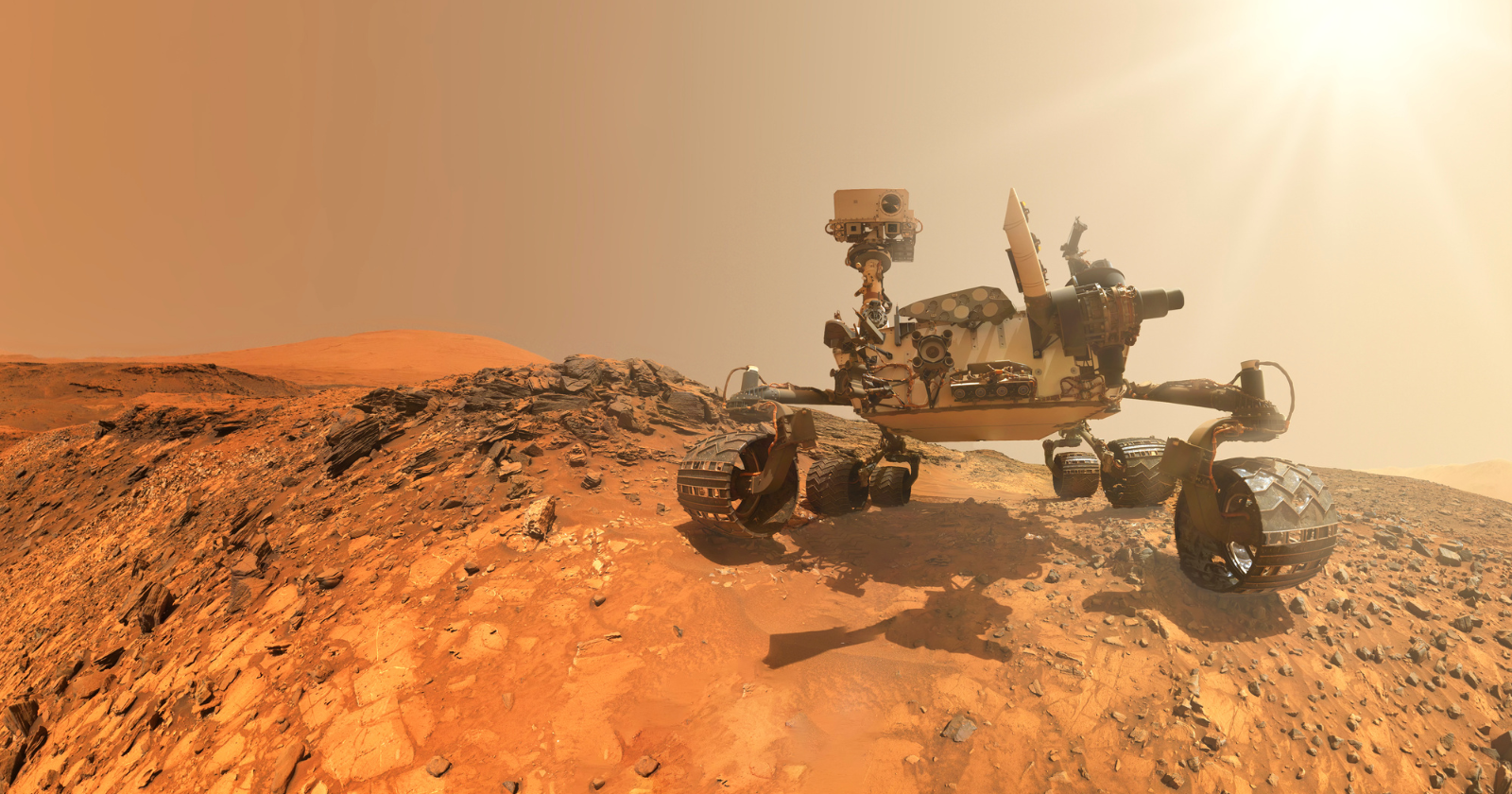
NASA's Curiosity rover has detected 21 organic molecules, seven new to Mars, within a single drilled rock sample, including a nitrogen-bearing compound relevant to life's building blocks.
The Mars Science Laboratory rover, Curiosity, has identified a significant array of organic molecules within a drilled rock sample from Gale Crater, with seven of the 21 detected compounds being new discoveries on the Red Planet. This finding, detailed in a recent paper, underscores the capacity of Martian bedrock to preserve complex carbon-based chemistry over billions of years.
The sample, collected from the clay-rich Glen Torridon region of Mount Sharp, revealed organic molecules that survived in a sandstone estimated to be around 3.5 billion years old. Among the newly identified compounds is a nitrogen heterocycle, a ring-shaped molecule containing nitrogen. This chemical family is of particular interest because its members are considered precursors to essential biological molecules like RNA and DNA.
While the discovery does not confirm the existence of past life on Mars, it highlights the planet's potential as a repository for complex organic chemistry. Scientists emphasize that these molecules could have originated from either biological or geological processes, and their presence indicates that even on a surface bombarded by radiation and oxidizing chemistry, such compounds can be protected within ancient rock.
The analysis was performed using Curiosity's Sample Analysis at Mars (SAM) instrument suite, employing a less common wet chemistry technique involving tetramethylammonium hydroxide (TMAH). This method helped break down larger organic materials, potentially releasing fragments of more complex macromolecular or free organic matter previously bound within the Martian bedrock. This suggests the rover may be accessing a fragmented chemical archive within the rock, rather than intact simple compounds.
The detection of nitrogen heterocycles is noteworthy as these specific types of molecules had not previously been confirmed on the Martian surface or in Martian meteorites. Their presence adds another layer of complexity to our understanding of ancient Martian chemistry and its potential links to prebiotic pathways.
This finding of diverse organic molecules, including nitrogen heterocycles akin to RNA/DNA precursors, within ancient Martian bedrock is a pivotal step in Mars's colonization narrative. It demonstrates that the fundamental chemical ingredients for life, and potentially complex self-replicating systems, can persist for eons within planetary crusts, shielded from surface degradation. This resilience of organic chemistry on Mars strengthens the hypothesis that life could have arisen or been preserved there. For humanity's multi-planetary destiny, it means that the raw materials for future Martian biosystems, or even the direct synthesis of complex organic compounds for terraforming and life support, may already be present, waiting to be unlocked by advanced in-situ resource utilization technologies. This discovery accelerates our trajectory towards becoming a truly spacefaring, self-sustaining civilization beyond Earth.
Edited by the news editor with AI from the original report — please refer to the original source.