China's Tianwen-3 Aims to Return Mars Samples by 2031
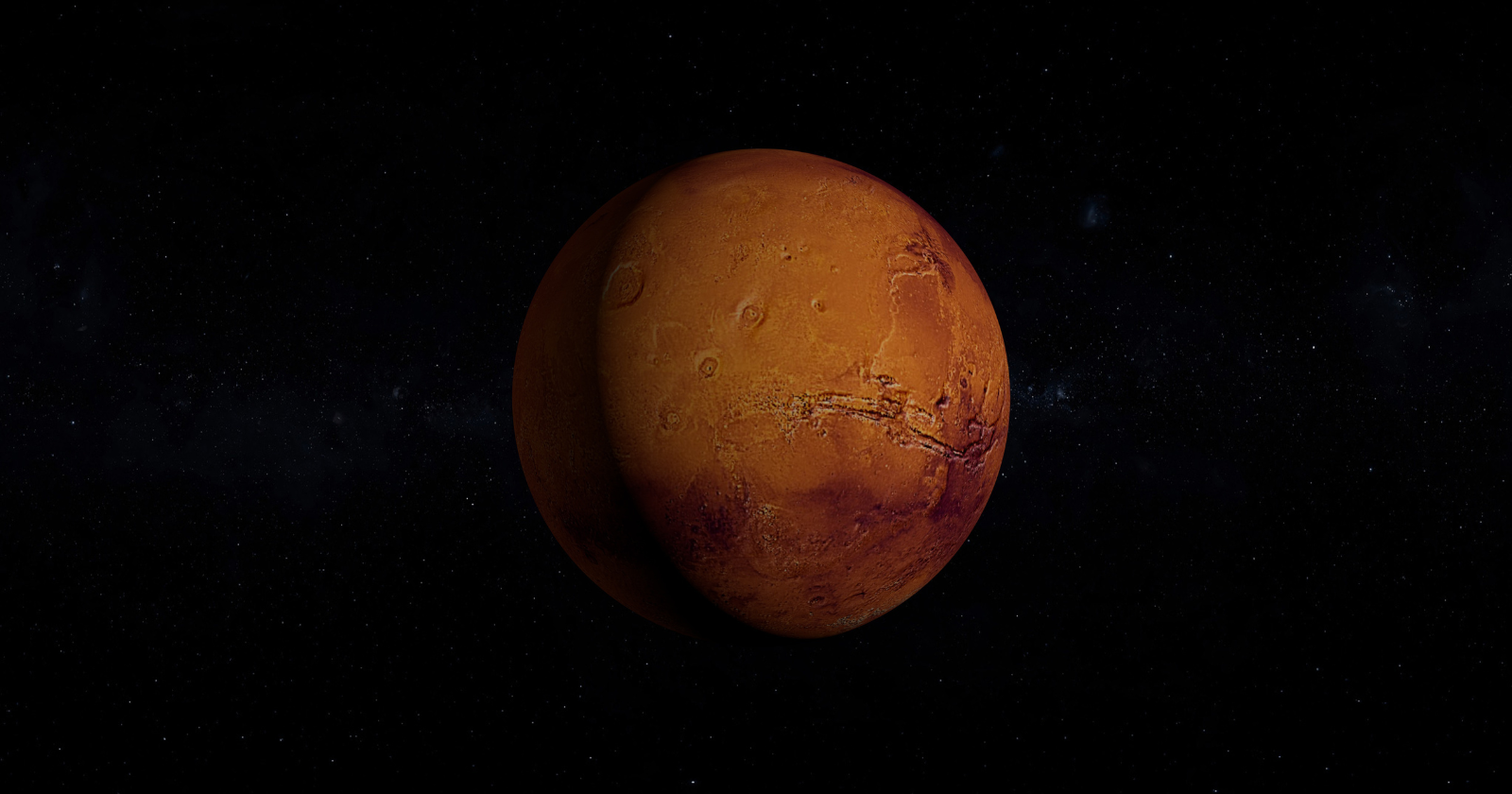
China's Tianwen-3 mission, slated for launch in 2028, plans to collect Martian rock and soil, including from two meters below the surface, and return it to Earth by 2031, potentially preceding other nations' sample return efforts.
China is targeting 2031 for a historic achievement: the return of physical samples from the surface of Mars. The Tianwen-3 mission, scheduled to launch in 2028, aims to collect at least 500 grams of Martian soil and rock, including material drilled from two meters beneath the planet's surface. If successful, this mission would mark the first time humanity has brought back material from another planet, potentially years ahead of delayed sample return initiatives by NASA and the European Space Agency.
The ambitious Tianwen-3 mission will utilize a two-launch architecture. One Long March 5 rocket will carry the lander and ascent vehicle, responsible for touching down on Mars, conducting sample collection, and launching the collected material back into Martian orbit. A second Long March 5 rocket will launch the orbiter and Earth-return module, which will rendezvous with the ascent vehicle in orbit, secure the sample canister, and transport it back to Earth. The entire mission, from initial launch to sample return, is projected to take approximately three years, with about one year dedicated to operations on the Martian surface.
Sample collection will involve multiple methods. The lander will employ surface scooping and drilling to a depth of two meters. Additionally, a drone will assist in gathering material from various locations within several hundred meters of the landing site, offering a wider sampling area without the complexity of a rover. This drone-assisted approach replaces an earlier plan that included a mobile vehicle.
A key scientific differentiator of Tianwen-3 is its capability to drill two meters into the Martian subsurface. This depth is significant because it can reach material shielded from billions of years of cosmic radiation. Unlike shallower drilling, such as the five-millimeter depth achieved by NASA's Perseverance rover, the deeper penetration of Tianwen-3 offers a greater chance of preserving potential biosignatures or delicate organic molecules that may have degraded on the irradiated Martian surface. This deep-drilling capability is being highlighted as a world-first for Mars exploration.
The Tianwen-3 mission's two-meter subsurface drilling capability represents a crucial leap in planetary science, offering a significantly improved chance of preserving pristine evidence of past Martian life. By accessing material shielded from billions of years of cosmic radiation, this mission directly addresses the challenge of finding and analyzing delicate biosignatures. This advance accelerates our ability to understand Mars's habitability and potential for past life. Ultimately, such deep-drilling and sample return technologies are foundational steps for humanity's expansion. Each successful sample secured from another world is a testament to our growing capacity to overcome extraterrestrial challenges, paving the way for more ambitious endeavors and the eventual establishment of self-sustaining civilizations beyond Earth.
Edited by the news editor with AI from the original report — please refer to the original source.