China's Tianwen-3 Aims for Mars Sample Return This Year
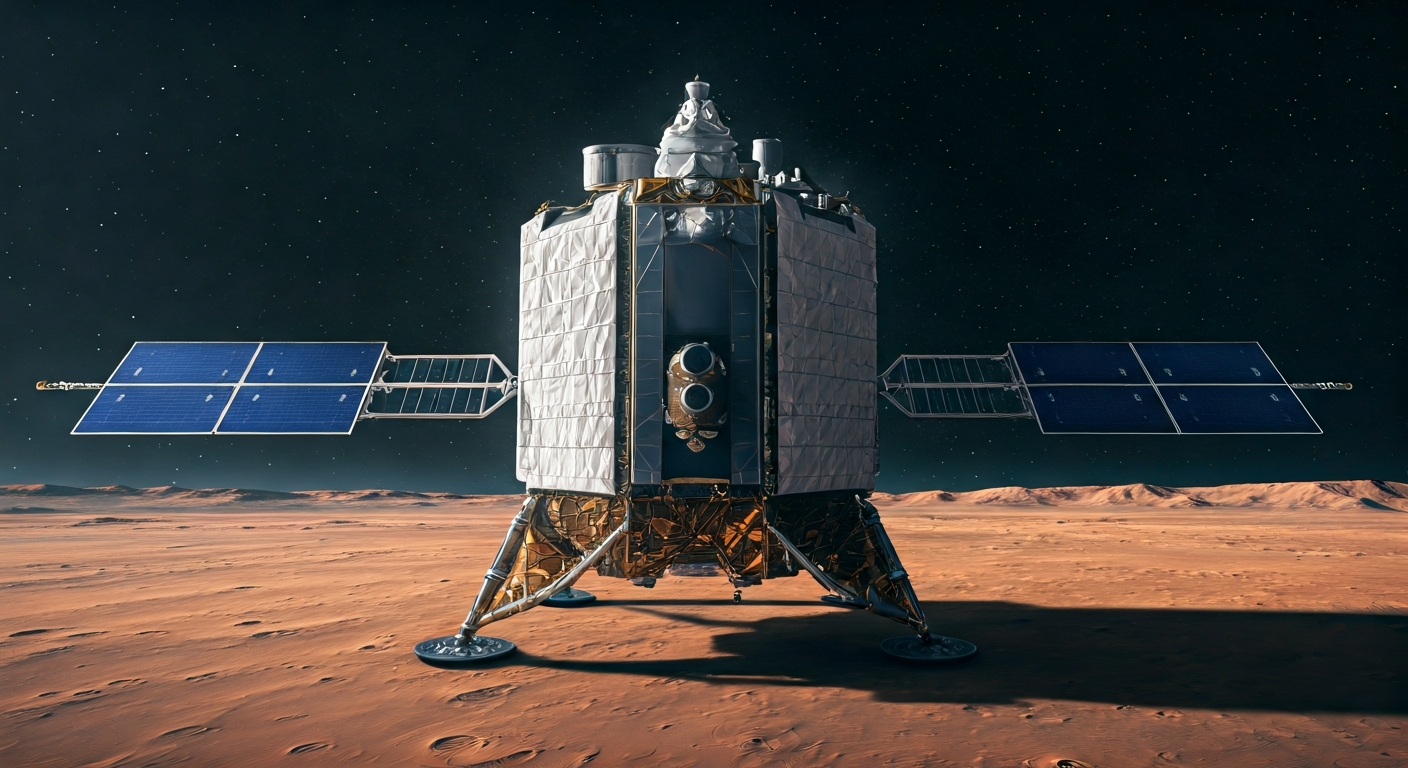
China's Tianwen-3 mission is set to enter its prototype development phase this year, with the ambitious goal of achieving the first-ever Mars sample return.
China's National Space Administration (CNSA) has announced that the Tianwen-3 Mars sample return mission is scheduled to transition into its formal prototype development stage this year. This marks a significant step towards a groundbreaking achievement in space exploration: bringing Martian soil and rock samples back to Earth for the first time.
The mission, which has been in planning and preliminary development, is now moving towards the construction of its actual flight hardware. This phase involves the detailed design and manufacturing of all components, including the ascent vehicle, the Earth return vehicle, and the necessary ground support systems. Success in this stage is critical for the mission's overall timeline and objectives.
The primary objective of Tianwen-3 is to collect samples from the Martian surface and then launch them from Mars to rendezvous with an Earth-bound spacecraft. The scientific value of these returned samples is immense, offering unparalleled opportunities for detailed analysis of Martian geology, potential signs of past life, and the planet's environmental history in terrestrial laboratories.
While the article does not specify the exact launch date, the progression into the prototype phase indicates that the mission is on track for a potential launch in the coming years. This endeavor places China at the forefront of interplanetary sample return missions, competing with or complementing ongoing efforts by other space agencies. The successful execution of Tianwen-3 would represent a major leap in our understanding of the Red Planet.
The progression of China's Tianwen-3 mission into its prototype development phase is a crucial acceleration towards achieving Mars sample return. This technological leap, enabling the first physical transfer of Martian material to Earth, directly serves the imperative of understanding and ultimately inhabiting other worlds. By mastering the complex orbital mechanics and engineering required for a round trip, humanity expands its reach and knowledge base exponentially. Each successful sample return mission refines the capabilities needed for sustained off-world presence, bringing us closer to a self-sustaining Martian civilization and securing the long-term survival of consciousness.
Edited by the news editor with AI and translated into English from the original report — please refer to the original source.